 Go Back


How 24/7 Stock Trading Transforms Market Dynamics for Investors
As the financial landscape continues to evolve, the introduction of round-the-clock stock trading marks a significant shift in how market participants engage with their investments. Investors are poised to benefit significantly from this change, while traditional intermediaries may find their influence diminishing.
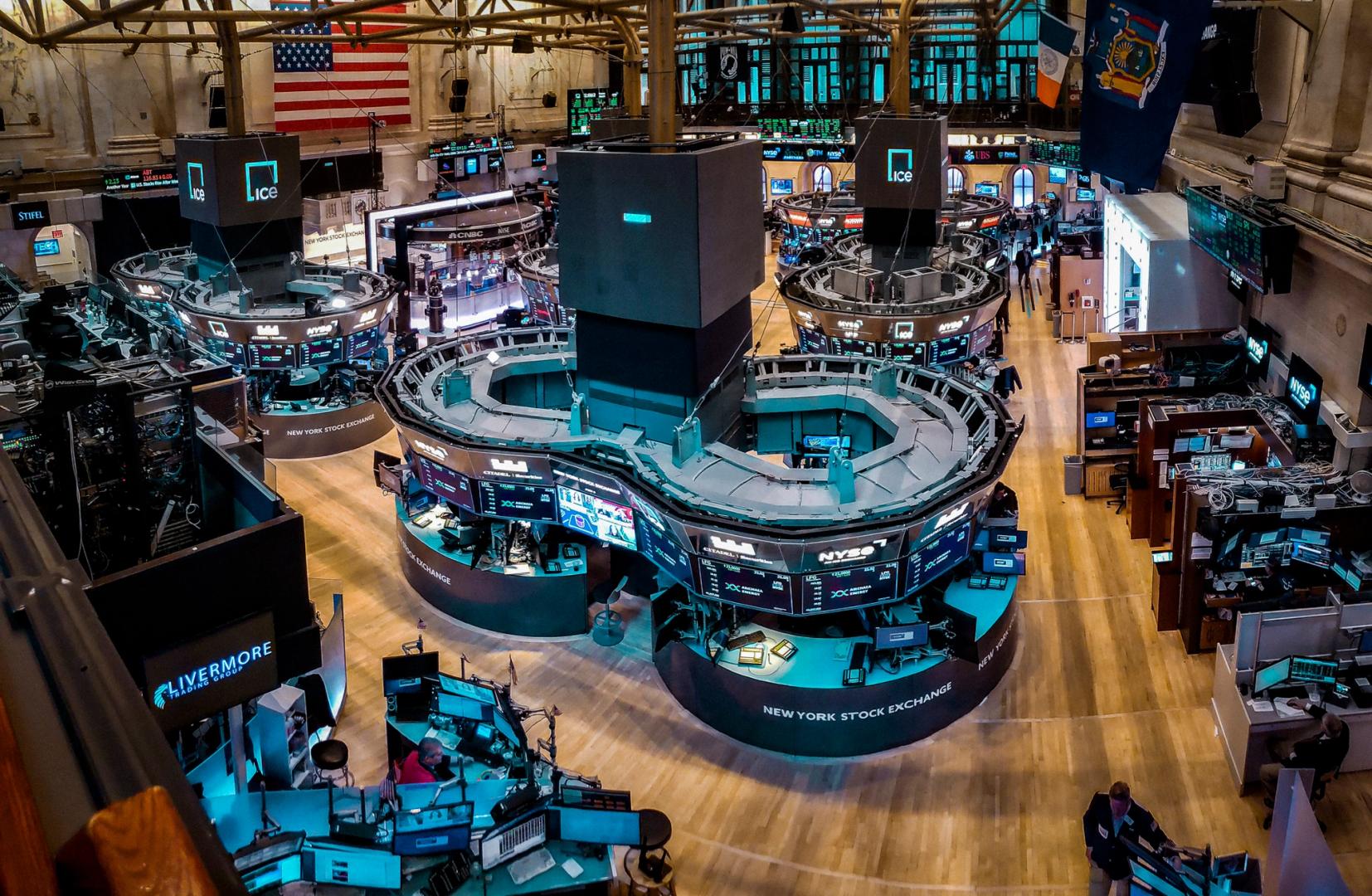
Quick Take
| Aspect | Impact on Investors | Impact on Intermediaries |
|---|---|---|
| Trading Hours | Continuous access to markets | Reduced control over pricing |
| Price Manipulation | Lower risk of after-hours manipulation | Increased scrutiny and competition |
| Market Efficiency | Enhanced liquidity and price discovery | Pressure to innovate and adapt |
| Investor Empowerment | Greater autonomy and decision-making | Potential loss of revenue streams |
Historical Context
The concept of after-hours trading has been around for years but was often limited in scope and plagued by issues of price manipulation. Traditional exchanges typically closed after regular trading hours, leaving a gap where investors could only place orders but not execute them at market prices. This not only restricted trading opportunities but also exposed investors to risks associated with delayed information and market inefficiencies.
The rise of technology and online trading platforms has changed this dynamic. Currently, with the introduction of 24/7 stock trading, investors can react to global events in real-time, minimizing the risks associated with after-hours market conditions. The shift toward continuous trading is not just a convenience—it represents a fundamental rethinking of how financial markets operate in the digital age.
Market Context
The global macroeconomic environment is increasingly interconnected, and many events affecting stock prices occur outside traditional trading hours. Major announcements from central banks, geopolitical tensions, and economic reports can significantly influence market sentiment. With 24/7 trading, investors are now able to respond to these developments as they unfold, potentially leading to more informed trading decisions.
Moreover, this shift aligns with the broader trend of financial democratization, wherein individual investors are gaining more power in the markets traditionally dominated by institutional players. The elimination of intermediaries during off-hours trading could result in lower costs and increased market access for retail investors.
Impact on Investors
The implications of round-the-clock trading are profound for investors. Here are several key benefits:
- Increased Liquidity: With markets open 24/7, liquidity is likely to improve, allowing investors to enter and exit positions with greater ease. This can lead to tighter bid-ask spreads and more favorable pricing.
- Reduction in Price Manipulation: Traditional after-hours trading has been criticized for its susceptibility to price manipulation. Continuous trading mitigates this risk, creating a more transparent pricing mechanism as trades occur in real-time based on current market conditions.
- Better Price Discovery: Continuous trading enhances the price discovery process, enabling more accurate pricing of assets based on real-time supply and demand dynamics. This is particularly important for assets affected by news or events occurring outside of traditional trading hours.
- Empowerment of Individual Investors: The democratization of trading means that individual investors now possess greater control over their investment decisions, allowing them to respond immediately to market news and trends without waiting for the market to reopen.
Impact on Intermediaries
While the benefits for investors are evident, traditional intermediaries such as brokerage firms and market makers may face challenges in this new environment:
- Loss of Power: The reduced control during off-hours may diminish the influence of these intermediaries, requiring them to adapt their business models to remain relevant in the trading landscape.
- Increased Competition: As more platforms adopt 24/7 trading, competition will intensify, forcing intermediaries to innovate and provide better services to attract and retain clients.
- Need for Technological Advancements: Intermediaries will need to invest in technology that can support continuous trading and ensure high-speed execution while managing risks effectively.
Conclusion
The transition to 24/7 stock trading is not merely a logistical change; it signifies a deeper evolution in the financial markets that empowers individual traders and challenges traditional intermediaries. As investors embrace this newfound flexibility, they are likely to redefine their trading strategies, while intermediaries must adapt to this new reality or risk obsolescence.
In the face of these changes, market participants must remain vigilant and informed, ready to navigate the evolving landscape of stock trading in a world where the markets never close.