 Go Back

A16z Advocates for Prediction Markets Amid State Bans
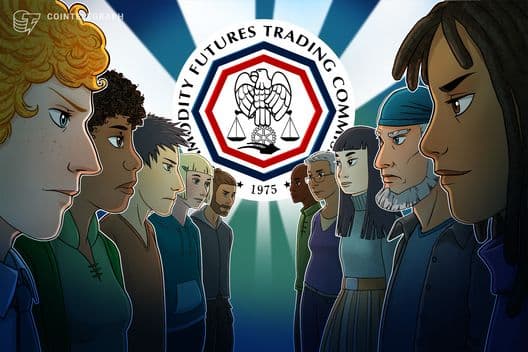
The ongoing battle between state regulations and federal oversight in the United States has taken a new turn with the venture capital firm a16z siding with the Commodity Futures Trading Commission (CFTC) against states aiming to ban prediction markets. This conflict not only raises questions about the regulatory landscape for digital assets but also highlights the importance of innovation in financial markets—particularly prediction markets that offer unique avenues for investment and information dissemination.

Quick Take
| Aspect | Details |
|---|---|
| Key Players | a16z, CFTC, Kalshi, Polymarket |
| Core Argument | State bans limit market access for ordinary users and conflict with federal law |
| Implications | Potential reshaping of the regulatory landscape for prediction markets |
| Market Impact | Increased accessibility could lead to higher participation in prediction markets |
Market Context
Prediction markets have emerged as innovative platforms that allow users to wager on future events, ranging from sports outcomes to political elections. Companies like Kalshi and Polymarket have fostered environments where users can engage in trading predictions much like they would in traditional financial markets. However, recent actions by state officials to ban these markets signify a broader concern regarding the regulatory framework governing digital assets.
A16z's support for the CFTC in this matter is indicative of a larger trend where venture capital firms are increasingly taking an interest in regulatory clarity and market freedom. By positioning itself against state restrictions, a16z is advocating for a unified regulatory approach that favors market accessibility and innovation.
Historical Context
The conflict surrounding prediction markets isn't new. Historically, these markets have faced scrutiny due to their potential for manipulation and ethical considerations. The emergence of blockchain technology, however, has added a layer of transparency that could mitigate some of these concerns. In 2018, the CFTC approved the first regulated prediction market, signaling a shift towards acceptance of these platforms under federal oversight.
States, however, have often been at odds with federal entities, viewing prediction markets as a threat to state-controlled gambling industries. This tension underscores the critical need for comprehensive regulations that address both innovation and consumer protection.
Impact on Investors
For everyday investors, the implications of a16z's advocacy are profound. If federal law prevails over state bans, access to prediction markets could expand significantly. This would not only democratize access to unique investment opportunities but also empower users to leverage these markets for hedging risks and gathering insights.
Investors who are keen to navigate the evolving landscape should consider the following:
- Increased Participation: A ruling in favor of prediction markets could lead to a surge in user engagement, enhancing liquidity and market depth.
- Diverse Investment Strategies: With more predictive data available, investors can utilize these markets to inform their strategies in other asset classes.
- Regulatory Landscape Awareness: Keeping abreast of regulatory developments will be crucial for investors who wish to capitalize on these emerging platforms.
Future Predictions
Looking ahead, the ongoing discourse between a16z, the CFTC, and state regulators could lead to a watershed moment for prediction markets. Should a unified regulatory framework emerge, it could pave the way for:
- Standardization of Regulations: A clear set of rules governing prediction markets would likely encourage more startups to enter the space.
- Global Influence: A successful model in the U.S. could inspire other countries to adopt similar approaches, further legitimizing prediction markets worldwide.
- Technological Integration: The integration of AI and machine learning in prediction market platforms could enhance predictive accuracy, appealing to a broader range of investors.
In summary, the clash between state laws and federal authority, as highlighted by a16z's recent position, may shape the future of prediction markets dramatically. As investors, understanding these dynamics will be essential in navigating a landscape that continues to evolve under the pressures of innovation, regulation, and market demand. The outcome of this regulatory battle could either bolster or hinder the growth trajectory of these intriguing financial instruments.