 Go Back


Quick Take
| Aspect | Description |
|---|---|
| Key Players | PayPal, Google Cloud |
| Essential Needs | Open payment protocols, machine-readable catalogs, multi-party custody |
| Future Vision | Scalable agentic commerce leveraging crypto |
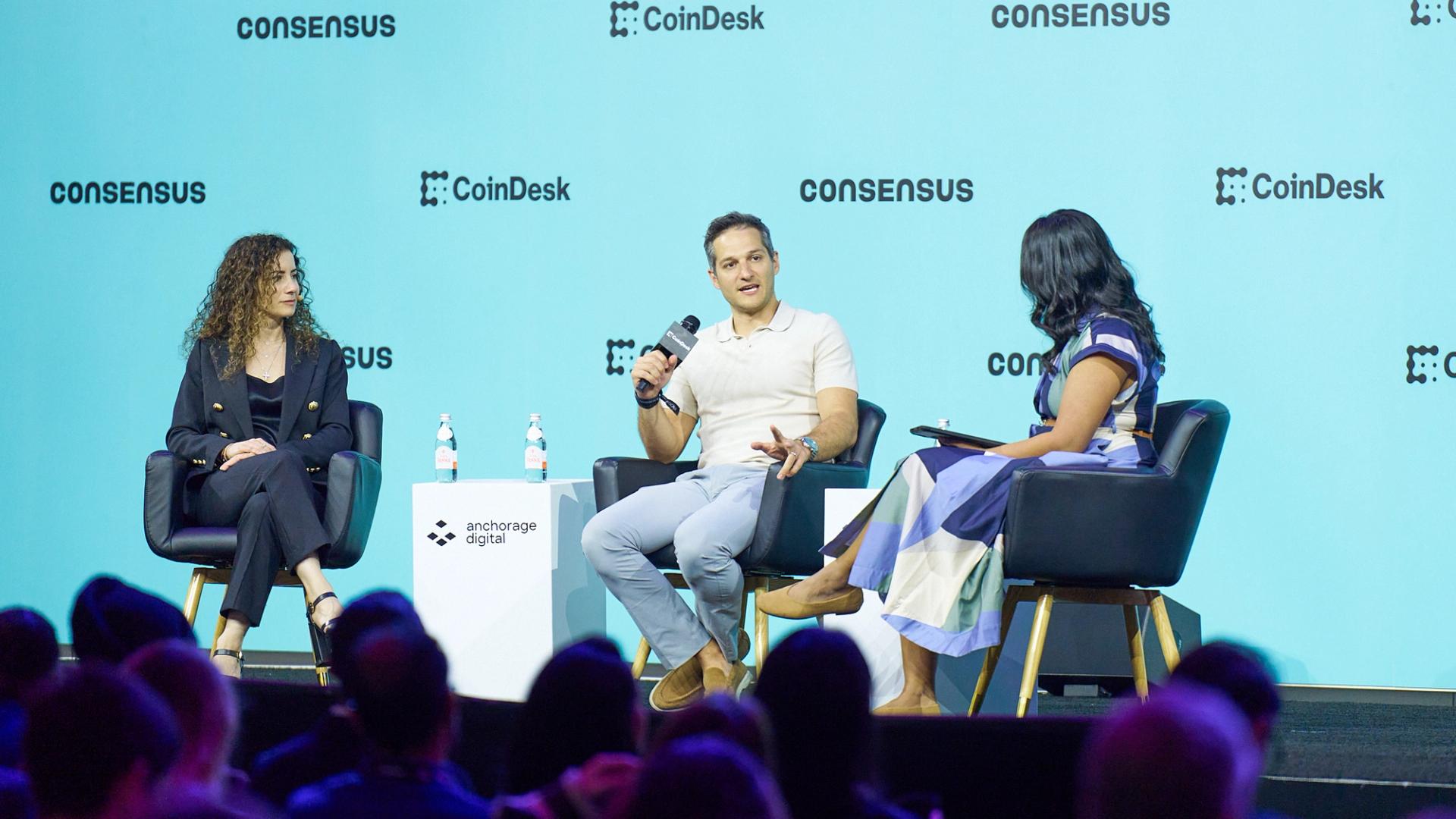
In an evolving digital economy, senior representatives from PayPal and Google Cloud have articulated a forward-looking vision for commerce that is intricately linked to cryptocurrency. During their recent participation at the Consensus Miami event, they highlighted the necessity of open payment protocols, machine-readable merchant catalogs, and multi-party crypto custody as foundational elements for the scalability of agentic commerce. This post explores the implications of these insights within the context of global macroeconomics, with a focus on their potential impact on investors and the broader marketplace.
Understanding Agentic Commerce
The term 'agentic commerce' refers to a transformative phase in the retail and service industries, where transactions are facilitated through automated, intelligent agents that operate on the blockchain. This paradigm shift could unlock a new realm of possibilities for businesses and consumers alike, allowing for seamless and efficient transactions.
The Good: Benefits of Crypto in Commerce
- Enhanced Security: The introduction of multi-party custody ensures that assets are secured across different parties, reducing the risk of fraud and cyberattacks.
- Efficiency and Speed: Open payment protocols can expedite transactions, making them faster and more efficient than traditional banking systems.
- Increased Access: By utilizing machine-readable merchant catalogs, a broader range of consumers can access goods and services, especially in underserved regions.
- Cost-Effectiveness: Lower transaction fees associated with cryptocurrency can benefit both businesses and consumers, leading to more competitive pricing.
The Bad: Challenges Ahead
- Regulatory Uncertainty: As cryptocurrency continues to gain traction, regulatory frameworks around the world struggle to keep pace, leading to unpredictability for businesses.
- Technical Barriers: The transition to a crypto-centric commerce model requires significant technical investment and expertise, which may be a barrier for smaller businesses.
- Market Volatility: Cryptocurrency's inherent volatility poses a risk for businesses that may not be prepared to handle rapid fluctuations in value.
- Consumer Trust Issues: Many consumers remain skeptical about using cryptocurrencies for everyday transactions, necessitating efforts to build trust and educate the public.
The Ugly: Potential Pitfalls
- Cybersecurity Risks: As more businesses adopt cryptocurrencies, the potential for cyberattacks increases, threatening consumer data and corporate assets.
- Lost Transactions: Mistakes made in crypto transactions, such as sending funds to the wrong wallet, can lead to irreversible losses.
- Economic Disparities: While crypto can democratize access to commerce, the digital divide remains a significant challenge, where those without the necessary technology or internet access are left behind.
- Over-Dependence on Technology: Relying heavily on automated agents may lead to systemic risks, particularly if there are technological failures or lapses in service.
Market Context
Understanding the broader economic landscape is vital for contextualizing these developments. The global economy has been in a state of flux, influenced by various macroeconomic factors including inflation, interest rates, and shifts in consumer behavior. As more businesses explore the integration of crypto into their payment systems, this could signify a shift in the economic paradigm, where digital currencies begin to play an essential role in everyday transactions.
Impact on Investors
Investors need to assess the implications of these developments critically. The push towards agentic commerce may create new opportunities in the crypto market, particularly for innovative payment solutions and blockchain technologies. However, they must remain aware of the risks, including regulatory changes and market volatility.
Moreover, the integration of cryptocurrency into mainstream commerce could drive up demand for crypto assets, potentially leading to price increases. Investors should consider diversifying their portfolios to include technologies that facilitate this transition, as well as those that provide security and compliance solutions.
Conclusion
The insights shared by PayPal and Google representatives at Consensus Miami underscore a pivotal moment in the convergence of cryptocurrency and commerce. While the road ahead is fraught with challenges, the potential benefits of adopting a crypto-centric approach to agentic commerce are immense. Businesses and investors alike would do well to stay informed and adaptable in navigating this changing landscape.