 Go Back

Quick Take
| Aspect | Details |
|---|---|
| Technology | Google AI |
| Application | Breast cancer detection |
| Key Benefits | Early detection, improved accuracy, enhanced patient care |
| Market Context | Rapidly evolving healthcare technology |
| Future Outlook | Increased adoption of AI in medical diagnostics |
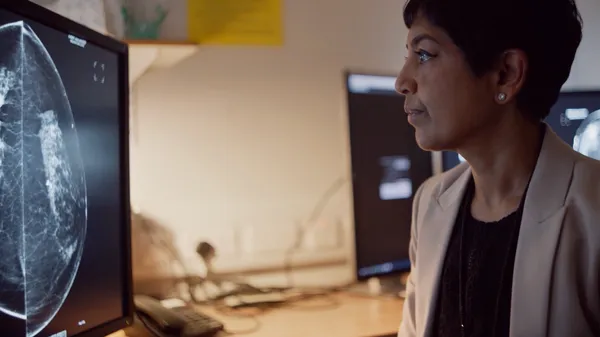
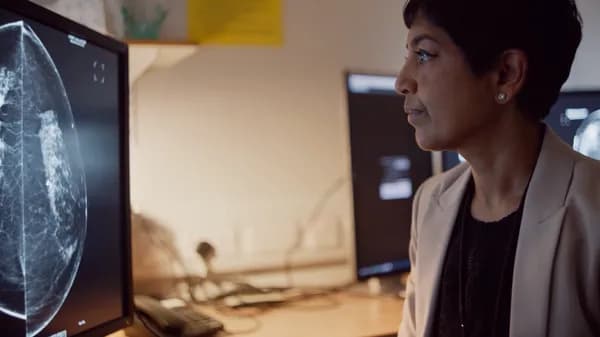
Artificial Intelligence (AI) is increasingly making its mark on healthcare, particularly in the early detection and diagnosis of serious health conditions like breast cancer. Recent advancements demonstrate how Google AI is assisting radiologists in identifying breast cancer more accurately and at an earlier stage, a development that could have far-reaching implications for patient outcomes and healthcare efficiency. This blog post explores the strengths, weaknesses, opportunities, and threats (SWOT) of integrating AI technologies in breast cancer detection, along with market context and potential impacts on investors.
SWOT Analysis of AI in Breast Cancer Detection
Strengths
- Enhanced Accuracy: AI algorithms have shown potential to improve the accuracy of breast cancer detection by analyzing mammograms with a level of precision that can surpass human capabilities. This leads to fewer false positives and negatives, ensuring that patients receive timely and appropriate treatment.
- Increased Efficiency: By automating initial assessments, AI allows radiologists to focus more on patient care rather than solely on the technical aspects of diagnosis. This can lead to better patient experiences and potentially improved outcomes.
- Data-Driven Insights: AI can analyze vast datasets, learning from diverse cases to refine its detection algorithms continuously. This learning process can identify patterns and risk factors that human radiologists may overlook.
Weaknesses
- Dependence on Technology: While AI presents significant advantages, there may be over-reliance on technology that could undermine the critical thinking and diagnostic skills of radiologists. This dependency raises questions about the need for balanced training in both human and AI-assisted diagnostics.
- Data Privacy Concerns: The use of AI in healthcare raises significant issues regarding data privacy and patient confidentiality. Ensuring secure data handling practices is paramount to prevent breaches that could compromise sensitive patient information.
Opportunities
- Global Reach: AI’s adaptability allows it to be implemented in diverse healthcare systems worldwide, particularly in regions with limited access to specialized medical professionals. This could democratize healthcare and enhance access to life-saving diagnostics.
- Partnerships and Innovation: Collaborations between tech companies and healthcare providers can spur innovation in diagnostic tools, leading to breakthroughs that improve early detection across various types of cancers and conditions beyond breast cancer.
Threats
- Regulatory Challenges: The integration of AI in healthcare is subject to strict regulatory frameworks. Navigating these legal landscapes can pose significant challenges for tech companies aiming to innovate in medical diagnostics.
- Market Competition: With numerous players entering the AI healthcare field, competition will likely intensify. Companies must differentiate their offerings and demonstrate tangible benefits over competitors to secure a market position.
Market Context
The healthcare technology market is undergoing a transformation, driven by the increasing adoption of AI and machine learning. These advancements are not just limited to diagnostics; they extend to treatment personalization and patient monitoring. According to a recent report by Grand View Research, the global AI in healthcare market is expected to reach USD 45.2 billion by 2026, growing at a CAGR of 41.6%.
The significant investment by tech giants like Google into healthcare AI indicates a long-term commitment to transforming the industry. Google AI's application in breast cancer detection exemplifies how technology can improve clinical workflows and patient outcomes, potentially reshaping the landscape of preventative healthcare.
Impact on Investors
For investors looking at the healthcare technology sector, the rise of AI-driven diagnostics represents both an opportunity and a challenge. Companies investing in AI technologies may see substantial returns as healthcare systems increasingly adopt these innovations. However, investors must also consider the inherent risks associated with regulatory compliance and market competition.
Moreover, as healthcare continues to embrace AI, ethical considerations regarding patient data usage and algorithmic bias will become more prominent. Investors should remain vigilant about the companies they choose to support, ensuring they prioritize ethical practices alongside technological advancement.
In conclusion, the integration of AI into breast cancer detection marks a significant advancement in healthcare technology, offering enhanced detection capabilities, improved efficiency, and the potential for broader access to care. As this technology evolves, it will be crucial to balance innovation with ethical considerations and regulatory compliance, ensuring that patient welfare remains at the forefront of these advancements.