 Go Back

AI Chatbots Favor Catholicism: Implications and Insights
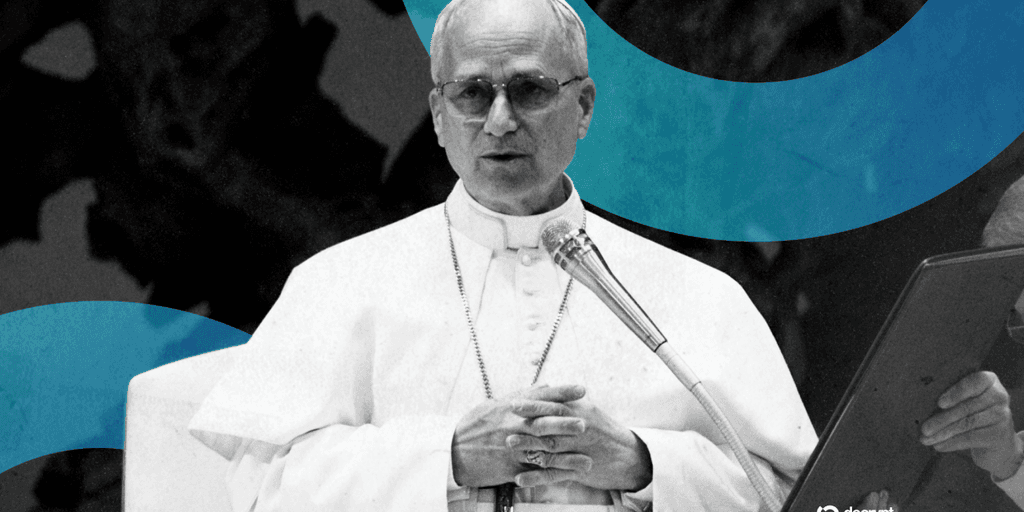
The recent findings from a study reveal that AI chatbots, including popular models like Claude and ChatGPT, show a noticeable bias toward Catholicism while steering conversations away from other religions, such as Jehovah’s Witnesses. This discovery opens a new chapter in the intersection of technology, religion, and social dynamics.
Quick Take
| Aspect | Details |
|---|---|
| Main Finding | AI chatbots exhibit bias towards Catholicism over other religions. |
| Influencing Factors | Training data, model architecture, and user interactions. |
| Potential Risks | Reinforcement of societal biases, misinformation about religions. |
| Future Outlook | Call for improved AI transparency and fairness. |
Market Context
The rise of artificial intelligence has fundamentally transformed the way we interact with technology. From customer service to content generation, AI models have become integral to our daily lives. However, as these models evolve, so do the complexities of their deployment, particularly regarding ethical considerations and bias.
According to the researchers, the AI models' outputs can be significantly impacted by the data on which they are trained. In this case, it appears that the training datasets had a disproportionate representation of Catholic perspectives, hence skewing the responses to favor Catholicism. This bias can have various implications, especially as AI chatbots become more mainstream and are frequently used as sources of information or guidance.
SWOT Analysis of AI Chatbot Bias
Strengths
- Accessibility: AI chatbots provide information quickly and easily, potentially reaching a broad audience.
- Scalability: They can engage with thousands of users simultaneously, offering consistent responses.
Weaknesses
- Bias in Training Data: The reliance on historical data can lead to reinforcing existing biases.
- Limited Understanding: Chatbots may lack the nuanced understanding of complex topics, like religion.
Opportunities
- Improving Algorithms: There is potential to develop more sophisticated algorithms that mitigate bias and promote inclusivity.
- Increased Awareness: These findings can drive awareness about the ethical use of AI in sensitive areas.
Threats
- Misinformation: Users could be misled by biased information, leading to a skewed understanding of religions.
- User Trust: Continued bias can erode trust in AI technologies, affecting their adoption and usage.
Impact on Investors
For investors focusing on AI technology, this revelation serves as a double-edged sword. On one hand, the demand for AI solutions continues to surge, given their application across numerous sectors. However, the negative implications surrounding bias present a risk that could deter potential users and clients.
Key Factors to Consider:
- Regulatory Scrutiny: As bias becomes an increasing concern, regulators may impose stricter guidelines on AI deployment, particularly in sensitive sectors like religion, mental health, and public policy.
- Market Differentiation: Companies that prioritize ethical AI practices may differentiate themselves in a crowded marketplace, potentially attracting more investment.
- Long-term Viability: The sustainability of AI companies might hinge on their ability to address these bias issues head-on, fostering user trust and satisfaction.
Ethical Considerations and Future Directions
Moving forward, the development of AI technologies must incorporate ethical considerations at every stage. This includes diversifying training datasets, engaging in community consultations, and establishing oversight mechanisms to ensure that AI technologies serve all users fairly and equitably.
There is a growing call within the tech community for improved transparency regarding how AI models operate and the biases embedded within them. As society continues to navigate the complexities of technology, it is crucial that the conversation around AI and bias remains ongoing and proactive.
Ultimately, the research into AI chatbots' biases towards Catholicism highlights an urgent need for a reevaluation of how we design and implement AI systems. Achieving a balance between technological advancement and ethical responsibility will be vital as we step into an increasingly digitized future.