 Go Back


Exploring AI and Creativity: Insights from LL COOL J and James Manyika
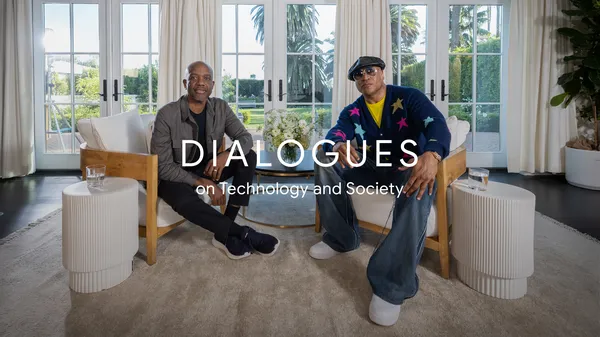
In a captivating episode of the Dialogues on Technology and Society, LL COOL J engages in a thought-provoking conversation with James Manyika, a leading figure in AI research and societal implications. The discussion sheds light on the transformative power of artificial intelligence in the realm of creativity and how it shapes the future of various industries.
Quick Take
| Aspect | Summary |
|---|---|
| Participants | LL COOL J, James Manyika |
| Key Focus | AI's impact on creativity |
| Insights | Future of creativity in the age of AI |
| Relevance | Importance for industries and artists alike |
| Overall Theme | AI as a tool for enhancement, not replacement |
What is the Significance of the Discussion?
The conversation between LL COOL J and James Manyika is significant for several reasons. Firstly, it highlights the increasing role of AI in creative processes across various fields—music, art, and design. Manyika, who leads Google’s research on AI impact, emphasizes that AI should not be seen merely as a tool for automation, but as an enhancer of creativity. This perspective shifts the narrative from AI as a potential job threat to a collaborator that can augment human creativity.
How Does AI Influence Creativity?
AI's influence on creativity manifests in several ways:
- Collaboration: AI systems are now capable of generating music, art, and writing that artists and creators can collaborate with, leading to innovative outcomes that may not have been achievable independently.
- Personalization: AI algorithms can analyze consumer preferences and trends, enabling creators to tailor their work to specific audiences, thus elevating engagement and satisfaction.
- Efficiency: By automating mundane tasks, AI frees up time for artists and innovators to focus on the creative aspects of their work, effectively reshaping workflows.
Market Context
The dialogue comes at a time when Artificial Intelligence is rapidly transforming industries globally. As organizations strive to integrate AI into their operations, the creative sector is experiencing a paradigm shift. According to reports, the global AI market is expected to reach USD 390.9 billion by 2025, with a significant portion attributed to the creative industries.
This growth is evident in sectors such as advertising, film, and music, where AI tools assist in everything from content creation to marketing strategies. This trend provides opportunities for creators to rethink and innovate how they produce and distribute their works.
The Historical Perspective
Historically, technology has disrupted industries by creating new forms of creativity and expression. The invention of the camera, for instance, changed the landscape of visual art by allowing new mediums and methods of expression. Similarly, AI is poised to revolutionize creativity by enabling new genres and approaches that push boundaries.
What is the Impact on Investors?
Investors looking at the AI and creative sectors should take note of the following:
- Emerging Opportunities: As AI tools become more mainstream, there will be a surge in startups focusing on AI-driven creativity. Investors could benefit from early-stage investments in these innovative platforms.
- Risk Considerations: With any technological advancement, ethical considerations arise, particularly around intellectual property and the authenticity of AI-generated works. Investors need to assess these risks carefully.
- Market Adaptation: Companies that successfully integrate AI into their creative processes are likely to outperform those that do not adopt these technologies. This shift could redefine competitive landscapes in various industries.
Conclusion
The conversation between LL COOL J and James Manyika offers a glimpse into the future of AI and creativity. As AI continues to evolve, its role as a collaborator in the creative process will likely become more pronounced. This dialogue not only serves as an enlightening exploration of current trends but also encourages stakeholders across industries to embrace AI as a catalyst for innovation. For investors, the intersection of AI and creativity presents a unique opportunity to capitalize on emerging trends that could redefine the artistic landscape.