 Go Back


AI and Crypto: Reshaping the Global Economy in Real-Time
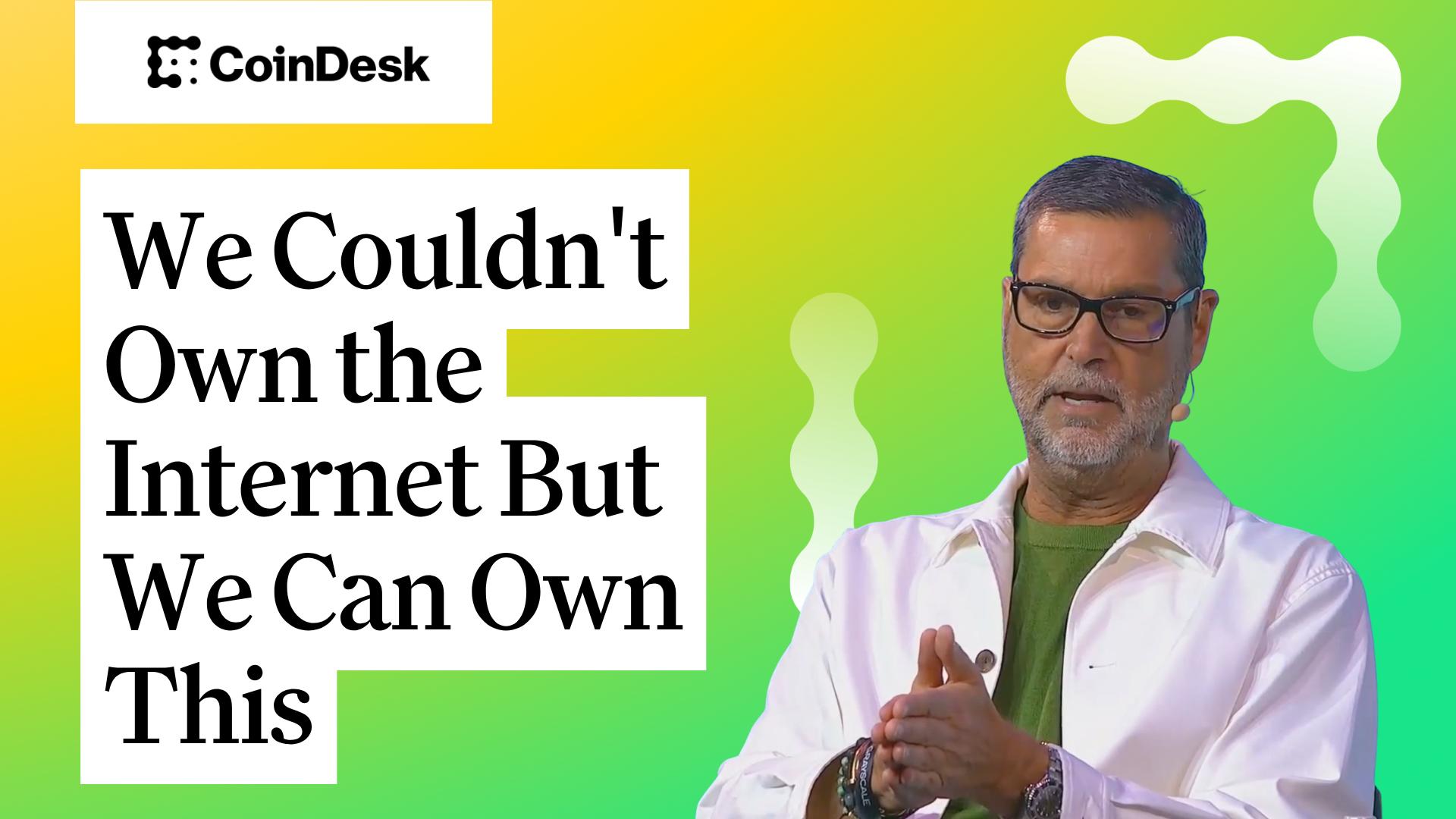
As we stand on the precipice of a new era defined by unprecedented technological advancements, the concepts of artificial intelligence (AI) and cryptocurrency are not just trends; they are pivotal components that are redefining the global economic landscape. Raoul Pal, founder of Real Vision, emphasizes that humanity is entering an “exponential age,” where these technologies are poised to rewrite the very fabric of finance, labor, and culture. The implications of this transformation are profound and far-reaching.
Quick Take
| Key Insights | Summary |
|---|---|
| Exponential Growth | AI and crypto are advancing at an accelerating rate. |
| Redefining Finance | Tokenization could change how assets are traded and owned. |
| Impact on Labor | AI may disrupt traditional job markets and roles. |
| Cultural Shift | Changes in social interactions and transaction methods. |
The Current Landscape
The integration of AI and cryptocurrency is happening faster than most analysts and investors realize. AI technologies are already augmenting decision-making within financial institutions, improving efficiency and accuracy. Simultaneously, cryptocurrencies offer a decentralized alternative to traditional financial systems, empowering individuals with greater control over their assets.
Market Context
The current economic climate is ripe for such shifts. Inflation rates are rising globally, prompting central banks to reconsider monetary policies. Traditional financial systems are strained, and the allure of decentralized finance (DeFi) offers a compelling alternative. In tandem, the advent of AI technologies is enhancing predictive analytics, allowing businesses to make data-driven decisions with greater agility.
- AI in Financial Services: Financial institutions are leveraging AI to improve risk assessments, automate trading, and enhance customer service. The use of machine learning algorithms enables firms to analyze vast amounts of data quickly, leading to more informed investment strategies.
- Rise of Cryptocurrencies: The increasing acceptance of cryptocurrencies for transactions, investments, and as a store of value is gaining momentum. Major corporations are now integrating crypto payments, and institutional investors are diving into the space, recognizing its potential.
- Tokenization of Assets: Tokenization refers to the process of converting rights to an asset into a digital token on a blockchain. This trend is democratizing access to various investment opportunities, making it easier for individuals to invest in assets that were previously out of reach.
Impact on Investors
The convergence of AI and cryptocurrency presents both opportunities and risks for investors. Understanding these dynamics is crucial for navigating this new landscape.
Opportunities
- Diversification: Investors have the chance to diversify their portfolios by incorporating crypto assets, especially as traditional markets face volatility.
- Access to New Markets: Tokenization allows investors to enter markets previously accessible only to large institutions, such as real estate or art.
- Enhanced Data Analysis: Investors can utilize AI tools for better analytics, gaining insights that can lead to more strategic decision-making.
Risks
- Regulatory Uncertainty: As governments worldwide scramble to create frameworks for cryptocurrencies, the regulatory landscape remains volatile. This unpredictability can impact prices and market stability.
- Technological Risks: With the rapid pace of change, investors must stay informed about technological advancements and their implications. Failing to adapt can result in missed opportunities or significant losses.
- Market Sentiment: The cryptocurrency market is notoriously influenced by sentiment, and AI technologies could amplify market reactions, leading to increased volatility.
Future Predictions
As we look ahead, the interplay between AI and crypto will likely shape the global economy in several significant ways:
- Increased Automation: The future workforce may see a shift where AI takes on more traditional roles, potentially leading to job displacement but also creating new opportunities in tech-focused sectors.
- Enhanced Financial Inclusion: With the rise of cryptocurrencies and tokenized assets, more individuals worldwide will gain access to financial services, fostering a more inclusive economy.
- Revolutionized Business Models: Companies may adopt new business paradigms that prioritize token economies and decentralized structures, enhancing transparency and efficiency.
Conclusion
The insights from Raoul Pal underscore a transformative period in our economic history. As AI and cryptocurrencies continue to evolve and intersect, they will not only reshape the financial landscape but also redefine our cultural norms and labor markets. For investors, understanding these changes will not only be beneficial but is essential for thriving in the new economic environment.
Tags
- AI
- Cryptocurrency
- Global Economy
- Financial Technology
- Investment Strategies