 Go Back

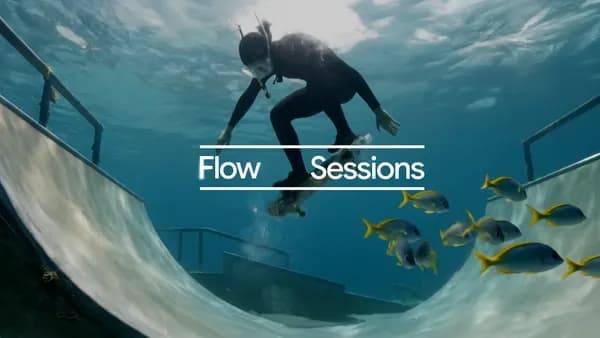
Exploring AI in Film: Insights from Google's Flow Sessions
The film industry has long been a breeding ground for innovation, evolving at the intersection of creativity and technology. In recent years, the integration of artificial intelligence (AI) into filmmaking has emerged as a game-changer, reshaping how stories are told and experienced. A prime example of this trend is Google's Flow Sessions, an initiative designed to enable artists to harness AI in their creative processes. This blog examines the broader macroeconomic implications of such innovations, spotlighting key lessons from artists involved in the program.

Quick Take
| Key Insights | Description |
|---|---|
| AI Filmmaking Tool | Google's Flow tool empowers artists to integrate AI seamlessly into their work. |
| Collaboration with Artists | The Flow Sessions brought diverse artists together to explore AI's possibilities. |
| Future of Storytelling | AI is set to redefine narratives, making them more immersive and interactive. |
| Economic Impact | These innovations could revolutionize film production costs and accessibility. |
The Rise of AI in Filmmaking
AI's foray into filmmaking signifies a pivotal shift in how creative processes operate. Historically, the film industry has relied on human talent for scriptwriting, directing, and production. However, as AI technology advances, tools like Google's Flow are allowing artists to explore new avenues, pushing the boundaries of creativity.
Insights from Flow Sessions
- Enhancing Creativity: Artists participating in Flow Sessions highlight AI as a tool for inspiration rather than a replacement. AI can generate new ideas, suggest plot twists, and even assist in visual storytelling, allowing filmmakers to focus more on the narrative's emotional depth.
- Collaboration Across Disciplines: The initiative has fostered collaboration among artists from various backgrounds, demonstrating AI's versatility. Musicians, visual artists, and filmmakers converge to create unique projects, revealing a multi-faceted approach to storytelling.
- Democratizing Filmmaking: With AI tools like Flow, the barriers to entry in filmmaking are lowered. Independent filmmakers can access resources that were once exclusive to major studios, promoting a more diverse range of voices in the industry.
Market Context
Economic Implications of AI in Film
The integration of AI into the film industry is not just a technological advancement; it carries significant economic implications. As filmmakers adopt AI tools, production costs may decrease, allowing for more projects to be greenlit and potentially increasing employment opportunities within the sector.
Key Economic Considerations
- Cost Efficiency: By streamlining production processes, filmmakers can allocate budgets more effectively, potentially leading to larger productions at lower costs.
- New Market Opportunities: The rise of AI-driven content creation opens new avenues for monetization, such as personalized films based on viewer preferences or interactive storytelling experiences.
- Investment in Technology: As demand for AI in filmmaking grows, we can expect increased investment in technology and talent, fostering innovation within the industry.
Long-term Analysis
The long-term ramifications of AI in filmmaking could reshape the entertainment landscape entirely. As technology evolves, we may see:
- Shift in Audience Engagement: AI has the potential to create more immersive viewing experiences, tailoring content to individual viewer preferences and opening up new forms of interaction.
- Changes in Viewer Expectations: As audiences become accustomed to AI-enhanced storytelling, they may begin to expect higher levels of creativity and interactivity, pushing creators to continually innovate.
- Ethical Considerations: The rise of AI in creative fields also brings ethical dilemmas regarding authorship and the authenticity of the creative process, prompting discussions on intellectual property and the role of human creativity.
Impact on Investors
For those looking to invest in the film industry, the emergence of AI as a transformative force presents both opportunities and risks. Understanding the following factors can help guide investment decisions:
- Emerging Startups: Companies developing AI tools for film production may offer lucrative investment opportunities, particularly as demand rises for innovative storytelling solutions.
- Established Studios Adapting: Watch for established studios that are integrating AI into their workflows; their adaptability can signal resilience and potential for growth in a changing landscape.
- Market Trends: Keeping an eye on trends in consumer behavior towards AI-driven content can provide insights into future profitability and investment viability.
Conclusion
Google's Flow Sessions exemplify the burgeoning intersection of artificial intelligence and creative expression, paving the way for a new era in filmmaking. As artists utilize AI to enhance their storytelling, the implications for the film industry and the broader economy are profound. Investors, creators, and audiences alike must stay attuned to these changes as they unfold, shaping the future of cinema.
Tags
- AI
- Film Industry
- Google Flow
- Creativity
- Economic Impact
- Technology