 Go Back

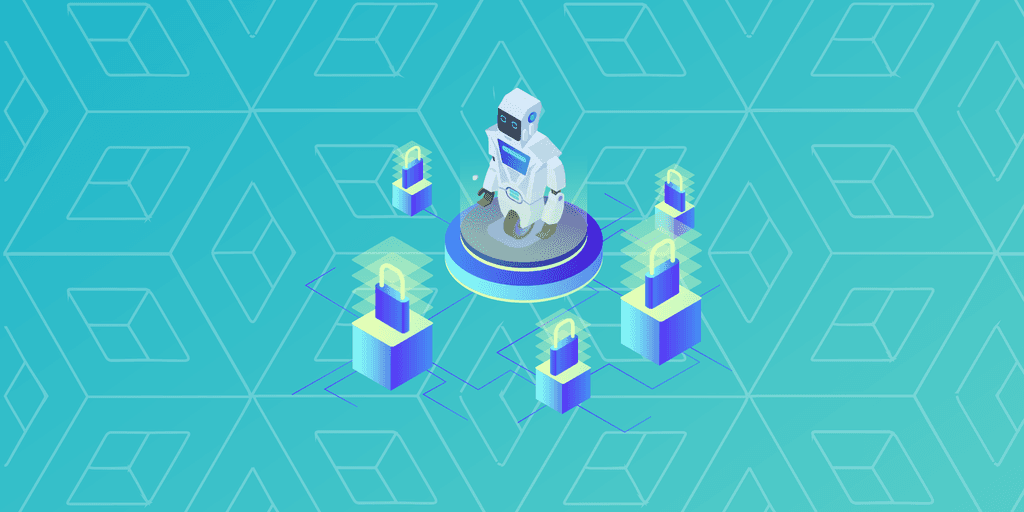
AI Jailbreaking: A Deep Dive into the New Frontier of Compliance
In recent years, the term 'AI jailbreaking' has emerged in discussions surrounding artificial intelligence, particularly regarding large language models (LLMs) like ChatGPT. This phenomenon, which started with jailbreaking mobile devices, has evolved into a complex cat-and-mouse game between developers and users. Understanding AI jailbreaking is essential not just for AI developers but also for regulators and investors in the tech landscape.
Quick Take
| Aspect | Details |
|---|---|
| Definition | The process of bypassing restrictions on AI models |
| Historical Roots | Originated from mobile device jailbreaking |
| Current Trend | Increasing instances of AI jailbreaking among users |
| Regulatory Impact | Potential for significant compliance challenges |
| Investor Concern | Implications for AI product reliability and safety |
Understanding AI Jailbreaking
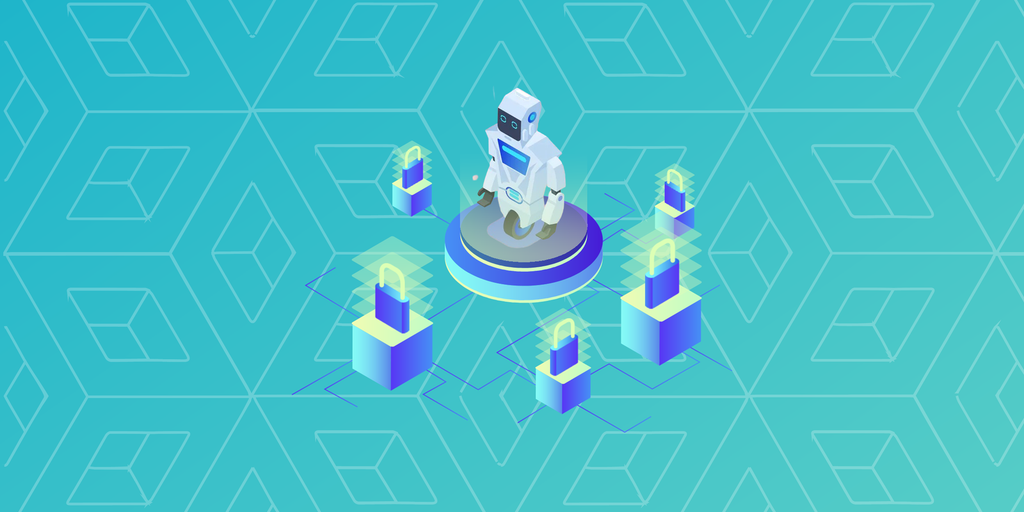
AI jailbreaking involves manipulating AI systems to bypass their inherent restrictions, enabling users to execute functions that would otherwise be blocked. This form of exploitation can lead to both creative uses of AI and dangerous misapplications, raising considerable concerns regarding compliance and ethics in AI development.
Historical Context of Jailbreaking
The concept of jailbreaking originated in the realm of mobile technology, where users sought greater control over their devices by removing manufacturer-imposed restrictions. This practice allowed individuals to install unauthorized applications and access deeper system functionalities. As artificial intelligence technologies have proliferated, particularly with the advent of sophisticated LLMs, a similar trend has emerged.
In the context of AI, jailbreaking refers to users finding ways to manipulate the behavior of chatbots, thereby enabling them to generate responses outside of the ethical guidelines established by developers. For instance, when a user queries a chatbot in a way that leads it to generate inappropriate, harmful, or misleading content, they are effectively employing a form of AI jailbreaking.
SWOT Analysis of AI Jailbreaking
Strengths
- Enhanced Creativity: Users can unlock novel uses for AI that were not initially anticipated by developers.
- Rapid Adaptation: AI systems can evolve based on user interactions, leading to improvements or innovative features.
Weaknesses
- Ethical Concerns: Jailbreaking raises serious ethical questions about the responsible use of AI technologies.
- Security Vulnerabilities: Unrestricted AI models may become targets for malicious activities, posing risks to users and organizations.
Opportunities
- Regulatory Frameworks: The need for new compliance standards provides opportunities for regulators to establish clear guidelines.
- Market Demand: As AI technologies proliferate, there is increased consumer demand for flexible and adaptive AI solutions.
Threats
- Legal Repercussions: Organizations may face legal consequences for failing to prevent users from jailbreaking AI models.
- Investor Distrust: Ongoing jailbreaking incidents could lead to a decline in trust and investment in AI technologies.
Market Context
The rise of AI jailbreaking coincides with an unprecedented boom in AI technology, particularly in the fields of natural language processing and machine learning. As companies rush to develop and deploy LLMs, the lack of a comprehensive regulatory framework has left many organizations vulnerable to the unintended consequences of user manipulation.
Prominent tech firms, including OpenAI, have been grappling with the implications of AI jailbreaking. They are increasingly aware that their AI systems must operate within strict ethical boundaries while still providing value to users. This balancing act presents a daunting challenge as the lines between compliance, creativity, and ethical responsibility continue to blur.
Impact on Investors
For investors, the ramifications of AI jailbreaking are significant. Potential compliance challenges may lead to increased costs related to risk management and legal compliance. Furthermore, the volatility in user engagement and trust could affect the long-term viability of AI companies. Investors must be vigilant, as any misstep in managing AI technologies could prompt substantial financial instability.
Recommendations for Stakeholders
- Develop Comprehensive Guidelines: Regulators need to establish clear compliance regulations to mitigate the risks associated with AI jailbreaking.
- Invest in Security: Companies should prioritize robust security measures to prevent unauthorized access and manipulation of AI systems.
- Engage in Open Dialogue: Continuous communication between stakeholders—developers, regulators, and investors—is essential to navigate the evolving landscape of AI technology.
As AI continues to evolve, so will the challenges and opportunities that come with it. Stakeholders must remain proactive to ensure that compliance and ethical standards keep pace with technological advances. Only through collective effort can the balance between innovation and responsibility be achieved.