 Go Back


AI-Powered Trading Platforms: A New Era for Crypto Markets
As cryptocurrency continues to evolve, so too do the tools and technologies that investors use to navigate this complex landscape. One of the latest advancements is the emergence of AI-powered automated trading platforms, such as the one launched by DdbuShen, which aims to integrate artificial intelligence with strategic trading approaches for both cryptocurrency and equity markets. This innovation promises to revolutionize how traders operate, but it also necessitates a deep understanding of the broader macroeconomic context in which these changes are taking place.
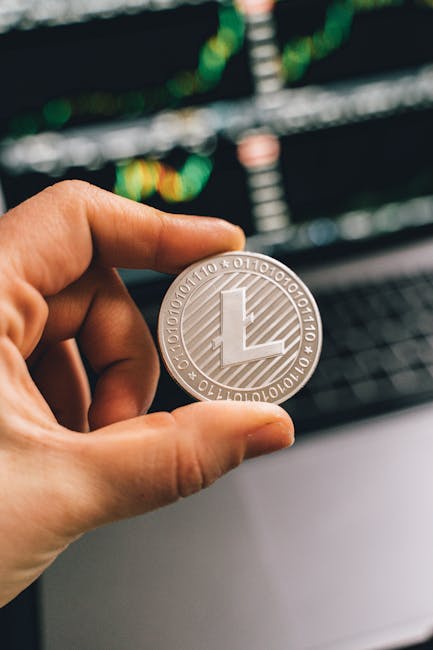
Quick Take
| Feature | Description |
|---|---|
| Platform Name | DdbuShen |
| Technology | AI-driven algorithms for trading |
| Market Focus | Cryptocurrency and equity markets |
| Launch Year | 2026 |
| Key Selling Point | Strategy-driven automated trading |
The Good, the Bad, and the Ugly: An Analysis
The Good
The introduction of AI-driven platforms offers significant advantages:
- Enhanced Decision Making: AI can analyze vast amounts of data far beyond human capacity, allowing for more informed trading decisions.
- Increased Efficiency: Automation removes the emotional factors that can lead to poor investment choices, streamlining the trading process.
- Accessibility: These platforms can democratize trading by providing tools that were previously available only to institutional investors.
The Bad
However, there are also downsides to consider:
- Over-reliance on Technology: Investors may become complacent, placing too much trust in AI systems and neglecting their own research and analysis.
- Market Volatility: Automated trading can exacerbate market swings, as algorithms react to market conditions without the nuance that human traders might apply.
- Security Risks: AI platforms can be targets for cyber-attacks, and any successful breach could lead to significant financial losses.
The Ugly
Finally, the darker aspects of this trend must not be overlooked:
- Market Manipulation: Sophisticated algorithms can be used for manipulative practices, posing risks to market integrity.
- Ethical Concerns: The decision-making processes of AI systems can be opaque, making it difficult to hold anyone accountable for poor outcomes or unethical strategies.
Market Context
In the current macroeconomic environment, where traditional markets are also integrating advanced technologies, the role of AI in trading is becoming increasingly relevant. The volatility seen in cryptocurrency markets, amplified by geopolitical tensions and economic uncertainty, creates a fertile ground for innovative solutions like DdbuShen's platform.
As central banks around the world adopt different stances on interest rates and inflation control, volatility may persist. In these times, AI could provide traders with tools to better navigate uncertain conditions and potentially capitalize on fleeting opportunities.
Historical Context
Historically, the integration of technology in trading has transformed financial markets. The rise of algorithmic trading in the early 2000s demonstrated how technology could enhance trading efficiency and speed. With advancements in AI, we are on the brink of another major shift that has the potential not only to change trading practices but also to redefine the landscape of investment strategies.
Impact on Investors
For investors, the advent of AI-powered trading platforms could signal both a shift and an opportunity. Here are some considerations:
- Learning Curve: Investors will need to adapt to new tools and understand how to interact with AI platforms effectively.
- Investment Strategies: The rise of AI could lead to a diversification of strategies, as traders develop unique approaches that leverage AI's capabilities.
- Risk Management: Understanding the limitations and risks associated with AI trading will be crucial for investors looking to safeguard their portfolios.
Ultimately, as we look toward the future, the intersection of AI technology and cryptocurrency trading could hold both promise and peril. As platforms like DdbuShen come to market, the implications for traders and investors will be profound, reshaping the landscape of financial markets for years to come.
As the adoption of AI in trading continues to evolve, investors must remain vigilant, informed, and adaptable. The future of trading is not just about leveraging technology, but also about understanding the complexities of the macroeconomic environment in which these technologies operate.