 Go Back

AI vs. Engineers: Why Human Touch Still Matters in Tech
Quick Take
| Insight | Details |
|---|---|
| Current State | AI models fall short in addressing real-world issues |
| Benchmark Findings | Human engineers outperform AI in problem-solving |
| Future Implications | Need for collaborative roles between AI and engineers |
| Industry Impact | Risks of over-reliance on AI in critical systems |
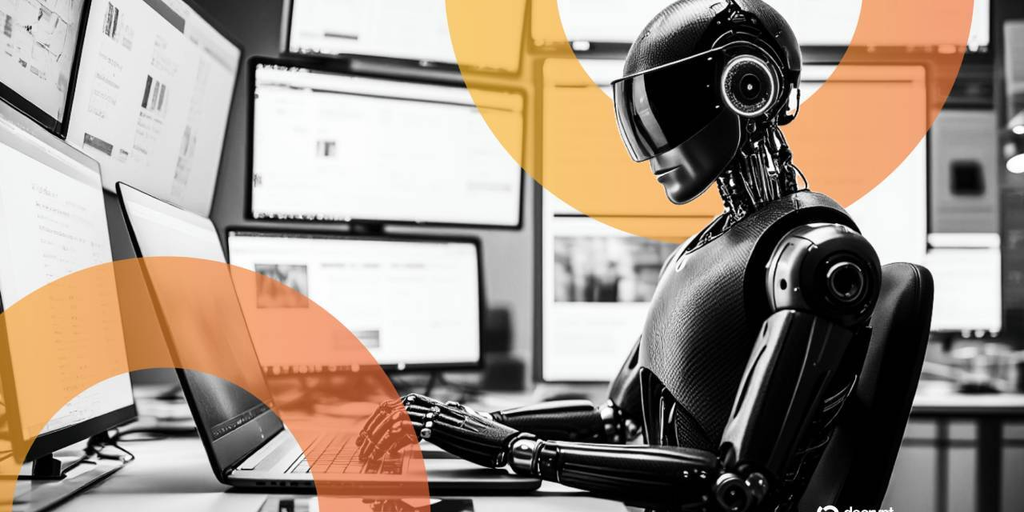
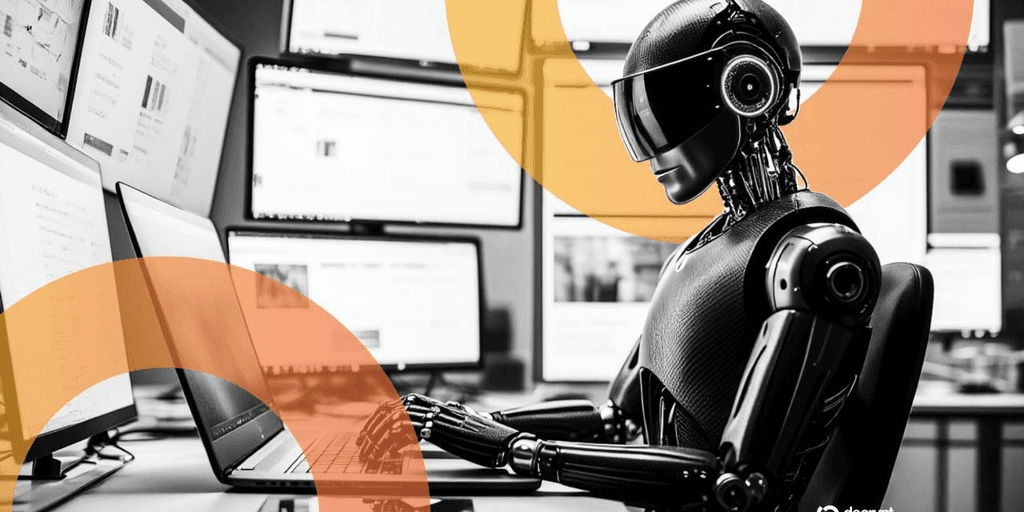
The interplay between artificial intelligence (AI) and human engineers has become a hot topic in recent tech discussions. A recent report from Decrypt highlights the limitations of AI models, specifically their inability to surpass human engineers when it comes to solving real-world problems. This revelation prompts an exploration of the current capabilities of AI, the irreplaceable value of human intuition, and what this means for the future of technology and its intersection with our economic landscape.
What Do Recent Benchmarks Show?
Benchmarks, such as those conducted by Arfbench and Datadog, suggest that while AI models have made remarkable strides in learning and processing data, they still fall short in practical applications. These benchmarks reveal a significant gap between the theoretical efficiency of AI and its practical effectiveness in solving complex, real-world issues.
The findings illustrate that human engineers bring a level of critical thinking, context awareness, and problem-solving skills that current AI systems cannot replicate. They are adept at diagnosing nuanced issues, understanding the broader implications of their decisions, and crafting solutions that are not merely based on data points but also on human experience and intuition.
Why Are AI Models Struggling?
Complexity of Real-World Problems
Real-world problems often involve multifaceted challenges that go beyond mere pattern recognition. Engineers are trained to navigate ambiguity, while AI models typically rely on structured data and predefined algorithms. For instance, when an outage occurs, an engineer can assess the situation based on experience, gauge the urgency, and understand the intricate dependencies of various systems. In contrast, AI may misinterpret signals or make decisions based on incomplete data, leading to ineffective solutions.
Lack of Emotional Intelligence
Another significant aspect is emotional intelligence. Engineers often communicate with stakeholders, understanding their concerns and priorities, which informs their problem-solving process. AI models lack the ability to engage with human emotions and context, making it challenging for them to prioritize effectively in critical situations.
Market Context
The tech industry is witnessing a growing demand for AI solutions, with firms increasingly integrating these technologies into their workflows. However, the reliance on AI also raises questions about job displacement and the evolving role of engineers in an AI-driven world. As companies seek efficiency, the balance between automation and the human touch becomes crucial.
Historically, technology has always disrupted job markets, from the industrial revolution to the digital age. Yet, each wave of innovation has also created new opportunities. In the current climate, the role of engineers may evolve rather than disappear. Future engineers will likely need to work in tandem with AI, leveraging machine learning for data processing while applying their human insights for decision-making.
Impact on Investors
For investors, these insights carry significant implications. The tech sector's growing integration of AI offers exciting opportunities, but it also comes with risks. Companies that over-rely on AI without recognizing its limitations may face operational setbacks, leading to financial losses. Understanding the balance between AI and human expertise will be crucial for assessing the long-term viability of tech investments.
Investors should consider looking for firms that prioritize a hybrid approach, combining AI efficiencies with the irreplaceable human factor. Such companies are likely to be better positioned to navigate challenges and innovate responsibly.
Future Predictions
As AI continues to advance, we might witness a shift towards more collaborative roles between human engineers and AI systems. The future may hold the potential for creating hybrid models where engineers train AI to make better decisions and, in turn, use AI to handle repetitive tasks more efficiently.
Moreover, the narrative around AI's capabilities may evolve. Rather than viewing AI as a replacement for human roles, industries may begin to celebrate it as a tool that enhances human productivity. This shift could lead to an increased demand for professionals skilled in both AI and traditional engineering, creating a new paradigm in the workforce.
In conclusion, while AI models are making significant progress, they still cannot replace the unique capabilities of human engineers in solving real-world problems. As we move forward into an increasingly tech-driven future, recognizing the value of human insight alongside AI will be essential for sustainable growth and innovation in the tech sector.