 Go Back


Quick Take
| Aspect | Details |
|---|---|
| Stablecoin Name | SEKAU |
| Backing Currency | Swedish Krona (SEK) |
| Regulatory Framework | EU’s MiCA |
| Multi-Chain Support | Yes |
| Launch Date | Recently |
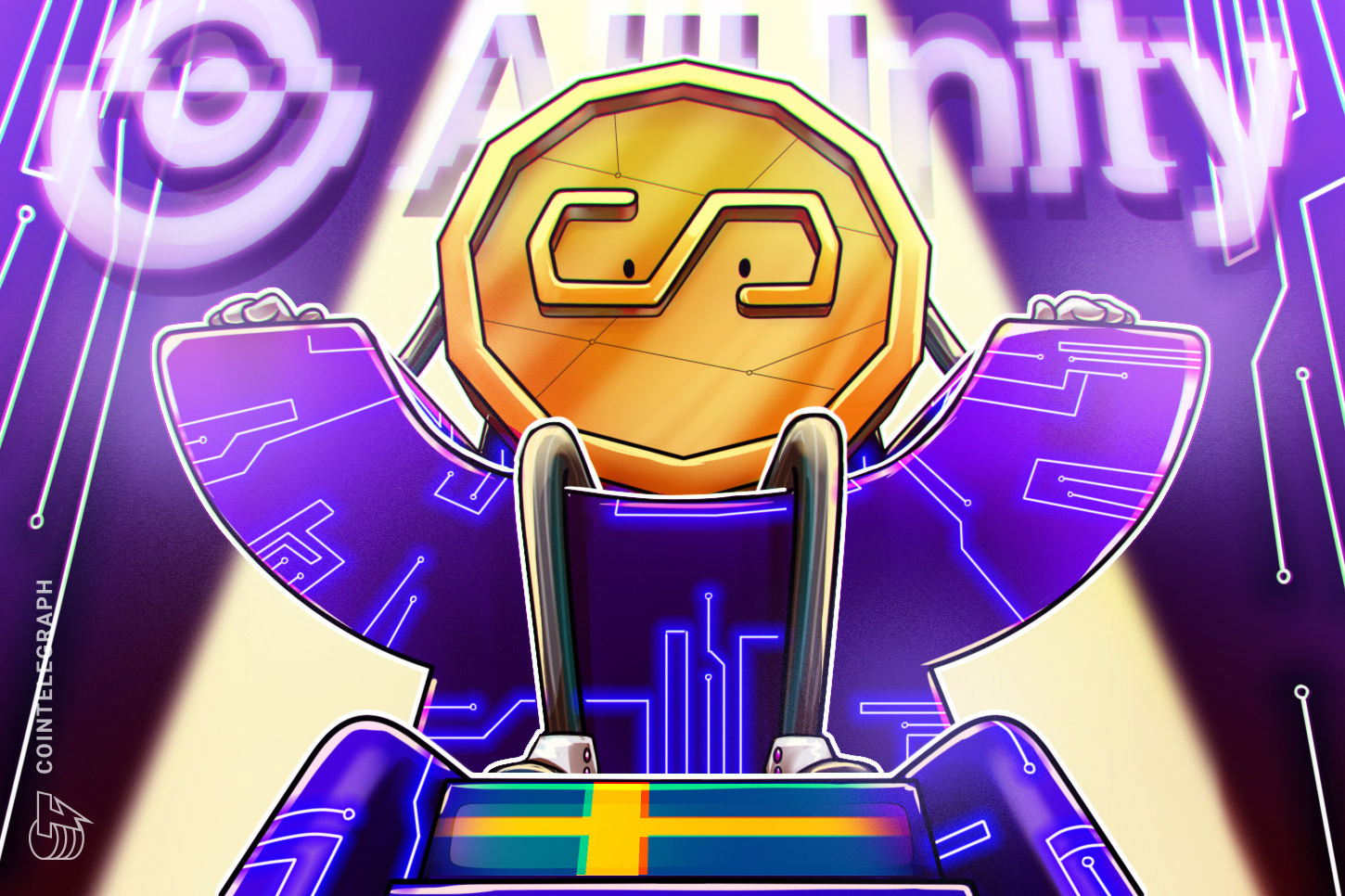
In an evolving landscape where the demand for reliable cryptocurrency options continues to surge, AllUnity recently made headlines by debuting the SEKAU, a stablecoin fully backed by the Swedish krona (SEK). This development not only highlights the growing popularity of stablecoins but also emphasizes the regulatory advancements within the European Union, particularly under the Markets in Crypto-Assets (MiCA) framework. As investors and users alike seek greater stability and assurance in their digital transactions, the launch of SEKAU opens up a conversation about the implications for both the crypto market and traditional finance.
The Good: Advantages of SEKAU
Regulatory Compliance: One of the most significant benefits of SEKAU is its compliance with EU regulations, specifically the MiCA framework. As governments worldwide implement stricter regulations on cryptocurrencies, SEKAU’s adherence ensures that users are engaging with a stablecoin that meets legal standards. This can enhance user trust and attract institutional investors who have been hesitant to dive into the crypto wave due to regulatory uncertainties.
Currency Stability: Backed by the Swedish krona, SEKAU offers a layer of stability that many other stablecoins struggle to provide. While cryptocurrencies can be notoriously volatile, stablecoins like SEKAU are designed to maintain a stable value by pegging them to a fiat currency. This is especially attractive for users wanting to evade the wild fluctuations seen in major cryptocurrencies.
Multi-Chain Support: By supporting multiple blockchains, SEKAU increases its versatility and accessibility. This can facilitate broader adoption as users on different platforms can leverage the stablecoin without being confined to a single blockchain. It can also spur innovation in financial applications across various ecosystems.
The Bad: Challenges Ahead
Market Competition: SEKAU enters a saturated market already populated with established stablecoins such as Tether (USDT) and USD Coin (USDC) that have significant market share. Gaining traction in this competitive landscape could be a formidable challenge, as users may be reluctant to switch from familiar, established options unless there are clear advantages.
Regulatory Risks: While SEKAU adheres to regulations, the ever-changing landscape of cryptocurrency legislation poses inherent risks. Future regulatory changes in the EU or globally could impact its operations, potentially leading to unforeseen challenges for AllUnity and its users.
Adoption Barriers: Despite its advantages, SEKAU may face barriers to widespread adoption. Users may be hesitant to adopt a new stablecoin, particularly if their current solutions are already fulfilling their needs. Continuous education and marketing efforts will be required to encourage users to transition to SEKAU.
The Ugly: Broader Implications for the Crypto Market
The introduction of SEKAU raises broader questions about the future of stablecoins and their role in the financial ecosystem. As governments and regulatory bodies continue to tighten their grip on the cryptocurrency space, we may see a bifurcation where only the most compliant and stable options succeed.
Impact on Traditional Banking: The rise of stablecoins like SEKAU could disrupt traditional banking systems, particularly in regions where the krona is a mainstay. If businesses begin relying on stablecoins for transactions, banks could lose transaction revenue and face operational challenges. The push for more stable digital currencies might spur banks to innovate and adopt similar technologies to stay relevant.
Cross-Border Trade and Finance: The stability and legal backing of SEKAU may also enhance cross-border trade. Businesses engaged in international transactions might prefer to use a stablecoin underpinned by a strong fiat currency, making dealings smoother and reducing exchange rate risks.
Market Context
The launch of SEKAU comes at a time when the stablecoin market is experiencing increased scrutiny and competition. This trend is exacerbated by the fact that several stablecoins have faced regulatory issues and scrutiny over their reserve practices. For SEKAU, aligning itself with the MiCA framework could serve as a significant differentiator. The ability to integrate seamlessly into EU regulations may present an opportunity for AllUnity to position itself not just as another stablecoin provider, but as a leader in compliant digital financial solutions.
Impact on Investors
For investors, SEKAU presents a dual opportunity. On one hand, it provides a vehicle for those looking to hedge against volatility in the cryptocurrency market or fiat currency fluctuations. On the other hand, it offers a chance to engage with a regulated product that could be more appealing to institutional players. This could lead to increased liquidity and broader use cases for the stablecoin in smart contracts, remittances, and payment solutions.
In summary, the launch of SEKAU is not just another addition to the stablecoin market; it represents a potential shift toward greater regulatory compliance, stability, and broader acceptance of digital currencies within traditional financial systems. As AllUnity forges ahead, the success of SEKAU will depend on its ability to navigate the challenges of competition, regulation, and market adoption while capitalizing on the unique advantages it brings to the table.