 Go Back


Quick Take
| Key Points | Details |
|---|---|
| Incident | U.S. soldier arrested for betting on Polymarket |
| Context | Involvement in a raid on Nicolas Maduro |
| Implications | Legal ramifications for crypto market speculation |
| Broader Impact | Potential regulatory changes in crypto betting practices |
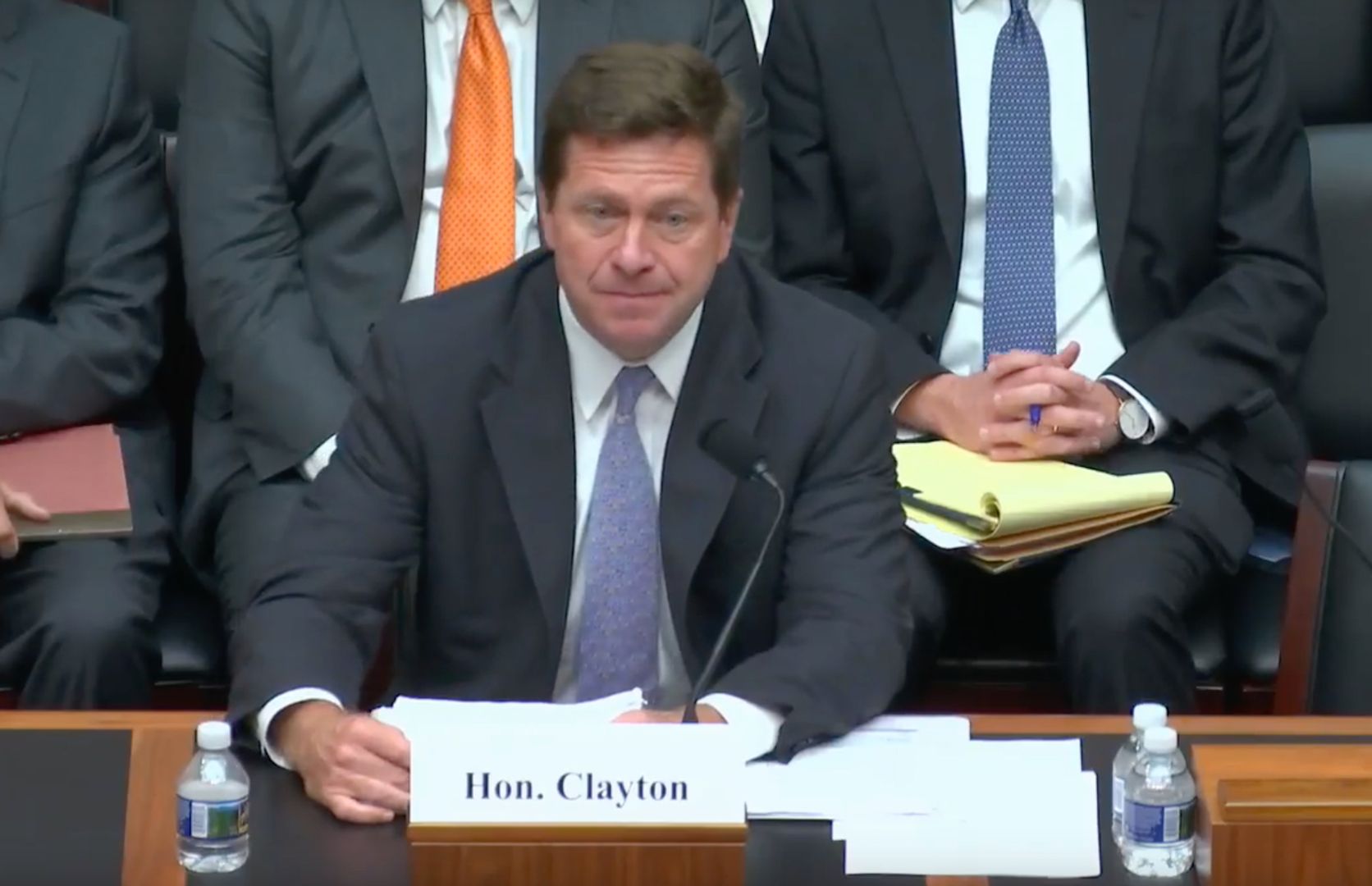
The recent arrest of a U.S. Army soldier for allegedly placing bets about the raid on Venezuelan President Nicolás Maduro through Polymarket has stirred conversations not only regarding the ethics of betting on political events but also the associated risks of engaging in crypto-market speculation. This incident invites broader discussions about the intersections of cryptocurrency, legality, and the macroeconomic landscape.
What is Polymarket?
Polymarket is a decentralized prediction market platform where users can buy and sell shares on the outcomes of various events, including political elections and high-stakes international situations. Such platforms have gained popularity as they leverage blockchain technology, offering a pseudo-anonymous way to speculate on uncertain outcomes.
What Happened?
The U.S. Department of Justice (DOJ) arrested the soldier under allegations of placing bets regarding operational events he was directly involved in. The implications of this case extend beyond individual accountability, reflecting the ongoing struggle to regulate cryptocurrencies and prediction markets within existing legal frameworks.
Market Context
The rise of decentralized finance (DeFi) applications, including prediction markets like Polymarket, is emblematic of the evolving financial ecosystem. These platforms have the unique ability to democratize information and create markets based on public sentiment. However, as the lines blur between legal betting and illegal gambling, serious questions arise about the role of regulatory bodies in monitoring this space.
The juxtaposition of a military official engaging in such activities raises eyebrows, especially regarding conflicts of interest and ethical considerations in times of geopolitical complexity. Regulators have historically been slow to react to the rapid pace of technological adoption in cryptocurrencies, and this incident could serve as a catalyst for more stringent oversight.
Impact on Investors
For investors interested in burgeoning markets like Polymarket, the arrest of the soldier serves as a stark reminder of the legal risks associated with crypto betting and speculation. While many view these platforms as innovative financial tools, the lack of clarity surrounding their legal status could pose significant risks. Here are some implications for investors:
- Increased Scrutiny: The incident may lead to heightened scrutiny of prediction markets, causing platforms to reassess their operational structures and compliance with local regulations.
- Potential Legal Frameworks: The U.S. might implement clearer guidelines on acceptable forms of betting and speculation through crypto platforms, which could either enhance credibility or restrict market activities.
- Investor Caution: Investors might become more cautious in engaging with platforms that could face legal challenges, potentially impacting liquidity and market dynamics.
Future Predictions
Looking ahead, the fallout from this incident could lead to:
- Stricter Regulations: Governments might create comprehensive regulatory frameworks to address the unique challenges posed by decentralized prediction markets.
- Market Evolution: As regulatory clarity emerges, we could see the evolution of more robust, compliant platforms that balance user freedom with accountability.
- Increased Awareness: Cases like this one will likely heighten awareness among investors regarding the legal implications of their activities in the crypto space, prompting more due diligence.
Conclusion
The arrest of a soldier for betting on Polymarket underscores a pivotal moment for the crypto industry. It highlights the need for a rigorous examination of the legal contexts in which these markets operate. As the landscape continues to evolve, stakeholders must remain vigilant and proactive in understanding the implications of their investments in the face of regulatory uncertainty.
This incident serves as a cautionary tale that could either stifle innovation or spark a wave of regulatory reform aimed at balancing the excitement of crypto speculation with the necessary safeguards to protect participants in this burgeoning market.