 Go Back


Assessing the AI Trade: A Shift in Market Dynamics and Investor Sentiment
The narrative surrounding artificial intelligence (AI) has captivated investors and analysts alike, driving significant market trends and speculation. Recent developments, however, signal a shift in this once-booming trade. Record earnings from leading tech firms, increasing competition in the AI sector, and concerns over a slowdown in AI spending have prompted a reassessment among stakeholders. This analysis delves into the current state of the AI trade, its implications on the economy, and potential future trajectories.
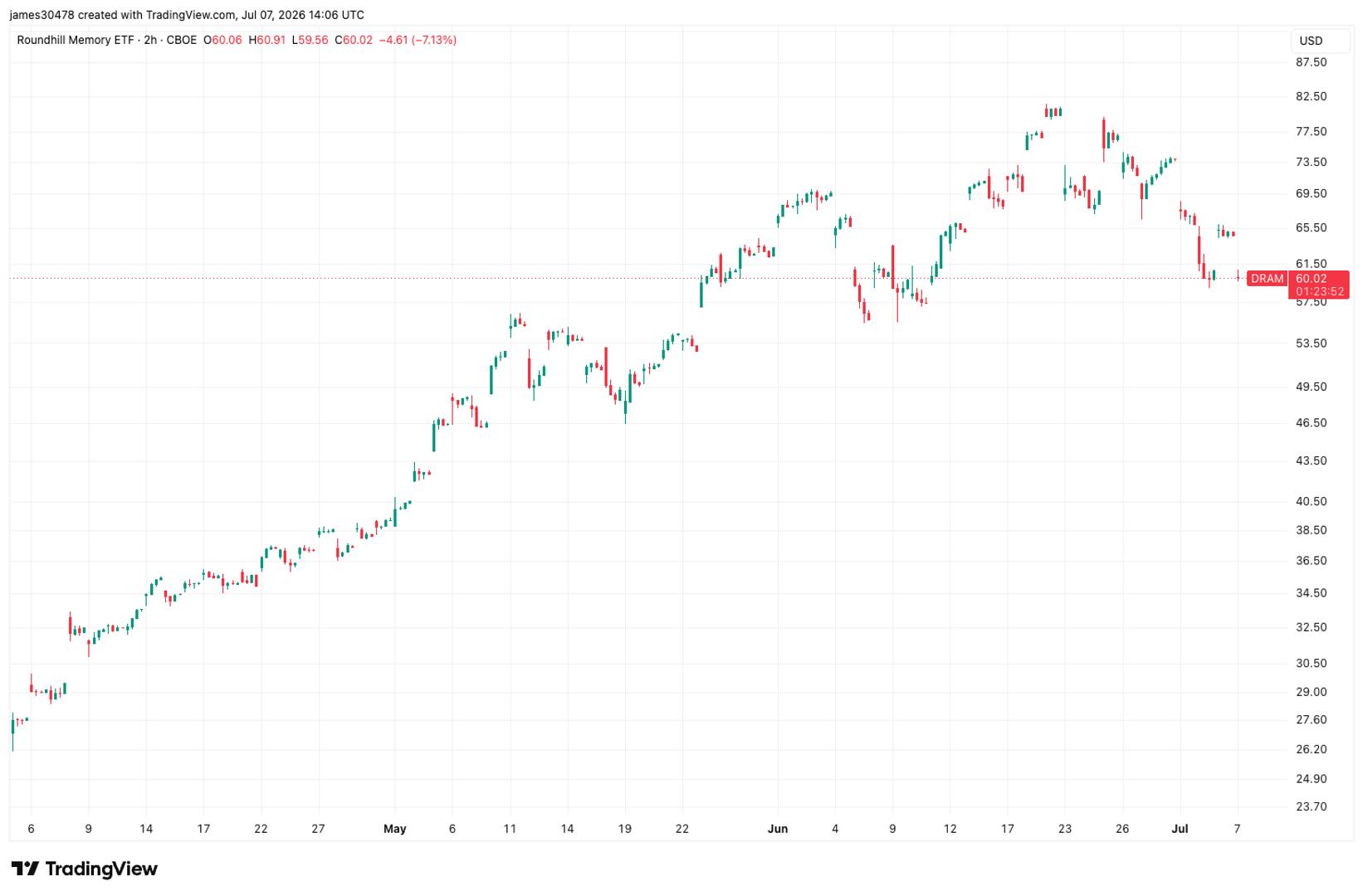
Quick Take
| Factor | Current Status | Implications |
|---|---|---|
| Record Earnings | Rising | Indicates strong market performance but may not sustain. |
| Competition | Increasing | Potential for market saturation and reduced margins. |
| AI Spending | Slowing | Investor sentiment may shift towards caution. |
| Infrastructure Boom | Facing Reality | Realities may dampen growth expectations. |
Market Context
The AI sector has long been viewed as a goldmine for growth investors. Companies like NVIDIA, Google, and Microsoft have reported unprecedented earnings, primarily fueled by the AI revolution. The integration of AI into various industries has been seen as the catalyst for a new technological renaissance, hinting at boundless opportunities for profit.
However, as earnings reports emerge, the narrative is increasingly nuanced. Record earnings may reflect a peak that is not sustainable. A major factor in this shift is the rising competition within the AI landscape. New entrants and established firms are aggressively innovating, which could lead to market saturation. As competition intensifies, profit margins may compress, causing investors to reevaluate their positions.
The Reality Check
The current landscape illustrates that what appeared to be an unending boom is now facing a reality check. Investors are becoming wary as signs of slowing AI spending emerge — a crucial element that has driven market enthusiasm in previous quarters. This slowdown may stem from various factors, such as economic uncertainties, shifting corporate budgets, and a reevaluation of the return on investment in AI technologies. Businesses that once aggressively invested in AI may now pause to assess their investments in light of performance outcomes.
SWOT Analysis of the AI Trade
To better understand the dynamics influencing the AI trade, let’s apply a SWOT analysis framework:
Strengths
- Technological Leadership: Major companies possess cutting-edge technology, which continues to attract investment.
- Diverse Applications: AI can be applied across various sectors, from healthcare to finance, maintaining a broad interest from investors.
- High Demand: The demand for AI solutions remains robust, with businesses seeking to improve efficiency and innovation.
Weaknesses
- Market Saturation: Increasing competition may lead to an oversupply of AI solutions, challenging profitability.
- Dependence on Economic Conditions: Slowing macroeconomic indicators could restrict corporate spending on AI initiatives.
- Regulatory Risks: Heightened scrutiny and potential regulations on AI technologies could hinder growth.
Opportunities
- Emerging Markets: Untapped markets in developing countries present new growth avenues for AI firms.
- Collaborations: Strategic partnerships between tech companies and other sectors (e.g., healthcare, automotive) can enhance market presence.
- Innovation: Continued advancements in AI technologies (like generative AI) could unlock new revenue streams.
Threats
- Economic Recession: A downturn in global economies could severely impact corporate budgets for technology investments.
- Public Sentiment: Growing concerns about AI ethics and job displacement may lead to pushback against AI deployment.
- Competitor Innovations: Rapid advancements by competitors could quickly outpace existing technologies, eroding market share.
Impact on Investors
Given the current state of the AI trade, investors must proceed with caution. The once-clear trajectory toward exponential growth is now clouded with uncertainties. Investors who were previously bullish on AI stocks may need to consider diversifying their portfolios. While the potential for growth remains, it must be carefully balanced with risk assessment, especially in a competitive and rapidly evolving landscape.
Moreover, the slowing pace of AI spending may compel investors to revisit their strategies. A focus on companies that demonstrate resilience, adaptability, and robust management practices will be essential. Investment in sectors that complement AI, such as cloud computing and data infrastructure, may also provide a buffer against volatility in the AI market.
Conclusion
The AI trade is at a pivotal moment, navigating through a complex interplay of record earnings, increased competition, and concerns over spending. As investors reassess the landscape, a keen awareness of underlying market dynamics and a proactive investment strategy will be crucial in maintaining a competitive edge. The future of AI is undoubtedly bright, but the path forward requires a nuanced understanding of the macroeconomic context and an agile approach to investment strategies.