 Go Back


Quick Take
| Metric | Value |
|---|---|
| Price Surge | +10% |
| Upgrade Type | Buyback and Burn |
| Market Response | Volatile |
| Fed Stance | Hawkish |
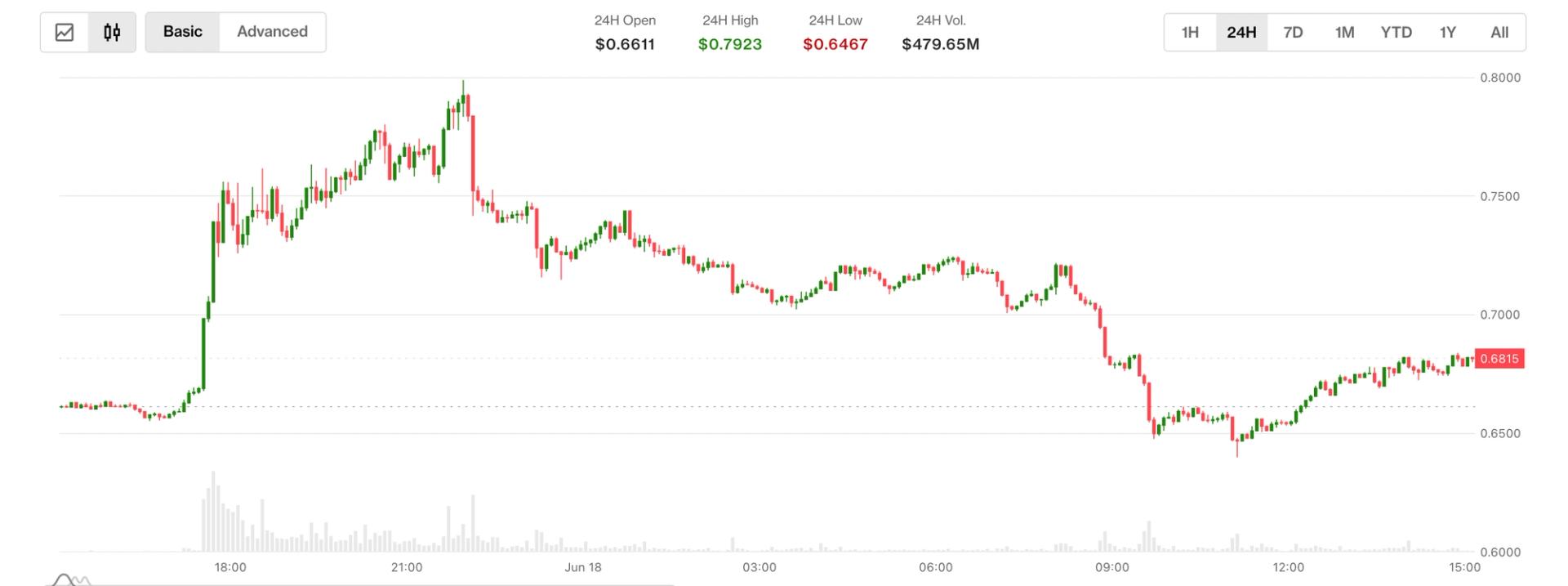
The Aster Protocol recently experienced a notable surge of over 10% following the announcement of its radical buyback and burn upgrade. However, this momentum was short-lived, as the broader market dynamics, influenced heavily by the Federal Reserve's hawkish stance, brought about significant volatility. In this analysis, we will explore the implications of such upgrades amid macroeconomic factors and the potential impact on investors.
The Good: Why the Buyback and Burn Upgrade Matters
The concept of a buyback and burn mechanism is increasingly popular in the crypto space as a way to enhance token scarcity and potentially drive up price. Aster Protocol's decision to implement this strategy indicates a proactive approach to managing its token economics.
Increased Scarcity: By buying back tokens from the open market and subsequently burning them, Aster reduces the total supply of tokens, which can lead to increased demand if the utility of the token remains strong. Scarcity is a foundational principle in economics that typically leads to price appreciation.
Strengthened Investor Confidence: Such moves often signal to investors that the team behind the protocol is committed to enhancing shareholder value. This can attract both existing and new investors who see the potential for long-term growth.
Market Sentiment Shift: In a bearish market, a buyback can positively influence market sentiment, creating a more favorable outlook for the protocol as a whole. Positive news around upgrades can often lead to speculative trading, which can temporarily boost prices even amidst broader market volatility.
The Bad: The Reality of Short-lived Gains
Despite the initial excitement surrounding the buyback and burn upgrade, Aster Protocol's price gains were short-lived. This situation highlights several key challenges:
Macro Factors: The most significant factor contributing to the volatility was the Federal Reserve's hawkish policy announcements. Raising interest rates or maintaining a hawkish stance can lead to reduced liquidity in the market, which impacts risk assets like cryptocurrencies. Investors tend to pull back in such environments, seeking safer assets.
Volatility in Crypto Markets: The cryptocurrency market is notoriously volatile. Positive developments within a protocol can be overshadowed by broader market movements. Therefore, even the most well-received upgrades can struggle to maintain momentum in a turbulent environment.
Speculative Nature: The crypto market's speculative nature can also work against long-term holders. Short-term traders often capitalize on news-related price spikes, leading to rapid sell-offs that can erase gains. Investors looking for stability must be cautious in such environments.
The Ugly: Long-Term Implications for Investors
The dual-edged nature of such upgrades raises questions about the future of Aster Protocol and similar projects in a volatile macroeconomic landscape:
Investor Sentiment: The fleeting nature of the recent price surge may lead to cautious sentiment among investors. The inability to sustain gains could cause some to reassess their positions, influencing long-term price trends.
Market Adaptation: In this rapidly changing environment, protocols must adapt quickly to maintain relevance. Investors will need to closely monitor ongoing developments, especially as the Fed's policies evolve.
Risk Management: For investors, understanding the macroeconomic context becomes crucial. The hawkish Fed suggests that volatility is likely to persist, and investors should consider strategies that include diversification and risk management to navigate these turbulent waters.
Market Context
The macroeconomic environment plays a pivotal role in shaping the fortunes of DeFi projects like Aster Protocol. As the Federal Reserve indicates a more aggressive monetary policy (i.e., raising interest rates), liquidity in the market tends to tighten. This can lead to a downturn in speculative investments, including cryptocurrencies. Furthermore, as risk aversion increases, digital assets often experience broader sell-offs, adversely affecting protocols regardless of their internal developments.
Impact on Investors
The short-term volatility experienced by Aster Protocol serves as a reminder for investors to remain vigilant. The initial gains from the buyback and burn upgrade reflect potential, but the overarching market conditions can dictate price movements in unforeseen ways. As Aster navigates this landscape, investors will need to assess their strategies and remain flexible to adapt to changing conditions.
In summary, Aster Protocol's buyback and burn upgrade showcases both the opportunities and risks present in the DeFi space. While initiatives aimed at improving tokenomics can spur interest and initial price surges, broader market factors ultimately play a crucial role in determining how these developments will be received long-term.