 Go Back


Belarus Expands Financial Horizons by Embracing Cryptocurrency
The recent decision by Belarus to include cryptocurrency as an eligible underlying asset for non-deliverable over-the-counter (OTC) financial instruments marks a significant shift in the country’s financial landscape. This move not only reflects Belarus's commitment to the digital economy but also highlights the growing acceptance of cryptocurrencies in mainstream finance.
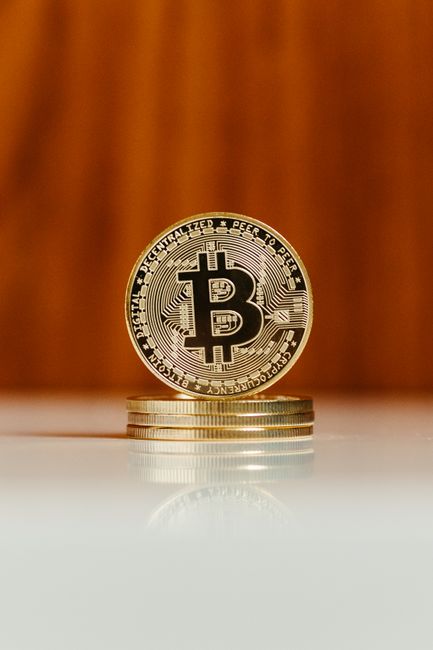
Quick Take
| Aspect | Details |
|---|---|
| Country | Belarus |
| New Regulation | Cryptocurrency eligible for OTC financial instruments |
| Type of Instruments | Non-deliverable OTC financial products |
| Implication | Wider acceptance of crypto in traditional finance; potential for increased investment opportunities |
The Good
Belarus's move to embrace cryptocurrency within OTC frameworks brings several notable benefits:
- Boost to Financial Innovation: By recognizing cryptocurrency as a legitimate asset class, Belarus encourages financial innovation and the development of new financial instruments. This could lead to the creation of sophisticated products that cater to both institutional and retail investors.
- Increased Foreign Investment: This regulatory acceptance may attract foreign investment, as investors often seek environments that are receptive to innovative financial products. The inclusion of cryptocurrencies within OTC instruments positions Belarus as a potential hub for crypto-related investment.
- Enhancement of Financial Stability: Non-deliverable OTC instruments can provide investors with hedging options against currency fluctuations, potentially stabilizing returns in a volatile market.
The Bad
Despite the positive aspects, there are potential drawbacks to this shift:
- Regulatory Risks: The cryptocurrency market is known for its volatility and regulatory uncertainties. Investors may face risks associated with sudden changes in regulation, which could impact the value and usability of cryptocurrencies as underlying assets.
- Market Manipulation: The OTC market can sometimes lack transparency, leading to concerns over market manipulation. The introduction of cryptocurrencies in this space may exacerbate these issues, potentially harming investors.
- Lack of Investor Protection: As cryptocurrencies are still relatively new compared to traditional assets, there may be insufficient investor protections in place. This could lead to significant losses if the market experiences a downturn.
The Ugly
The global macroeconomic context is crucial in understanding the implications of Belarus's regulatory move:
- Geopolitical Factors: Belarus is situated in a politically complex region, and its decision to embrace cryptocurrency could be seen as a strategic move to enhance its economic resilience. However, geopolitical tensions, especially with neighboring countries, can create volatility that may affect the crypto market.
- Potential for Isolation: While Belarus is taking steps to integrate cryptocurrencies, it risks isolation if other nations remain skeptical. The dichotomy between crypto-friendly jurisdictions and those that oppose cryptocurrency can create disparities that affect international investment flows.
Market Context
The inclusion of cryptocurrencies in OTC financial instruments aligns with global trends where countries are increasingly recognizing the importance of digital assets. Countries like El Salvador and recent initiatives from EU nations to regulate cryptocurrencies demonstrate a shift towards broader acceptance. However, Belarus stands out due to its unique position, having a centrally controlled economy juxtaposed with emerging financial technologies.
Impact on Investors
Investors in Belarus and beyond may find new opportunities arising from this regulatory change. The incorporation of cryptocurrencies into OTC instruments could:
- Facilitate New Trading Strategies: Investors can create diversified portfolios that include both traditional and digital assets, potentially stabilizing returns and mitigating risks.
- Encourage Retail Participation: Enhanced legitimacy may encourage more retail investors to participate in the crypto market, driven by innovative products targeting their needs.
- Provide a Hedge Against Inflation: In a time of rising inflation globally, cryptocurrencies could serve as an alternative asset class that offers protection against currency devaluation.
In summary, Belarus's decision to include cryptocurrency as a valid underlying asset for OTC instruments signifies a pivotal moment for the country's financial landscape. As the effects of this regulation unfold, both local and international investors need to navigate the opportunities and challenges that come with such a significant shift in monetary policy. The evolution of cryptocurrency regulation worldwide invites ongoing analysis, especially as other nations observe Belarus's moves and assess their own strategies regarding digital assets.