 Go Back


Binance Limits EU Services Amid MiCA Regulations: A Macro Perspective
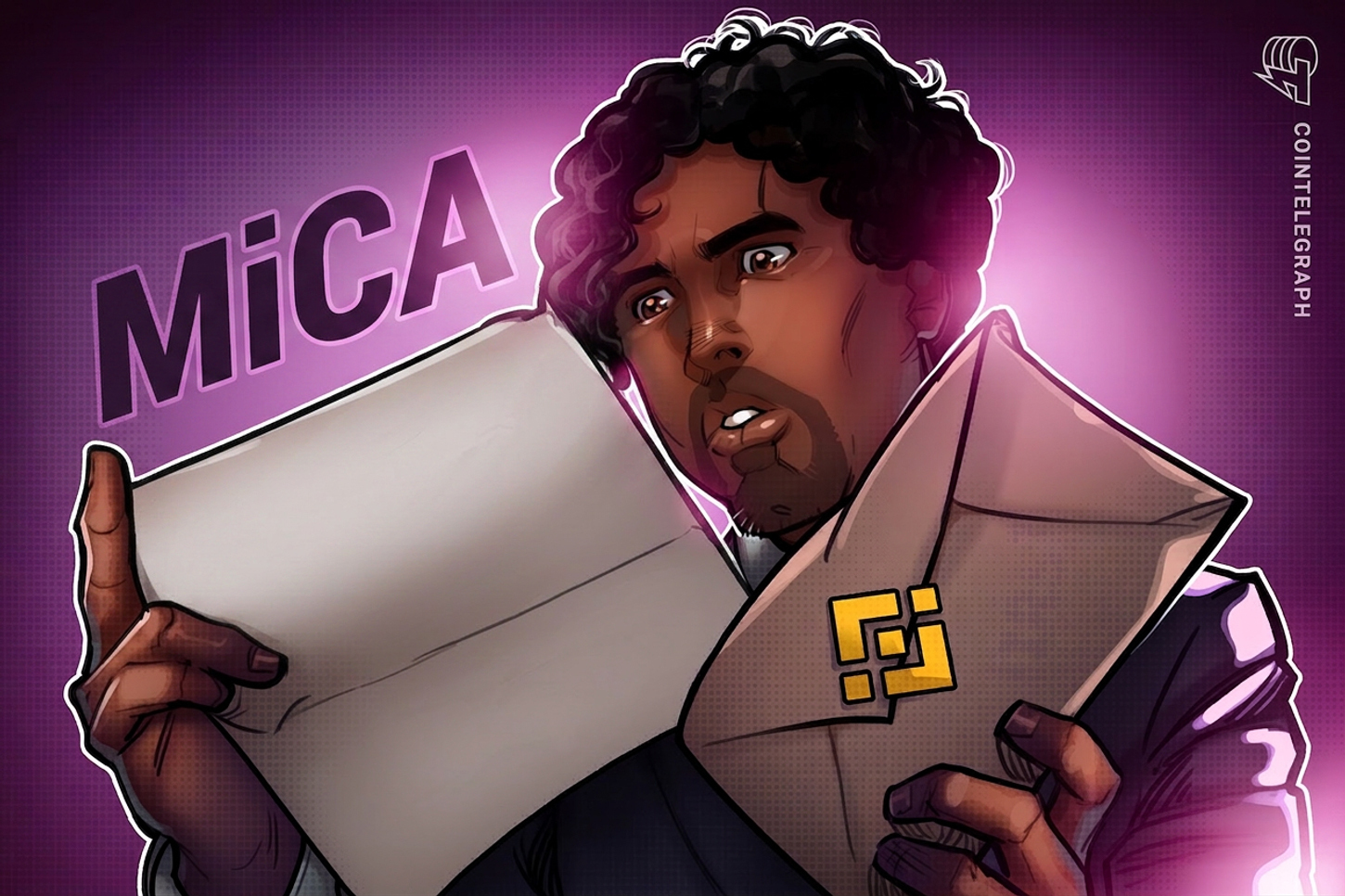
As the landscape of cryptocurrency regulation continues to evolve, one of the most notable developments is the impending implementation of the Markets in Crypto-Assets (MiCA) regulations in the European Union. With the deadline of July 1 looming, Binance, one of the largest cryptocurrency exchanges globally, has announced it will limit its services in the EU after failing to secure the necessary authorizations from a member state. This move has significant implications for both Binance and the broader crypto ecosystem.
Quick Take
| Aspect | Details |
|---|---|
| Regulatory Change | MiCA regulations take effect on July 1, 2023 |
| Impact on Binance | Limited onboarding and services in the EU |
| Withdrawal Status | Withdrawals remain available for users |
| Broader Implications | A shift in the European crypto landscape |
Market Context
The implementation of MiCA marks a pivotal shift in how cryptocurrencies are regulated within the EU. These regulations are designed to create a comprehensive framework that governs crypto assets and exchanges, aiming to enhance consumer protection, financial stability, and market integrity. The MiCA framework will address areas like stablecoins, exchanges, and wallet providers, requiring them to operate under strict guidelines.
For Binance, which has faced scrutiny from various regulatory bodies globally, failing to gain authorization from a member state underscores the challenges many crypto exchanges face in navigating an increasingly complex regulatory environment. The EU's proactive stance with MiCA may serve as a blueprint for other jurisdictions considering similar frameworks.
SWOT Analysis
Strengths
- Global Recognition: Binance remains a leading player in the crypto space, with a strong brand and extensive user base.
- Diverse Offerings: The platform provides a wide range of services, including trading, staking, and a myriad of tokens.
Weaknesses
- Regulatory Scrutiny: Frequent regulatory challenges have led to operational hurdles and a loss of market trust in certain regions.
- Dependence on Compliance: The need to comply with numerous regulations globally can divert resources and focus from innovation.
Opportunities
- Adapting to Regulation: By aligning with MiCA and other regulations, Binance could solidify its reputation and operational legitimacy in key markets.
- Market Expansion: Opportunities to expand services in regions with less stringent regulatory frameworks could facilitate growth.
Threats
- Increased Competition: As regulations tighten, more compliant exchanges could emerge, challenging Binance's market dominance.
- Risk of Fragmentation: Different regulatory approaches across jurisdictions could complicate operations for global exchanges like Binance.
Impact on Investors
The restrictions imposed on Binance's services in the EU can have varied effects on investors. For those based in the EU, the ability to onboard to Binance will be limited, potentially pushing them towards other exchanges or platforms that comply with MiCA regulations. This could lead to a shift in market liquidity and trading volumes, impacting the overall price dynamics of cryptocurrencies traded on Binance.
Investors should remain vigilant about where they conduct their trading activities, especially in light of evolving regulations. The potential for regulatory compliance could result in enhanced trust and security for investors in the long run, as exchanges work to meet these new standards.
Conclusion
The onset of MiCA regulations and Binance’s subsequent service limitations signal a transformative period for the European cryptocurrency market. While the immediate repercussions may seem challenging for Binance, they also present an opportunity for the exchange to reposition itself in compliance with EU standards. Investors and stakeholders must navigate these changes carefully, as they hold the potential to reshape the crypto landscape in Europe and beyond. As regulation continues to evolve, those who adapt swiftly may secure a competitive edge in this dynamic industry.