 Go Back


Bipartisan Wins: The Rise of Crypto PACs in June Primaries
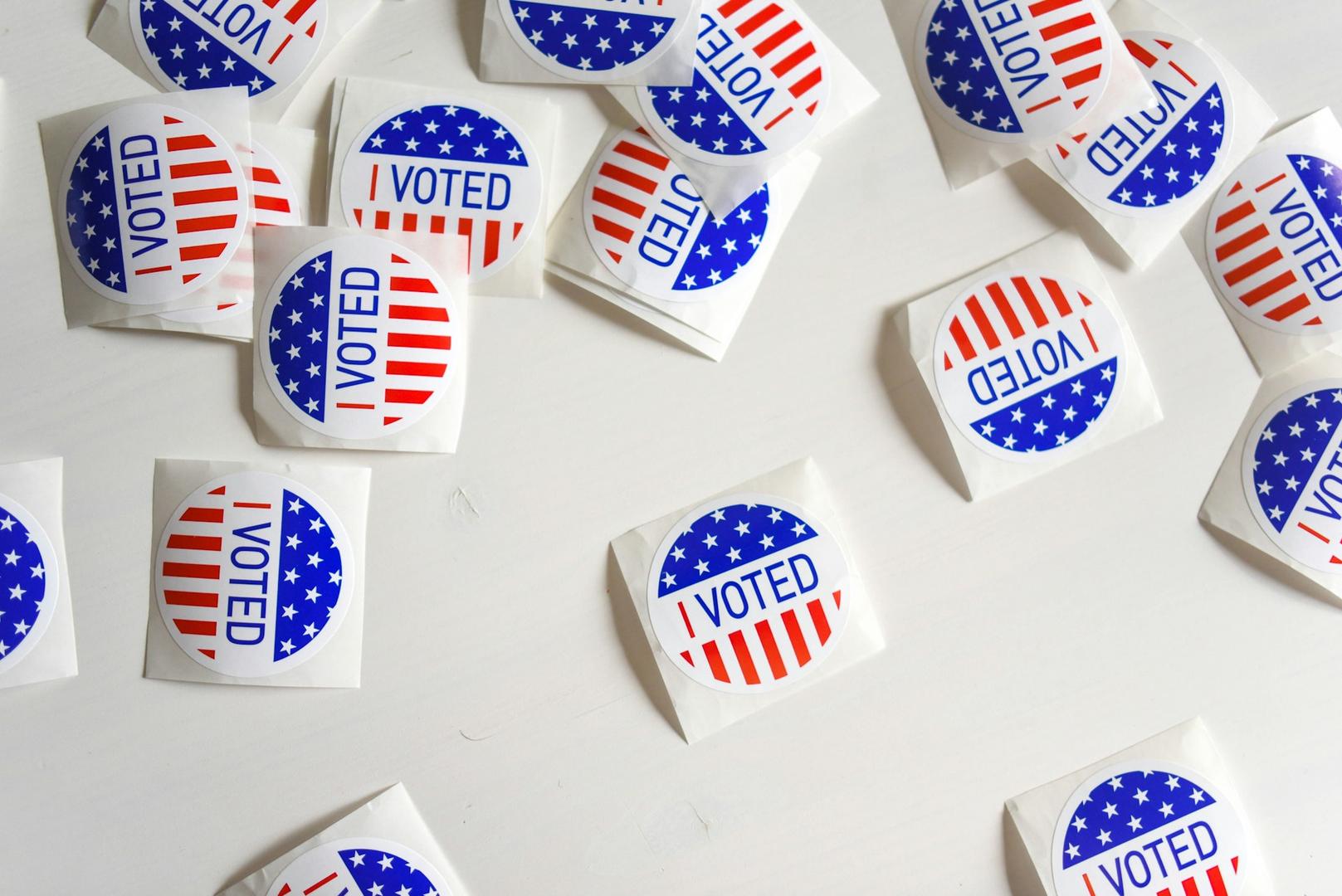
The recent June primaries have showcased a significant trend within the cryptocurrency political action committees (PACs), marked by their unprecedented success, with Fairshake achieving an impressive 11 victories in 11 races. This result signals a shifting landscape in political affiliations regarding cryptocurrency, as both Democratic and Republican candidates rallied support from crypto advocates.
Quick Take
| Key Points | Details |
|---|---|
| Date | June 2026 |
| Success Rate | 11 out of 11 wins for crypto PACs |
| Winning Candidates | 10 Democrats, 1 Republican |
| Notable Winners | Zoe Lofgren, Ted Lieu, Dave Min, Mike Rounds |
The Good: Strengthening Bipartisan Support
The success of crypto PACs like Fairshake in the June primaries reflects an encouraging trend towards bipartisan support for cryptocurrency legislation. The fact that 10 out of the 11 candidates who won are Democrats indicates that the crypto community is gaining traction among liberal policymakers as well. This coalition-building could lead to more comprehensive regulatory frameworks that accommodate diverse political beliefs.
Historically, cryptocurrency has often been viewed through a partisan lens, with Democrats typically more cautious about innovation in finance and Republicans leaning toward deregulation. However, this election cycle has shown that crypto is becoming a unifying issue, advocating for modern financial technologies that appeal to both parties.
The Bad: Potential for Fragmented Regulation
While the victories for crypto PACs are positive, the potential for fragmented regulation still looms. With various states adopting different regulatory approaches, a lack of cohesive federal guidelines may exacerbate the existing confusion among investors and businesses. This fragmented landscape could hinder innovation and deter institutional investment in the sector, as companies will struggle to navigate varying state laws.
Moreover, as more candidates align themselves with crypto, there could be the risk of opportunistic behavior wherein politicians may prioritize short-term gains over long-term regulatory stability. It is crucial for the crypto community to ensure that elected officials understand the importance of a balanced approach to regulation that protects consumers while fostering innovation.
The Ugly: Investor Sentiment and Market Volatility
The interplay between political developments and investor sentiment is a critical factor that can lead to market volatility. As crypto PACs gain influence, any miscalculation in policy can lead to sharp market reactions. Investors may react not just to positive news but also to perceived threats, which could result in drastic fluctuations in cryptocurrency valuations.
Furthermore, the success of crypto PACs could lead to overzealous pushing for legislation that favors certain technologies or platforms over others, creating a winner-takes-all scenario that could stifle smaller, innovative projects. The competitive landscape in crypto is already fragile, and the introduction of politically-driven favoritism could further complicate the market ecosystem.
Market Context
The crypto landscape is evolving against a backdrop of macroeconomic factors, including rising inflation rates, interest rate hikes, and global supply chain disruptions. The push for regulatory clarity in the crypto space is more critical than ever. As seen in the recent June primaries, political affiliation is becoming less of a barrier to adopting digital currencies, suggesting that the broader economic environment is urging lawmakers to embrace technology rather than shy away from it.
The successful candidates' platforms often highlighted the potential for blockchain technology to drive economic growth and innovation, which aligns well with the current economic needs of diversification and modernization.
Impact on Investors
For investors, this surge in bipartisan support is a double-edged sword. On one hand, a favorable regulatory environment can lead to increased adoption and innovation, which often correlates with rising asset values. On the other hand, the risk of sudden policy shifts or inconsistent regulations can create uncertainty, driving volatility in the market.
The recent victories for crypto-friendly candidates may signify a more stable legislative future for crypto assets, but investors need to remain vigilant. Close attention must be paid to how these elected officials will translate their support for crypto into actionable policies that affect market dynamics.
Conclusion
The triumph of crypto PACs in the June primaries highlights a promising shift towards bipartisan support for cryptocurrency regulation. However, the potential for fragmented policies and market volatility remains a concern for investors. The path ahead is laden with opportunities and challenges, requiring a careful balancing act to ensure that the benefits of innovation are realized without compromising consumer protection and market stability.