 Go Back

Bitcoin Hits $74K as Geopolitical Tensions Rise: An Analysis
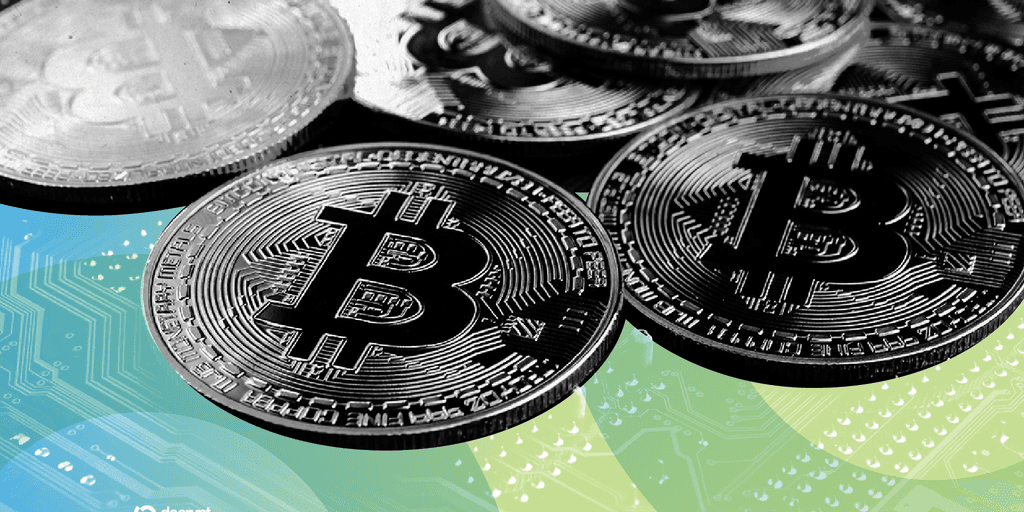
Bitcoin has recently seen a significant resurgence, reaching $74,000 amidst escalating geopolitical tensions, particularly the ongoing conflict between the U.S. and Iran. This situation raises numerous questions about the implications for Bitcoin, its market dynamics, and investor behavior. Let's delve into the current state of affairs, providing a comprehensive analysis of how global events influence cryptocurrency markets.
Quick Take
| Metric | Value |
|---|---|
| Bitcoin Price | $74,000 |
| Current Conflict | U.S.-Iran |
| Weeks in Conflict | 3 |
| Expert Sentiment | Cautious |
Current Market Context
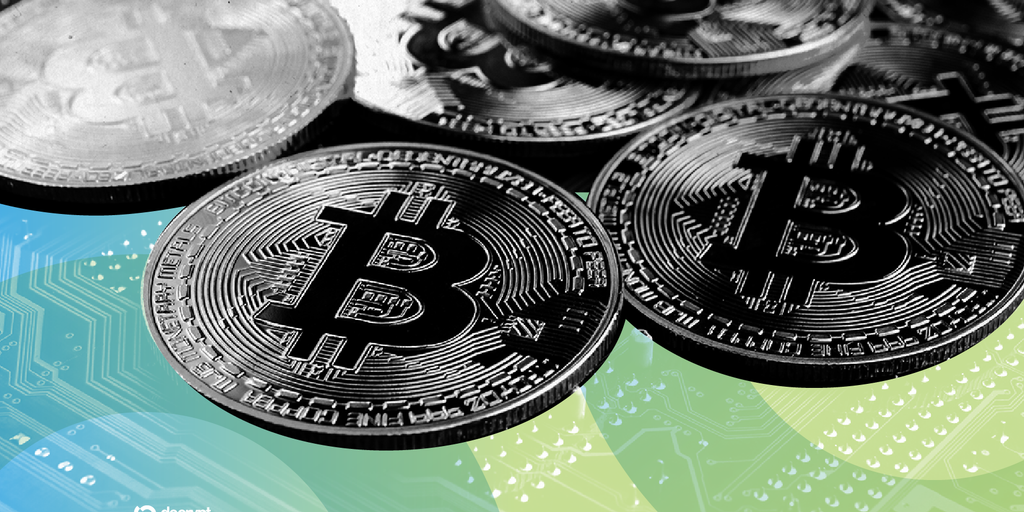
As the world grapples with increasing geopolitical instability, Bitcoin has emerged as an attractive asset class for many investors seeking a hedge against traditional financial systems. The cryptocurrency's recent climb to $74,000 can be attributed to several factors:
Flight to Safety: Historically, during times of crisis, both individuals and institutions have sought refuge in assets that promise security and potential for appreciation. Bitcoin, often compared to gold, has seen a surge in demand as investors diversify their portfolios amid uncertainties.
Speculative Trading: The recent price surge also reflects speculative trading behavior. Retail investors, spurred by news cycles and the potential for significant gains, are entering the market, driving prices higher.
Technical Analysis: Market analysts note that certain technical indicators signaled a bullish trend, encouraging traders to hop on the Bitcoin bandwagon, further pushing the price upwards.
Historical Context
To understand the implications of Bitcoin's rise amidst geopolitical conflict, it is essential to consider historical precedents. Bitcoin's value often correlates with global events that create economic uncertainty. Notable instances include:
- COVID-19 Pandemic: In early 2020, Bitcoin's price initially dipped but quickly recovered as governments worldwide announced stimulus packages, leading to fears of inflation.
- Russia-Ukraine Conflict: In early 2022, Bitcoin experienced volatility but eventually benefited from increased interest as a decentralized asset in contrast to traditional fiat currencies.
These patterns suggest that Bitcoin can thrive even in turbulent times, but caution is warranted, as the market is susceptible to rapid shifts based on news cycles.
Impact on Investors
While Bitcoin's recent surge may seem enticing, experts advise a cautious approach for investors. Here are some critical considerations:
1. Short-Term Volatility
The cryptocurrency market is infamous for its volatility. As geopolitical tensions escalate, prices can fluctuate significantly, making it essential for investors to have a well-defined risk management strategy.
2. Long-Term Positioning
Investors with a long-term view may find current price levels appealing, especially if they believe in Bitcoin's underlying fundamentals. However, it is vital to assess potential impacts from geopolitical tensions, regulatory changes, and macroeconomic trends.
3. Diversification is Key
Given the unpredictable nature of both crypto markets and geopolitical events, diversification remains a crucial strategy. Investors should consider a balanced portfolio that includes a range of asset classes to mitigate risk.
Expert Opinions
Despite the optimism surrounding Bitcoin's price movement, experts maintain a cautious outlook. The geopolitical landscape remains volatile, and any sudden escalation could lead to market corrections. Investors are urged to stay informed and prepared for potential market shifts.
Conclusion
The rise of Bitcoin to $74,000 amidst the U.S.-Iran conflict highlights the cryptocurrency's role as a potential safe haven in times of uncertainty. As geopolitical tensions continue to unfold, investors should remain vigilant and adopt a prudent approach to their investment strategies. The long-term implications of these developments are still uncertain, but one thing is clear: Bitcoin's resilience in the face of adversity will continue to attract attention in the global financial landscape.