 Go Back


Bitcoin and Altcoin Market Faces 'Extreme Fear' Amid Economic Uncertainty
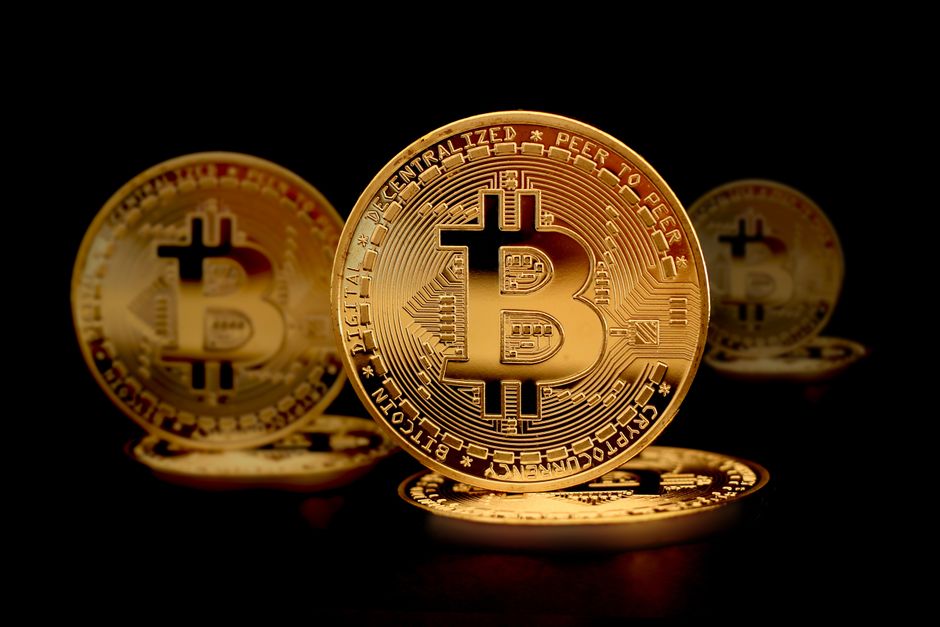
The cryptocurrency market has recently experienced a notable downturn, with Bitcoin, Ethereum, XRP, and Dogecoin all sliding amid a prevailing sentiment of 'extreme fear.' Analysts are highlighting the current dynamics, noting that around half of Bitcoin's circulating supply is under this pressure, reflecting broader concerns regarding the global macroeconomic landscape.
Quick Take
| Cryptocurrency | Current Price | Market Sentiment | Notes |
|---|---|---|---|
| Bitcoin (BTC) | $X,XXX | Extreme Fear | Half of circulating supply under pressure |
| Ethereum (ETH) | $X,XXX | Extreme Fear | Market affected by BTC slide |
| XRP | $X.XX | Extreme Fear | Regulatory concerns |
| Dogecoin (DOGE) | $X.XX | Extreme Fear | Meme-based volatility |
Market Context
The current state of the cryptocurrency market cannot be viewed in isolation; it is deeply intertwined with the global macroeconomic climate. Factors such as inflation rates, interest rate hikes by central banks, and geopolitical uncertainties are creating a perfect storm for risk assets, including cryptocurrencies.
Inflation and Interest Rates
Rising inflation has compelled central banks across the globe, notably the Federal Reserve, to adopt a more aggressive monetary policy stance. The increase in interest rates tends to exert downward pressure on asset prices, particularly speculative assets like cryptocurrencies. Investors often retreat to safer havens during periods of uncertainty, leading to the current 'extreme fear' sentiment reflected in various fear and greed indices.
Geopolitical Tensions
Ongoing geopolitical issues, including conflicts and trade tensions, exacerbate this fear, causing investors to reassess their risk tolerance. The implications of these macroeconomic factors are particularly pronounced in a volatile market like cryptocurrencies, where sentiment swings can be drastic and rapid.
Impact on Investors
For investors, the current sentiment of fear presents both risks and opportunities. Understanding the psychological aspect of market movements is crucial:
Risks
- Market Volatility: The extreme fear can lead to increased volatility, resulting in sharp price fluctuations that can affect investment portfolios.
- Panic Selling: Fear can drive investors to liquidate their holdings, often at a loss, exacerbating downward price pressure.
- Regulatory Concerns: Cryptocurrencies are also facing heightened scrutiny from regulatory bodies, which can impact market stability and investor confidence.
Opportunities
- Buying the Dip: Savvy investors might view this 'extreme fear' as a chance to accumulate assets at lower prices, given their belief in long-term recovery.
- Diversification: The current conditions can encourage diversification within portfolios, leading investors to explore different cryptocurrencies or even traditional assets as a hedge.
- Long-term Vision: Investors with a long-term perspective may find that the current market dynamics will eventually yield favorable conditions for Bitcoin and other cryptocurrencies, as the underlying technology and use cases evolve and mature.
Future Predictions
The trajectory of cryptocurrencies like Bitcoin and Ethereum in the face of 'extreme fear' is complex and uncertain. Historically, the market has shown resilience after prolonged periods of downturn, often bouncing back stronger. The key factors to watch include:
- Regulatory Developments: How governments and regulatory bodies respond to the growing crypto market will play a vital role in its stabilization or further volatility.
- Investment Trends: Analyzing investment flow into Bitcoin and other cryptocurrencies will provide insights into market sentiment. If institutional interest remains strong despite fear, it may indicate a recovery.
- Technological Advancements: Innovations within blockchain technology and the crypto space can also create new value propositions, attracting both retail and institutional investors.
In summary, the current state of 'extreme fear' in the cryptocurrency market presents a complex scenario driven by macroeconomic factors, investor psychology, and the evolving regulatory landscape. Navigating this environment will require both caution and strategic foresight from investors.
Conclusion
The cryptocurrency market is facing a significant test as it grapples with global economic challenges while trying to maintain its footing. Understanding these dynamics will be crucial for those looking to engage with this market in the coming months.