 Go Back


Bitcoin Approaches $63K Amid Fed Rate Hike Speculations
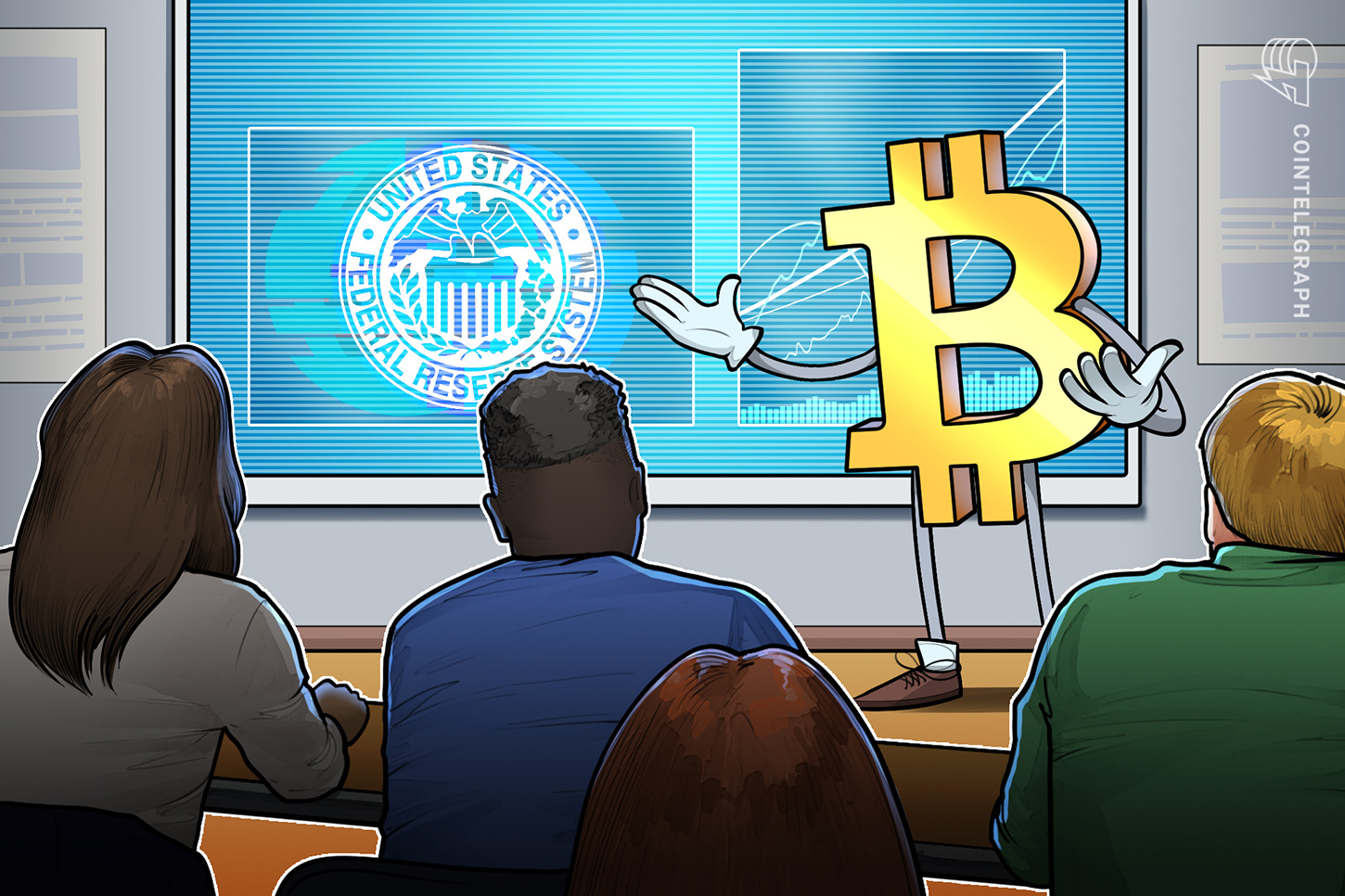
On Juneteenth, Bitcoin made headlines by tapping $63,000, demonstrating resilience in the face of macroeconomic pressures. This price climb occurred even as speculation around a potential Federal Reserve rate hike gained traction, with the odds nearing 40%. Coupled with geopolitical tensions surrounding the Strait of Hormuz, the price action raises critical questions for investors focusing on Bitcoin and the broader cryptocurrency landscape.
Quick Take
| Key Insight | Details |
|---|---|
| Bitcoin Price | $63,000 as of Juneteenth |
| Fed Rate Hike Odds | Approximately 40% for July |
| Geopolitical Tensions | Heightened focus on the Strait of Hormuz |
Market Context
The cryptocurrency market has often mirrored traditional financial systems, especially in response to macroeconomic indicators. The recent Federal Reserve meeting, perceived as hawkish, sent ripples through global markets, including cryptocurrencies.
Historically, when the Fed signals potential rate hikes, it generally leads to a tightening of liquidity. This can cause asset prices to pull back as investors reassess their risk exposure. However, Bitcoin’s ability to hold its ground, even momentarily reaching $63,000, indicates a growing resilience in the market. It suggests that many investors view Bitcoin not just as a speculative asset but also as a store of value, akin to digital gold, especially in an environment marked by increasing inflation and economic uncertainty.
The heightened odds of a rate hike in July and beyond could have far-reaching implications. If the Fed follows through with tightening measures, it can create a challenging environment for risk assets, including cryptocurrencies, as capital may be diverted towards safer investments. However, Bitcoin’s narrative as a hedge against inflation may attract more institutional interest, especially if traditional markets respond negatively to rate hikes.
Impact on Investors
For investors, the current climate presents a dual-edged sword. On one hand, Bitcoin’s recent price movement signals potential bullish sentiment. A sustained price above $60,000 could lead to increased FOMO (Fear of Missing Out) among retail investors, driving prices even higher. On the other hand, the looming rate hike and geopolitical uncertainties may prompt a more cautious approach. Here are some considerations for investors:
Positive Indicators:
- Institutional Adoption: As Bitcoin prices stabilize, institutional players may continue to enter the market, providing much-needed liquidity. This could support prices even in a tightening environment.
- Inflation Hedge: Bitcoin's narrative as an inflation hedge may resonate more strongly among investors facing rising prices, further entrenching its position as a preferred asset.
Risks to Consider:
- Rate Hikes: Potential rate increases could lead to reduced liquidity, which may negatively affect Bitcoin’s price momentum.
- Geopolitical Tensions: Situations like the one in the Strait of Hormuz can create volatility, impacting market sentiments and, consequently, Bitcoin’s price.
Historical Context
Historically, Bitcoin has shown a unique resilience to macroeconomic shocks. For instance, during the onset of the COVID-19 pandemic in March 2020, Bitcoin dropped significantly but rebounded to new all-time highs as government stimulus flooded the economy. The correlation between Bitcoin's price and macroeconomic factors is becoming increasingly evident, as seen in the current situation.
As central banks worldwide face pressure to manage inflation while maintaining economic growth, Bitcoin could either thrive as an alternative asset or face challenges as liquidity tightens. Investors need to stay informed on these macroeconomic factors to navigate the complex landscape effectively.
Future Predictions
Looking ahead, the interplay between Bitcoin's price action and macroeconomic policy will be pivotal. If the Fed opts for aggressive rate hikes, it may create headwinds for Bitcoin in the short term. However, if inflation remains persistent, Bitcoin could continue to attract investors as a viable alternative.
Additionally, ongoing geopolitical tensions could further influence market sentiment, highlighting Bitcoin’s potential as a decentralized, borderless asset that can serve as a refuge during times of uncertainty. The coming months will be crucial for Bitcoin investors, with the potential for either significant gains or necessary recalibrations based on macroeconomic signals.
In summary, while Bitcoin's recent price action is commendable, investors should remain vigilant about the broader economic indicators and geopolitical landscapes that could impact future performance. As we look towards July and beyond, understanding these dynamics will be essential for navigating the complex and often unpredictable world of cryptocurrency investment.