 Go Back


Bitcoin Approaches $75,000 Amid Market Reactions to Fed Nominee
As the cryptocurrency market continues to navigate the intricacies of macroeconomic influences, Bitcoin is currently sliding towards the pivotal $75,000 mark. This shift follows statements made during the Senate confirmation hearing for the Federal Reserve Chair nominee, which has left investors and market analysts keenly observing the interplay between fiscal policy and crypto valuations.
Quick Take
| Key Points | Insights |
|---|---|
| Current Bitcoin Price | Approaching $75,000 |
| Recent Market Movement | S&P 500 and Nasdaq decline |
| Focus of Discussion in Senate Hearing | Fed Chair nominee and rate policies |
| Overall Market Reaction | Increased caution among investors |
Market Context
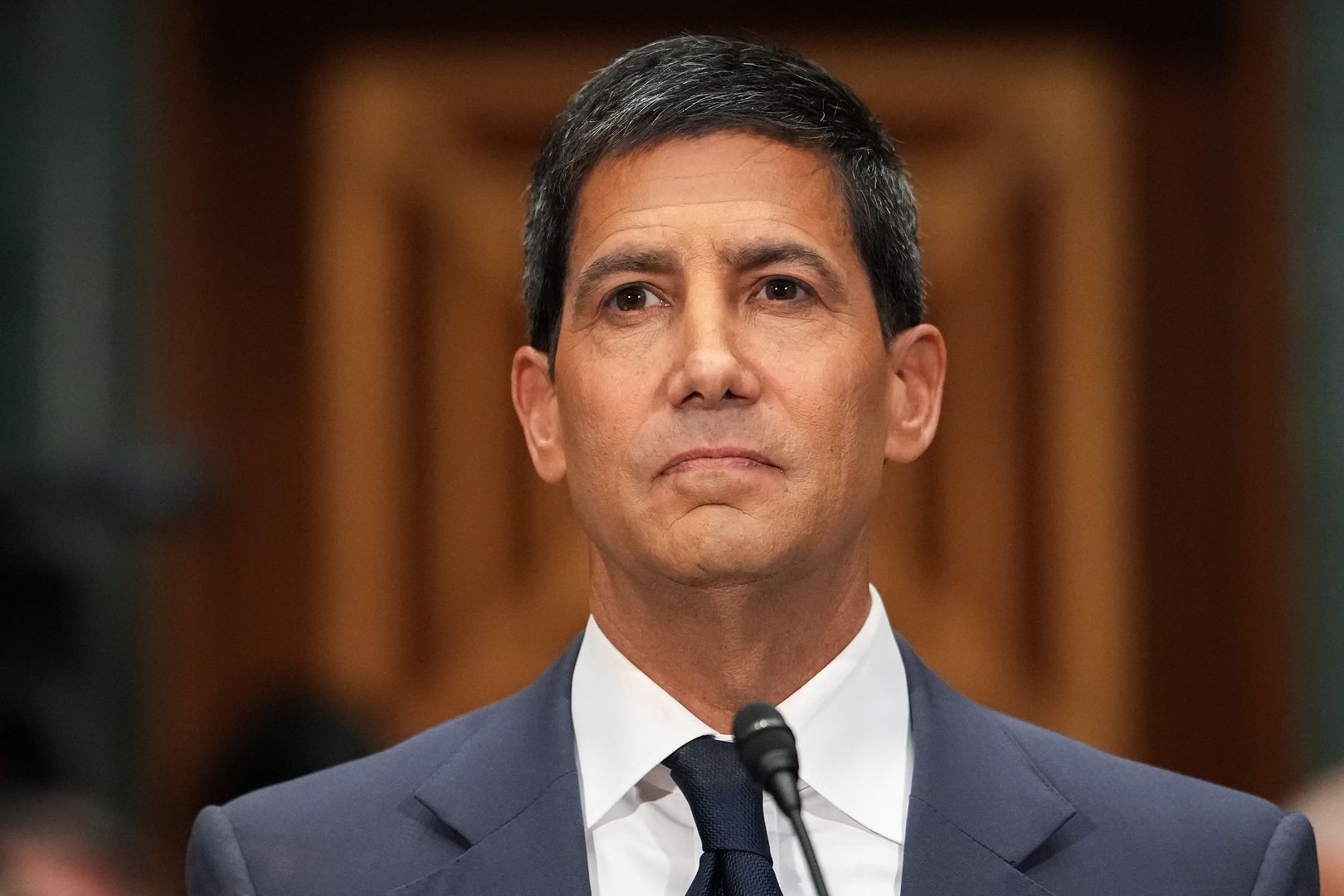
The current slide in Bitcoin's price can be attributed to broader market dynamics influenced by the ongoing Senate hearing for the Federal Reserve Chair nominee, Philip Warsh. Historically, the role and policies of the Fed have far-reaching implications for asset classes, including cryptocurrencies.
- Impact of Fed Policies: The Fed’s monetary policy decisions directly affect liquidity in the financial markets, influencing risk appetite among investors. If Warsh's confirmation indicates a tightening of monetary policy, we might see a further decline in risk assets like Bitcoin.
- Investor Sentiment: The market often reacts to remarks from Fed officials, interpreting them as signals regarding future economic conditions. The uncertainty surrounding potential interest rate hikes can lead to increased volatility in cryptocurrencies, which are already known for their price fluctuations.
Impact on Investors
For investors, the current state of Bitcoin presents both challenges and opportunities. Understanding the macroeconomic backdrop is essential for making informed investment decisions. Here are several considerations:
- Market Volatility: As seen in recent trading sessions, Bitcoin is sensitive to macroeconomic news. Investors must brace for potential volatility as the market digests the implications of Fed policies.
- Long-term vs. Short-term Strategies: With Bitcoin nearing the $75,000 threshold, investors should evaluate their positions. Long-term holders may see this as an opportunity to accumulate, while those with short-term positions may consider profit-taking before potential further declines.
- Diversification: Given the possibility of adverse reactions to monetary policies, diversifying investment portfolios may mitigate risk. With Bitcoin’s potential high volatility, including other asset classes can stabilize overall portfolio performance.
Historical Context
Historically, Bitcoin has shown resilience and adaptability to various macroeconomic climates. The cryptocurrency was born out of the 2008 financial crisis, making it particularly appealing during periods of economic uncertainty. Notably, instances of Bitcoin price rallies often coincide with expansive monetary policies or significant economic disturbances.
- 2020-2021 Bull Run: During the pandemic, expansive fiscal measures led to an influx into cryptocurrencies, with Bitcoin reaching all-time highs. The correlation between economic stimulus and Bitcoin’s price surge highlights the cryptocurrency's role as a hedge against inflation.
- Interest Rate Hikes: Conversely, periods marked by anticipated interest rate hikes generally see Bitcoin and other risk assets experience a downturn, as investors pivot to safer, traditional asset classes.
Future Predictions
As we look ahead, the interplay between Bitcoin's value and future Fed policies will be paramount.
- Should Warsh be confirmed: His potential approach towards interest rates could dictate market sentiments. A hawkish stance may lead to increased selling pressure on Bitcoin, while a dovish tone could reignite investor confidence.
- Bitcoin’s Role in the Economy: As a decentralized asset, Bitcoin's appeal may grow as a hedge against inflation, particularly in a world where traditional currencies face devaluation risks due to aggressive monetary policies.
In conclusion, Bitcoin's journey towards the $75,000 mark is not merely a reflection of its internal dynamics but is profoundly influenced by macroeconomic factors and sentiment. Stakeholders in the cryptocurrency market must remain vigilant and informed as they navigate this complex landscape.