 Go Back


Bitcoin's Bear Market Bottom Signal: Insights and Implications
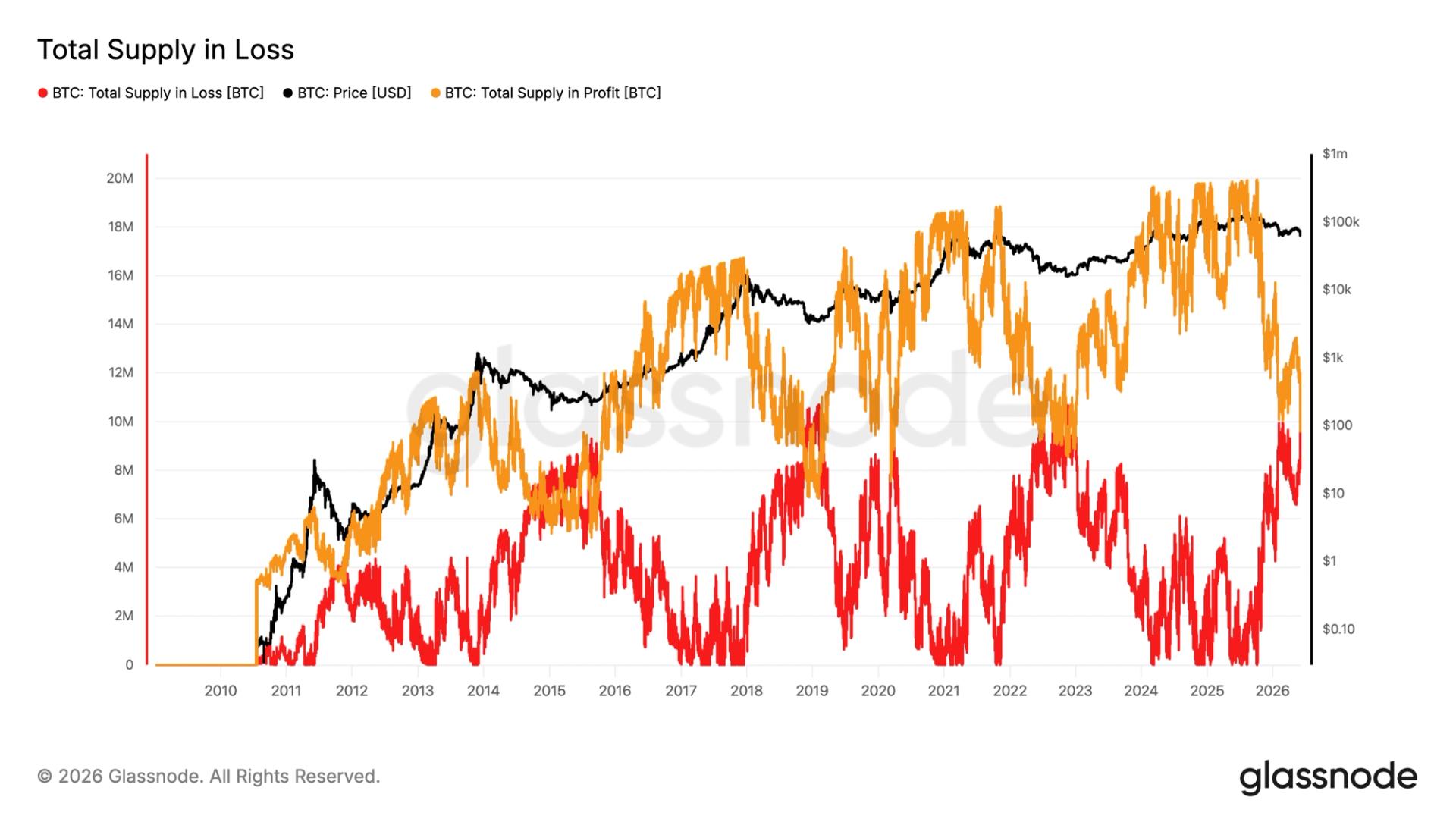
The cryptocurrency market is no stranger to volatility, and amidst the current turbulence, a significant trend has emerged. Recent reports indicate that more than half of the Bitcoin in circulation is currently held at unrealized losses, as the price of BTC tests historically significant bear-market support levels. This phenomenon has drawn attention to a particular Bitcoin metric that has accurately predicted the bottom of previous bear markets. Let’s delve into its implications for the current market landscape.
Quick Take
| Metric | Current Status | Historical Context | Implications |
|---|---|---|---|
| Unrealized Losses | Over 50% of BTC | Precedes market bottoms | Potential buying opportunity |
| Price Support Levels | Testing bear-market support | Historical relevance | Possible trend reversal |
| Market Sentiment | Bearish | Often leads to price recovery | Investor caution required |
The Good
The current situation isn't entirely bleak for Bitcoin enthusiasts. The fact that more than half of circulating Bitcoin is at an unrealized loss reflects a confluence of factors, primarily market corrections and investor sentiment. This metric has historically signaled that Bitcoin is nearing a bottom phase in its cycles, making it an attractive entry point for long-term investors looking to capitalize on lower prices. Moreover, the testing of historically significant support levels indicates that Bitcoin’s price has a chance to stabilize and potentially rebound.
One of the notable advantages of this situation is the increased institutional interest in Bitcoin. As prices dip, institutions that have been on the sidelines may find themselves compelled to enter the market, especially when the metrics suggest potential recovery. This influx of capital can provide much-needed liquidity and support for the price.
The Bad
On the flip side, the current scenario highlights several concerns. The unrealized losses indicate that many investors are experiencing pain, which can lead to panic selling. Historically, significant selling pressure in response to losses has exacerbated downturns, creating a vicious cycle that can take longer for the market to recover from. Additionally, a bearish sentiment prevails in the market, leading many investors to adopt a wait-and-see approach rather than deploying capital.
Moreover, there’s a growing narrative around regulatory scrutiny of cryptocurrencies, which could further exacerbate investor uncertainty. Potential regulations could impact trading volume and liquidity, slowing down Bitcoin's recovery process even if the current metrics suggest a bottom.
The Ugly
The ugliest aspect of this bear market is the psychological toll on investors. Many are now feeling the weight of unrealized losses, leading to a higher likelihood of emotional decision-making. This could result in irrational sell-offs, further driving down prices. The crypto market is notorious for its speculative nature, and as fear takes over, it often leads to an oversold market that can take time to recover.
Moreover, while historical data shows that Bitcoin has rebounded from prior bear markets, there is no guarantee that this trend will continue. The market dynamics today are significantly different from previous cycles, with macroeconomic factors such as inflation, interest rates, and global economic conditions all playing a role in price fluctuations. This makes predicting a recovery even more uncertain.
Market Context
The current economic climate is characterized by inflationary pressures and tightening monetary policy. These macroeconomic conditions directly influence investor behavior and market dynamics in the cryptocurrency space. As traditional markets face uncertainty, many traders and investors are turning to Bitcoin as a hedge against inflation, which has historically bolstered its price. However, the rising interest rates can lead to increased capital costs, dampening investment appetite in higher-risk assets, including cryptocurrencies.
Historical Comparisons
Historically, Bitcoin has experienced four major cycles of boom and bust, each with its own unique circumstances. The patterns of unrealized losses and subsequent recovery have been well documented, leading many analysts to argue that the current metrics could signal an impending turnaround. The past performance of Bitcoin shows resilience, yet the external economic pressures of today could challenge its historical recovery patterns.
Impact on Investors
For investors, this period presents both opportunities and risks. Understanding the metrics behind unrealized losses and support levels can empower investors to make informed decisions. Long-term holders may view current prices as an attractive entry point, while short-term traders may need to tread carefully due to the prevailing market sentiment.
Strategic Considerations
- Assess Risk Tolerance: Investors should evaluate their risk tolerance in light of current market volatility.
- Diversification: Adding a diversified portfolio can mitigate losses during downturns.
- Educate: Keeping abreast of market trends and historical data can help refine investment strategies.
- Patience: History suggests that those who hold during turbulent times often reap rewards.
As the situation unfolds, staying informed and adaptive will be crucial for navigating the complexities of the cryptocurrency market.