 Go Back


Understanding the Bitcoin Bear Market: A Four-Year Cycle Analysis
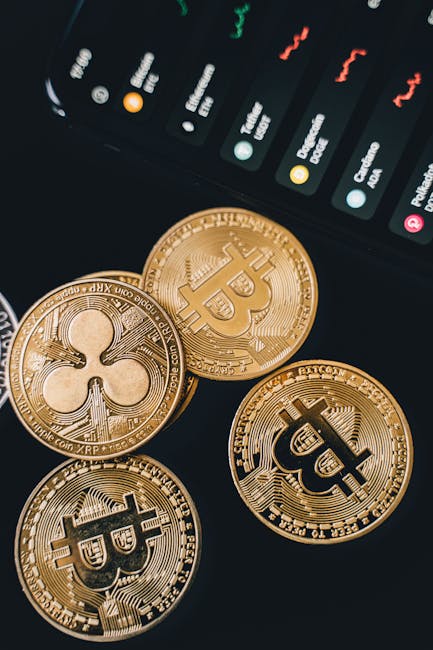
The cryptocurrency market is notoriously volatile, with Bitcoin often leading the charge in both bullish and bearish trends. Recent analyses indicate that the current Bitcoin bear market could extend until Q4, raising questions about the underlying cycles that govern this digital asset's price movements. This article delves into the concept of the four-year cycle in Bitcoin's history, its implications for investors, and the broader macroeconomic context in which this bear market is occurring.
Quick Take
| Factor | Details |
|---|---|
| Current Market Phase | Bear Market |
| Predicted Duration | Till Q4 2023 |
| Historical Context | Four-Year Cycle Theory |
| Key Drivers | Macro-economic factors, investor sentiment |
| Potential Outcomes | Price recovery, market stabilization |
The Good: The Four-Year Cycle Theory
The four-year cycle theory posits that Bitcoin operates within a predictable pattern primarily driven by its halving events. These halving events, which occur approximately every four years, reduce the reward for mining Bitcoin, thus curtailing the supply and theoretically leading to price increases over time. Historically, each post-halving phase has seen significant price surges, often culminating in new all-time highs.
For instance, after the halving in May 2020, Bitcoin experienced an astronomical rise, reaching nearly $65,000 by April 2021. Following this historical precedent, some analysts posit that the current bear market could simply be a consolidation phase preceding the next bullish run, with Q4 2023 marking the potential turning point.
The Bad: Current Market Conditions
Despite the optimistic long-term outlook, the current market is fraught with challenges. Economic factors such as rising inflation rates, interest rate hikes by central banks, and geopolitical tensions have contributed to bearish sentiments among investors. The correlation of Bitcoin with traditional markets has also intensified, leading to price movements influenced more by macroeconomic trends than by cryptocurrency-specific events.
Furthermore, a waning interest in speculative trading and an increase in regulatory scrutiny are stifling growth. Many investors are adopting a cautious approach, prioritizing capital preservation over aggressive investments, which could further prolong bearish conditions.
The Ugly: Impact on Investors
For retail investors, the prolonged bear market can prove psychologically taxing. The emotional toll of seeing asset values decline can lead to panic selling, exacerbating market downturns. As the bear market drags on, the fear of missing out (FOMO) shifts to fear, driving erratic decision-making.
Moreover, the failure to recover within a reasonable timeframe could lead many investors to abandon the crypto space altogether, creating a cycle of disillusionment that may be hard to reverse. Institutional investors, however, might take a different approach, viewing this as a buying opportunity to accumulate at lower prices, potentially setting the stage for a robust recovery when market conditions improve.
Market Context: Navigating the Landscape
In the broader economic landscape, various factors weigh heavily on Bitcoin's performance. The ongoing inflationary pressures have prompted many to consider Bitcoin as a hedge against currency devaluation. However, the effectiveness of Bitcoin as a safe haven asset remains under scrutiny, particularly as it correlates with risk assets like tech stocks.
As central banks tighten monetary policies to combat inflation, the liquidity in markets tends to shrink, impacting speculative assets like Bitcoin. Investors are keenly watching the Federal Reserve's rhetoric and policy adjustments, as these will likely dictate Bitcoin's short-term trajectory.
Future Predictions: What Lies Ahead?
If historical patterns hold true, the current bear market may soon pave the way for a resurgence. As we approach the latter part of 2023, should macroeconomic conditions begin to stabilize, a rally might be anticipated, particularly if investor sentiment shifts positively.
The Bitcoin market's cyclical nature, as evidenced by past performance, suggests that patience may reward long-term holders. As the next halving approaches, it could reignite bullish momentum, provided that external economic forces align favorably.
In summary, while the current bear market persists, understanding the four-year cycle could provide investors with insights into future opportunities. Historical data suggests that recovery is possible, and with careful navigation through economic and market conditions, the long-term outlook for Bitcoin remains promising. As always, informed decision-making will be crucial for those looking to weather the storm and capitalize on potential rebounds in this dynamic market.
Tags
- Bitcoin
- Cryptocurrency
- Market Analysis
- Economic Trends
- Investor Insights