 Go Back


Bitcoin Cash and Cardano Underperform: A Macroeconomic Perspective
The world of cryptocurrency is often volatile, reflecting not just market sentiment but broader macroeconomic conditions. Recently, both Bitcoin Cash (BCH) and Cardano (ADA) have reported declines, with BCH dropping 3.1% and ADA falling by 2.8%. This post delves into the implications of these movements within the context of global economic trends and investor sentiment.
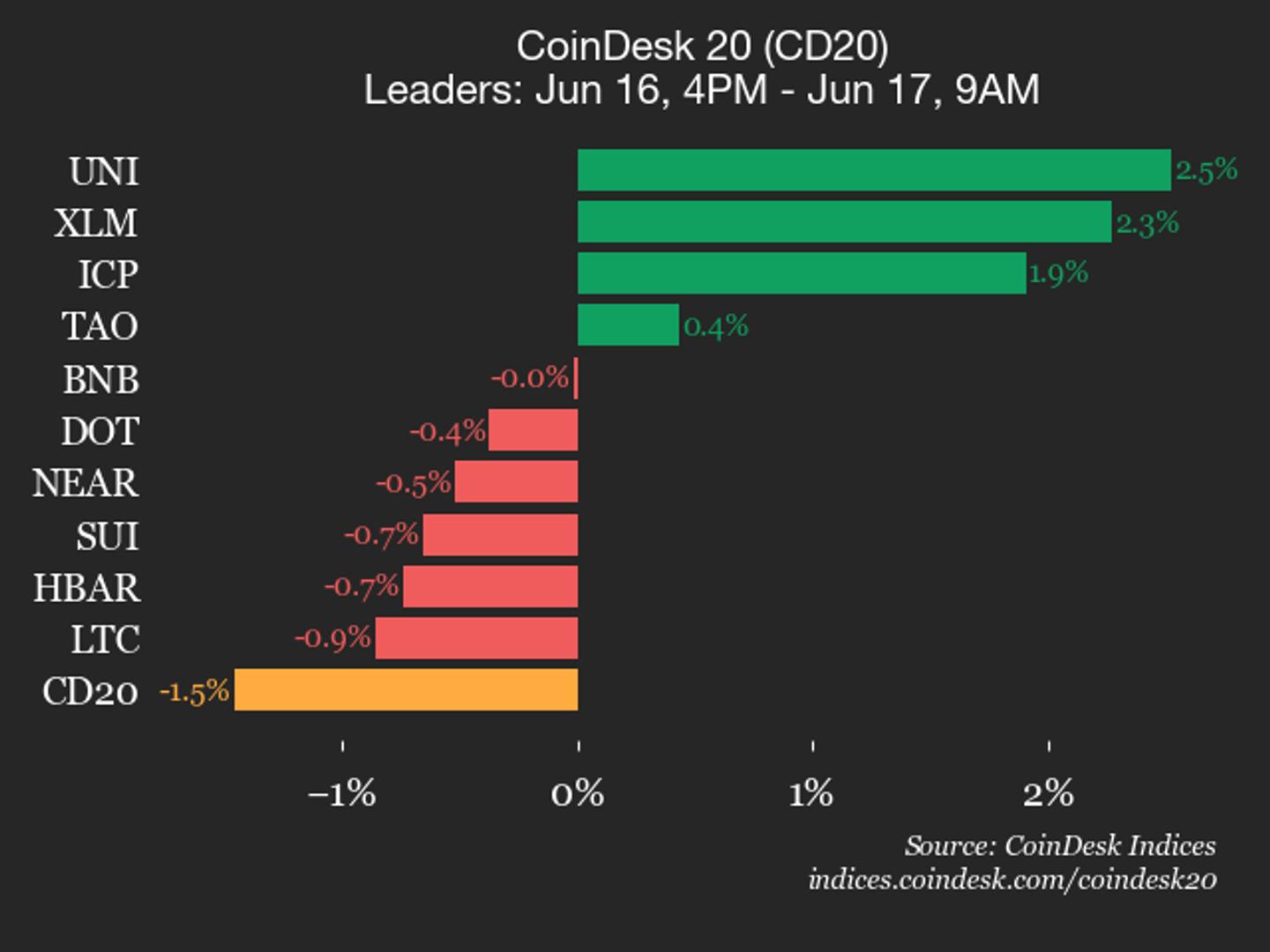
Quick Take
| Asset | Price Change (%) | Market Sentiment |
|---|---|---|
| Bitcoin Cash (BCH) | -3.1% | Bearish |
| Cardano (ADA) | -2.8% | Bearish |
Market Context
Recent Performance of Bitcoin Cash and Cardano
Bitcoin Cash, a fork of Bitcoin aimed at providing a fast and cost-effective payment solution, has seen a notable decrease in its value. The 3.1% drop reflects not only a reaction to market dynamics but also the ongoing competition within the crypto space. Similarly, Cardano, which has positioned itself as a leading platform for smart contracts and decentralized applications, faced a 2.8% decline, indicating a broader trend affecting altcoins.
Broader Economic Factors
The performance dips of BCH and ADA cannot be viewed in isolation. They are occurring against the backdrop of a complex global macroeconomic environment. Factors such as rising interest rates, inflationary pressures, and geopolitical tensions contribute to investor unease. Central banks worldwide are tightening monetary policy, which usually leads to risk-off sentiment in financial markets, including cryptocurrencies.
Historical Context
Historically, altcoins like Bitcoin Cash and Cardano have shown significant correlations with Bitcoin’s movements and broader financial market trends. For instance, during bullish phases, altcoins often outperform Bitcoin, driven by speculative trading and heightened interest in decentralized finance (DeFi) applications. Conversely, in bearish conditions, such as the current state, altcoins tend to underperform, as risk-averse investors gravitate towards Bitcoin or stable assets.
In the previous bull cycle of 2020 and 2021, we saw BCH and ADA reaching all-time highs. However, as the market matured and regulatory scrutiny increased, many altcoins experienced sharp corrections, which continues to shape their volatility in today’s economic climate.
Impact on Investors
Short-term Implications
For investors, the recent downturn of Bitcoin Cash and Cardano signals caution. With increasing macroeconomic pressures, short-term trading strategies may face heightened risks. Investors looking to capitalize on short-lived opportunities must be vigilant, as market sentiment can shift rapidly based on economic data releases or geopolitical developments.
Long-term Outlook
Despite the current underperformance, the long-term outlook for BCH and ADA remains a topic of debate. Proponents of Bitcoin Cash argue that its focus on transactional efficiency and lower fees will ensure its relevance in a digital economy where speed and cost are paramount. On the other hand, Cardano’s commitment to research-driven development and scalability may position it favorably in the long run, particularly as more institutions explore the potential of smart contract platforms.
Investor Sentiment Analysis
Investor sentiment around BCH and ADA remains mixed. Some see current price levels as a buying opportunity, while others are inclined to wait until clear signs of recovery emerge. Tools for analyzing sentiment, such as social media trends and on-chain analytics, may provide insights into whether the market is primed for a rebound.
Conclusion
In summary, the drops in Bitcoin Cash and Cardano align with broader macroeconomic trends that are affecting risk assets globally. As these cryptocurrencies navigate their challenges, both short-term traders and long-term investors must consider the implications of ongoing economic conditions. Staying informed and adaptable will be key strategies in this ever-changing landscape of digital currencies.
Tags
- Bitcoin Cash
- Cardano
- Cryptocurrency
- Market Analysis
- Economic Trends