 Go Back

Bitcoin Depot Faces Regulatory Setback in Connecticut: What It Means
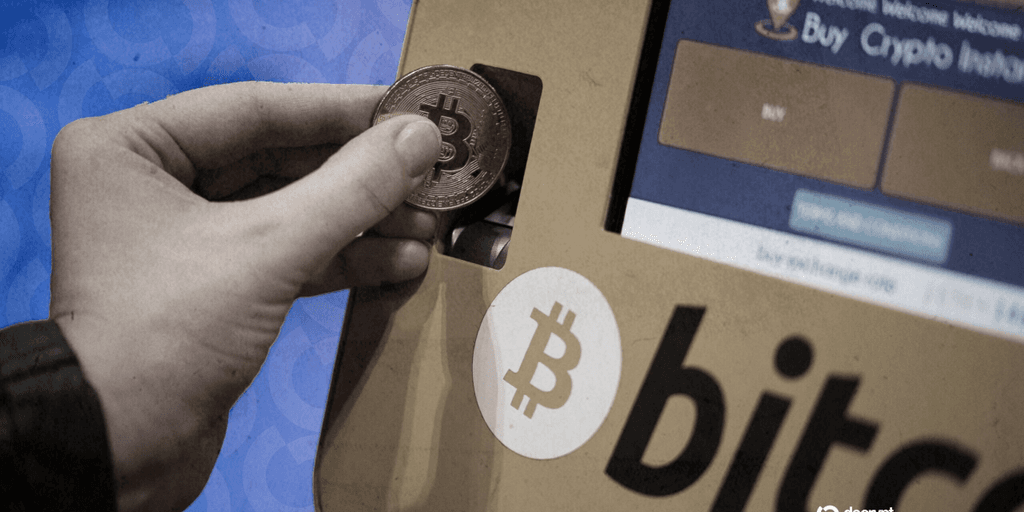
Bitcoin Depot, a prominent player in the Bitcoin ATM sector, has recently encountered significant regulatory pushback from the state of Connecticut. The state has suspended the operator’s license following accusations of overcharging customers and failing to provide timely refunds. This event has raised questions about regulatory scrutiny in the cryptocurrency sector and its implications for investors, operators, and the broader market.
Quick Take
| Aspect | Details |
|---|---|
| Company | Bitcoin Depot |
| Location | Connecticut |
| Issue | Overcharging and refund failures |
| Regulatory Response | License suspension |
| Market Sentiment | Cautious optimism amid regulatory fears |
The Good
Strengthening Regulatory Framework
The regulatory actions taken by Connecticut against Bitcoin Depot might be seen as a positive step towards a more mature and responsible cryptocurrency market. As the industry continues to grow, regulatory bodies are becoming increasingly vigilant about consumer protection. This crackdown could serve as a catalyst for stricter compliance across the sector, ultimately leading to a more trustworthy environment for users.
Increased Transparency
With regulators stepping in, there’s an opportunity for increased transparency in operations conducted by Bitcoin ATM providers. The expectation is that enhanced scrutiny will encourage operators to refine their practices, ensuring that all fees are disclosed clearly and that customers receive any refunds promptly. This could lead to greater consumer confidence in using Bitcoin ATMs, which have historically been viewed with skepticism.
The Bad
Operational Disruption
For Bitcoin Depot, the suspension of its license doesn’t just impact its operations in Connecticut; it could have a ripple effect across its other locations as well. Investors might see this as a sign of potential instability within the company, leading to fears that further regulatory issues could arise in other states. Such disruptions could limit the company’s growth and market reach, especially as competition in the Bitcoin ATM space intensifies.
Potential Loss of Customers
As the news breaks, Bitcoin Depot might experience an immediate backlash, causing a decline in users and ultimately impacting revenue. Customers may flock to competitors that have established better compliance practices, thereby weakening Bitcoin Depot's market position. This shift could be detrimental in a market where consumer trust is paramount.
The Ugly
Regulatory Precedent
The case of Bitcoin Depot could set a concerning precedent for the Bitcoin ATM industry. If regulators see success in enforcing stricter standards, other states may follow suit, leading to a wave of operational halts and suspensions across the country. This could stunt the growth of Bitcoin ATMs and create a challenging landscape for emerging players and established operators alike.
Investor Sentiment
Investors monitoring the situation may be feeling the pressure as regulatory scrutiny increases. The fear of future regulations impacting profitability could lead to decreased investment in the Bitcoin ATM sector. As confidence wanes, volatility may rise, which could deter potential investors from entering the market.
Market Context
The cryptocurrency market has been experiencing a tumultuous period, with regulatory scrutiny becoming more pronounced. Bitcoin Depot's challenges highlight a broader concern within the industry about compliance and the need for robust operational practices. While many operators are eager to innovate and expand, the looming threat of regulatory action can stifle growth and lead to uncertainty.
The Bitcoin ATM market has garnered significant interest due to its accessibility and ease of use. Still, incidents like this showcase the fragility of consumer trust when operators fail to uphold ethical standards. As the industry grapples with the need for self-regulation, the actions taken by Connecticut could foreshadow more significant changes in how Bitcoin ATMs are regulated nationwide.
Impact on Investors
For investors, the immediate concern revolves around the stability and reputation of Bitcoin Depot. As the company navigates regulatory waters, stakeholders will be keenly watching how it addresses these challenges. The ability to adapt to regulatory demands could determine Bitcoin Depot's survival and growth in the long term.
Moreover, potential investors might reconsider their strategies in light of this incident. The increased scrutiny of Bitcoin ATMs could lead to a reassessment of the risk versus reward of investing in this sector. Investors might prefer to support companies that demonstrate compliance and transparency, fostering a landscape where responsible operators come out on top.
Conclusion
The suspension of Bitcoin Depot's operations in Connecticut underscores the complexities and challenges of the cryptocurrency landscape. As the industry evolves, the importance of regulatory compliance becomes even more apparent. While there are potential benefits to increased oversight, the immediate impact on Bitcoin Depot and its investors is one of uncertainty. Moving forward, both operators and investors will need to pay close attention to the regulatory environment, as it will undoubtedly shape the future of Bitcoin ATMs and the broader cryptocurrency market.