 Go Back

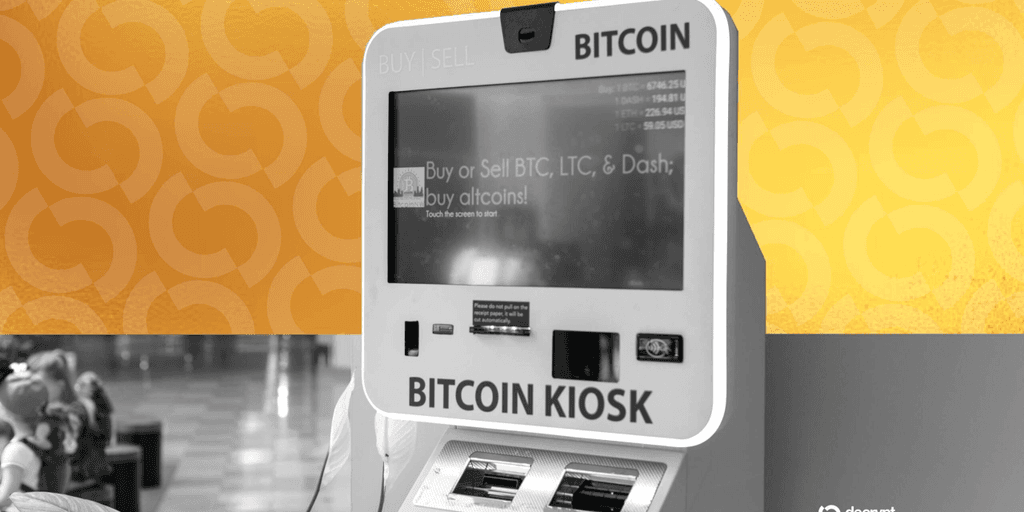
Bitcoin Depot Faces Leadership Shakeup Amid Crypto ATM Crackdown
The recent departure of Bitcoin Depot’s CEO is a significant event in the continuing narrative of the cryptocurrency industry, particularly as it pertains to the operational landscape of crypto ATMs. This leadership transition is not merely a matter of internal business strategy; rather, it is a reflection of the broader regulatory environment that has increasingly impacted the operations of crypto businesses worldwide.
Quick Take
| Aspect | Details |
|---|---|
| Event | CEO departure at Bitcoin Depot |
| Industry Impact | Increased regulatory scrutiny affecting crypto ATM operations |
| Broader Context | Shift in regulatory policies regarding cryptocurrencies and digital asset transactions |
| Future Predictions | Potential reduction in the number of crypto ATMs and shifts towards compliance-driven models |
What prompted the CEO's departure?
Bitcoin Depot’s swift leadership change can be attributed to the ongoing crackdown on crypto ATMs by regulatory bodies. Over the last few years, agencies such as the Financial Crimes Enforcement Network (FinCEN) and various state regulators have intensified their scrutiny on cash-intensive businesses, particularly those involved in the cryptocurrency space. As a result, many crypto ATM operators, including Bitcoin Depot, have faced significant operational challenges.
How is the cryptocurrency ATM landscape evolving?
The landscape for cryptocurrency ATMs has undergone profound transformations in recent months. With rising concerns over money laundering and fraud, many jurisdictions are imposing stricter compliance requirements on crypto ATM operators. This new regulatory framework often necessitates extensive Know Your Customer (KYC) processes and transaction reporting, which can be burdensome for operators that previously thrived on anonymity and ease of access.
Market Context
Historically, crypto ATMs were viewed as one of the most accessible entry points for newcomers to the cryptocurrency ecosystem. They offered the convenience of purchasing Bitcoin and other cryptocurrencies with cash. However, as regulatory agencies ramp up oversight, the viability of this business model has come into question. As a result:
- Decreased Accessibility: With more stringent regulations, the number of operational ATMs may decline.
- Increased Costs: Compliance measures will likely lead to higher operational costs for ATM operators, which may necessitate service fee adjustments.
- Market Consolidation: Smaller players may be forced to exit the market, leading to a consolidation of services among larger operators who can absorb compliance costs more effectively.
Impact on Investors
The departure of Bitcoin Depot’s CEO signals a critical moment for investors in the cryptocurrency space. With the landscape shifting underfoot, investors must consider the following:
- Regulatory Risks: The potential for heightened regulatory action means that businesses operating in the crypto ATM space may see fluctuating valuations and operational viability.
- Investment Opportunities: As the market evolves, new ventures focusing on compliance-friendly models and digital asset services may emerge, providing fresh opportunities for savvy investors.
- Long-Term Outlook: While the immediate fallout from regulatory actions may seem detrimental to the crypto ATM sector, a more robust regulatory framework could lead to increased institutional trust in the cryptocurrency ecosystem over time.
Future Predictions
Looking ahead, the cryptocurrency ATM market is likely to undergo several significant changes:
- Shift Towards Compliance: Operators will need to adapt to new compliance standards, which may lead to a reduction in the number of ATMs available.
- Technological Innovations: As the landscape becomes more regulated, technology will play a crucial role in ensuring compliance without compromising user experience. Innovations like blockchain-based KYC and identity verification could become mainstream.
- Regulatory Clarity: If regulatory bodies provide clearer guidelines, it may stabilize the market, attracting both institutional and retail investors back into the crypto ATM space.
Conclusion
While the recent leadership change at Bitcoin Depot underscores the challenges faced by the crypto ATM sector, it also highlights a pivotal shift in the industry. As regulations tighten, both operators and investors will need to navigate this evolving landscape cautiously. The future of crypto ATMs may require substantial adaptation, but it also opens the door for new opportunities to redefine how digital assets are accessed by the public.
In the face of adversity, the resilience of the cryptocurrency ecosystem will be tested, ultimately shaping the future of how we engage with digital currencies.