 Go Back


Bitcoin Dips Below $71,000 Amidst Inflation Concerns
Bitcoin's recent plunge below the $71,000 mark has stirred conversations around inflation, interest rates, and the overall market dynamics. As the Federal Reserve (Fed) grapples with rising energy prices impacting inflation forecasts, investors are left to ponder the future of both cryptocurrency and traditional markets. This post aims to dissect the situation through a Good/Bad/Ugly framework, while offering a clear market context and its implications for investors.
Quick Take
| Key Points | Details |
|---|---|
| Current Bitcoin Price | Below $71,000 |
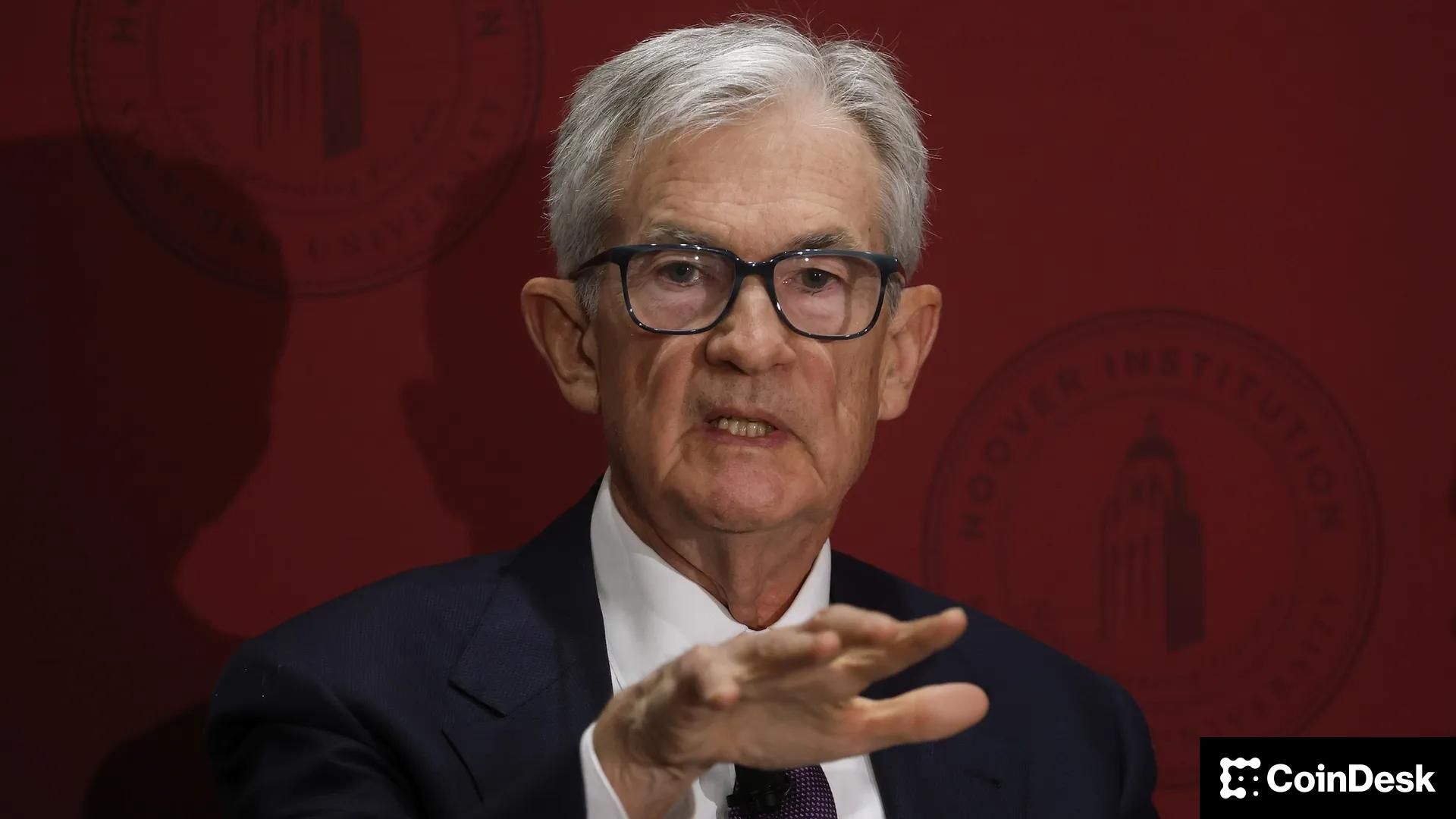
| Fed Chair | Jerome Powell |
| Main Concern | Rising energy prices and inflation outlook |
| Market Sentiment | Diminishing hopes for 2026 rate cuts |
The Good
The current macroeconomic landscape does provide some silver linings for Bitcoin enthusiasts:
- Institutional Interest: Despite the dip, institutional interest in Bitcoin remains relatively strong. Many companies are still adding Bitcoin to their balance sheets as a hedge against inflation. This ongoing interest offers a level of support that could stabilize prices in the long term.
- Increased Adoption: The growing integration of Bitcoin into payment systems and the financial sector is encouraging. As digital currencies gain wider acceptance, their perceived value and demand may improve, potentially leading to price recovery.
- Limited Supply: Bitcoin's capped supply at 21 million coins serves as a buffer against inflation, making it an appealing long-term investment. As more investors seek a safe haven for their assets, Bitcoin could benefit from increased demand.
The Bad
However, the decline below $71,000 also comes with significant challenges:
- Inflationary Pressures: As Jerome Powell indicated, rising energy prices are contributing to inflation fears. Increased costs for consumers can lead to reduced spending, which affects the overall economy and impacts speculative assets like Bitcoin.
- Market Volatility: The cryptocurrency market is notoriously volatile. A decline in Bitcoin's value can trigger panic selling, leading to further drops in price. This cycle can deter new investors and negatively affect long-term growth.
- Regulatory Uncertainty: The potential for increased regulation on cryptocurrencies looms large. Governments across the globe are exploring tighter controls, which could hinder market growth and discourage investment in digital assets.
The Ugly
In a landscape of rising inflation and diminishing hopes for rate cuts, the outlook for Bitcoin does present some ugly scenarios:
- Investor Sentiment: The fear of missing out (FOMO) can quickly turn into fear, uncertainty, and doubt (FUD). As Bitcoin prices decline, investors might panic, leading to increased sell-offs and a further downturn in market sentiment.
- Correlation with Traditional Markets: Bitcoin has shown a high correlation with traditional stock markets in recent months. As stocks close at session lows amid fading rate cut hopes, Bitcoin's decline could be exacerbated by investor sentiment spilling over from equities.
- Long-Term Viability: If inflation persists and economic conditions worsen, Bitcoin could be viewed merely as a speculative asset rather than a stable store of value. This mindset shift could lead to a drastic reevaluation of Bitcoin's long-term viability.
Market Context
The current situation reflects a broader economic trend where inflation is no longer a transient concern. As energy prices surge, their impact on the economy could be more profound than initially predicted. Investors are now faced with the dilemma of whether to hold or divest from risky assets like cryptocurrencies. The Fed's commitment to addressing inflation will significantly shape market dynamics in the coming months. If rate cuts are indeed delayed or reconsidered, the traditional market response could place further downward pressure on Bitcoin.
Impact on Investors
For investors, the implications of Bitcoin's current dip below the $71,000 threshold are multi-faceted:
- Reassessment of Portfolios: Long-term investors may need to reassess their risk tolerance and consider diversifying their portfolios to mitigate potential losses.
- Investment Strategies: Short-term traders may look for opportunities to capitalize on price fluctuations while keeping an eye on macroeconomic indicators.
- Understanding Market Trends: Investors should stay informed about economic policies and inflation trends, as these factors will likely continue to influence Bitcoin and the overall cryptocurrency market.
In this climate of uncertainty, a cautious and informed approach remains essential for navigating the ever-evolving landscape of digital assets.