 Go Back


Bitcoin Dips Below $79K: Rising Yields and Inflation Concerns Explained
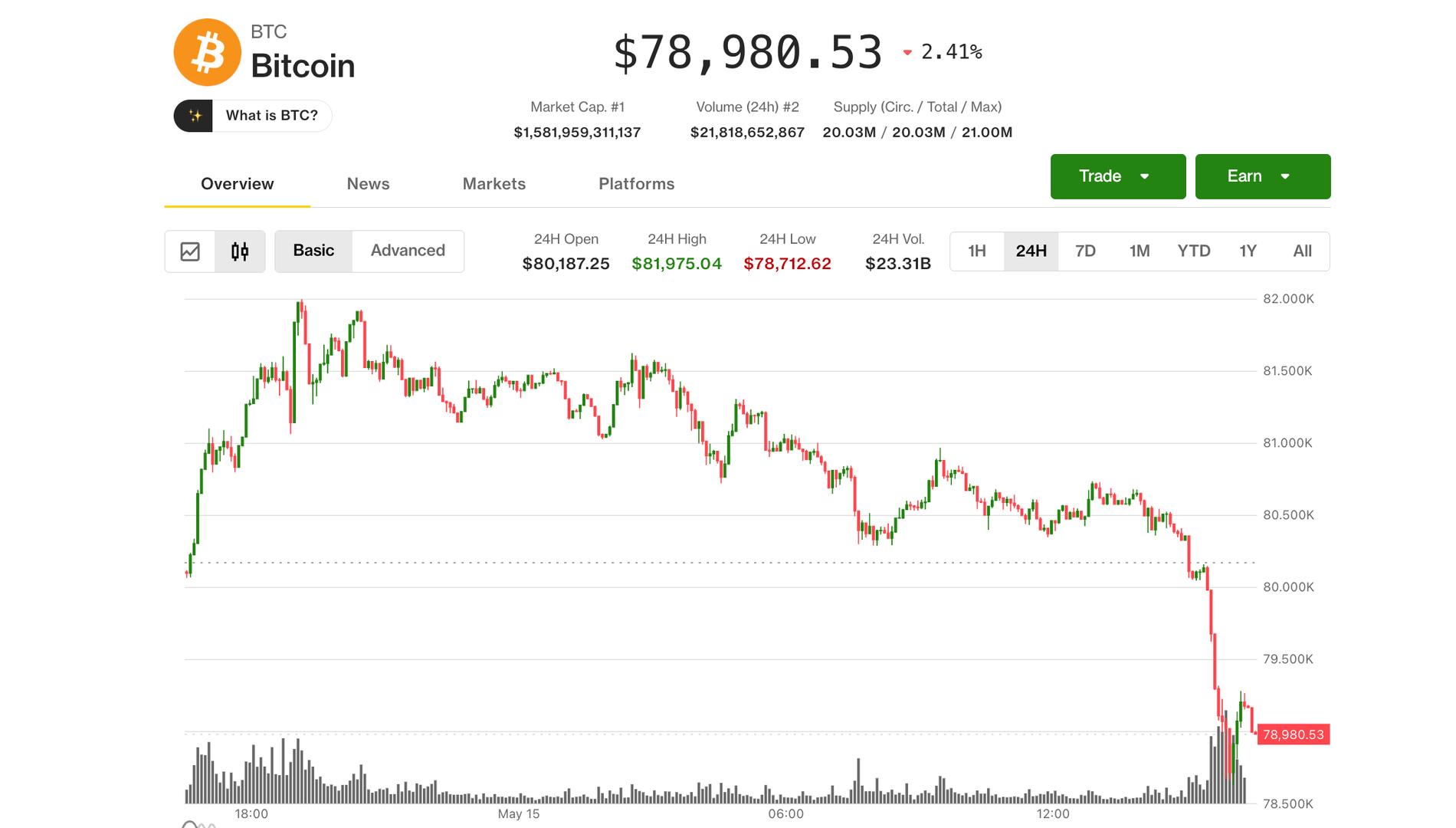
The cryptocurrency market is witnessing a significant downturn, with Bitcoin recently falling below the $79,000 mark. This movement is primarily attributed to rising bond yields and ongoing concerns over inflation. In this blog post, we will delve into the various factors influencing the current market dynamics, providing a comprehensive analysis of the situation and its implications for investors.
Quick Take
| Factor | Current Situation | Impact on Bitcoin |
|---|---|---|
| Bitcoin Price | Below $79,000 | Negative |
| Bond Yields | Rising | Increased selling pressure |
| Inflation Rates | Elevated | Heightened market volatility |
| Stock Market Performance | Declining | Risk-off sentiment |
| Crude Oil Prices | Surpassing $100 | Economic concerns |
The Good, The Bad, and The Ugly
The Good
Rising interest rates often signal a recovering economy, which can benefit certain sectors, leading to increased demand for assets like cryptocurrencies in the long run. Higher bond yields might lead to better returns in traditional financial instruments, but the inherent volatility of Bitcoin and altcoins can also create opportunities for savvy traders.
Moreover, Bitcoin’s status as a hedge against inflation remains intact amidst rising inflation rates, suggesting that long-term investors should not lose sight of the asset’s potential. Historically, Bitcoin has proven to recover after bearish trends, drawing in new investors during its dips.
The Bad
The current landscape is fraught with challenges. The sharp decline in Bitcoin's price reflects broader economic uncertainty. As bond yields rise, investors tend to gravitate towards safer assets, leading to capital outflow from riskier investments like cryptocurrencies.
Furthermore, with inflation worries still at the forefront, there’s a growing risk of economic tightening, which can further pressure asset prices. The recent performance of stocks and gold mirrors these concerns, indicating a general risk-off sentiment across various markets.
The Ugly
The most concerning aspect is the psychological impact on investors. The rapid decline in Bitcoin could trigger panic selling, especially among retail investors who may lack the expertise to weather such volatility. This could lead to a self-fulfilling prophecy where fear drives prices down further. Additionally, the ongoing geopolitical conflicts and supply chain disruptions continue to exacerbate inflation, adding layers of complexity to the already turbulent market conditions.
Market Context
The macroeconomic backdrop is essential to understanding the recent movements in Bitcoin’s price. As central banks globally tighten monetary policy to combat inflation, the implications for risk assets become pronounced.
Historically, rising bond yields have negatively correlated with the performance of cryptocurrencies. As yields rise, the opportunity cost of holding non-yielding assets like Bitcoin increases. Investors often reassess their portfolios, leading to capital shifts that can adversely affect the crypto markets.
The surge in crude oil prices also plays a pivotal role. With oil surpassing $100 per barrel, inflationary pressures are expected to persist, compelling central banks to hike rates more aggressively. Traders are recalibrating their expectations around Federal Reserve policies, which may lead to increased volatility in both equity and crypto markets.
Impact on Investors
For crypto investors, the current environment calls for caution.
- Diversification: Investors may need to reassess their portfolios and consider diversifying into assets that can withstand rising yield environments.
- Long-Term Perspective: While short-term volatility is unsettling, maintaining a long-term perspective can help investors navigate through these turbulent times. Historical trends demonstrate Bitcoin's recovery capabilities.
- Monitoring Economic Indicators: Keeping a keen eye on economic indicators such as inflation rates, bond yields, and Federal Reserve announcements can inform better decision-making.
- Risk Management: Establishing clear risk management strategies, including stop-loss orders, can help investors avoid significant losses during market downturns.
In summary, the recent decline in Bitcoin’s price below $79,000 is a reflection of broader economic challenges, including rising bond yields and inflation concerns. As the market grapples with these pressures, investors must navigate these turbulent waters with informed strategies and a clear focus on long-term potential.