 Go Back


Bitcoin Dips as Crypto Diverges from Record High U.S. Equities
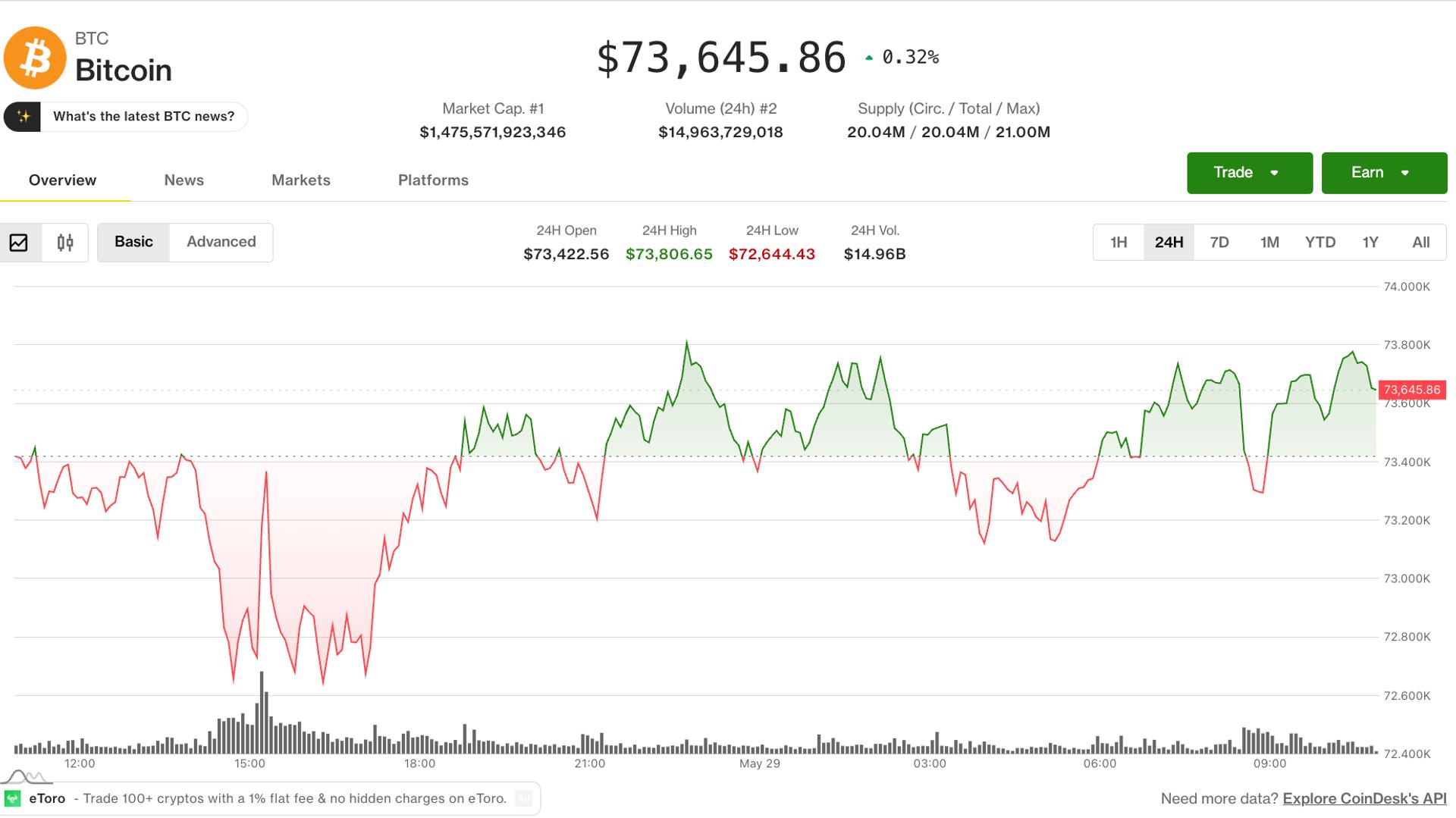
Bitcoin's recent slide to April lows has raised eyebrows among investors, especially as U.S. equity markets like the S&P 500 and Nasdaq push towards all-time highs. This divergence between Bitcoin's performance and that of traditional markets might signal deeper underlying issues within the cryptocurrency ecosystem. As market participants assess this situation, understanding the broader macroeconomic context becomes essential.
Quick Take
| Aspect | Bitcoin | U.S. Equities |
|---|---|---|
| Recent Price Trend | Slumped to April lows | Approaching all-time highs |
| Market Sentiment | Bearish | Bullish |
| Correlation | Diverging | Strengthening |
| Potential Influences | Regulatory uncertainty, macroeconomic factors | Strong earnings reports, interest rate expectations |
The Good: Strength in U.S. Equities
The current bullish trend in U.S. equities can be attributed to several positive factors. Strong earnings reports from key companies, along with promising economic indicators such as low unemployment and increased consumer spending, have fueled market optimism. Furthermore, the Federal Reserve's monetary policy of maintaining lower interest rates has provided a conducive environment for stock market growth. This positive sentiment among traditional investors has been a contributing factor to the market's resilience.
Implications for Crypto Investors
While the performance of equities is encouraging for traditional investors, it poses a challenge for the cryptocurrency market. Institutional investors, who have historically poured money into Bitcoin, are now finding more allure in equities as they deliver consistent returns. This shift in investment focus may lead to decreased demand for Bitcoin, exacerbating its current bearish sentiment.
The Bad: Bitcoin's Struggles
Bitcoin's inability to maintain its upward momentum, particularly after failing to break past the $83,000 mark, raises concerns. Many analysts view this as a bearish signal, suggesting that Bitcoin could be entering a prolonged bear market. The failure to capitalize on bullish trends in equities highlights a growing disconnect between the crypto market and traditional finance.
Reasons for Bitcoin's Decline
- Regulatory Uncertainty: Regulatory scrutiny from major economies continues to loom over the crypto industry. Governments are grappling with how to best regulate digital assets, which creates uncertainty and hesitance among potential investors.
- Market Saturation: As more cryptocurrencies enter the market, Bitcoin faces increased competition. New technologies and projects are vying for attention and investment, potentially diluting Bitcoin's market share.
- Macroeconomic Factors: Concerns about inflation, interest rate hikes, and global economic slowdowns are influencing investor behavior. As traditional assets become more appealing amidst these uncertainties, Bitcoin's allure may diminish.
The Ugly: Potential Long-Term Consequences
A persistent decline in Bitcoin could have dire long-term implications not only for the cryptocurrency market but also for its investors. If Bitcoin is unable to regain momentum, the once-celebrated store of value narrative may be challenged, leading to a loss of confidence among retail and institutional investors alike. Additionally, the correlation between Bitcoin and traditional assets could weaken further, creating a scenario where Bitcoin is seen merely as a speculative asset rather than a viable alternative to traditional currencies.
Market Context
The current market landscape is characterized by mixed signals. While equities shine, Bitcoin's decline is juxtaposed with macroeconomic uncertainties. Investors need to be vigilant and consider these trends while making decisions. Understanding the broader economic climate, including inflation rates, employment figures, and central bank policies, is crucial to forecasting Bitcoin's trajectory in the coming months.
Impact on Investors
The divergence in performance between Bitcoin and U.S. equities presents a challenging environment for investors. Here are some potential impacts:
- Diversification Strategy: Investors may need to reassess their portfolios, balancing between equities and cryptocurrencies to hedge against volatility.
- Long-term Outlook: Should Bitcoin continue to decline, long-term holders may face pressure to rethink their strategies.
- Regulatory Adaptation: Investors must stay informed about regulatory developments, as these will shape the future landscape of the crypto market.
In summary, Bitcoin's recent struggles amid a thriving U.S. equity market signal a critical juncture for cryptocurrency investors. By examining the trends and macroeconomic factors at play, stakeholders can better navigate this complex landscape and make informed decisions moving forward.