 Go Back


The Current State of Bitcoin and Market Analysis
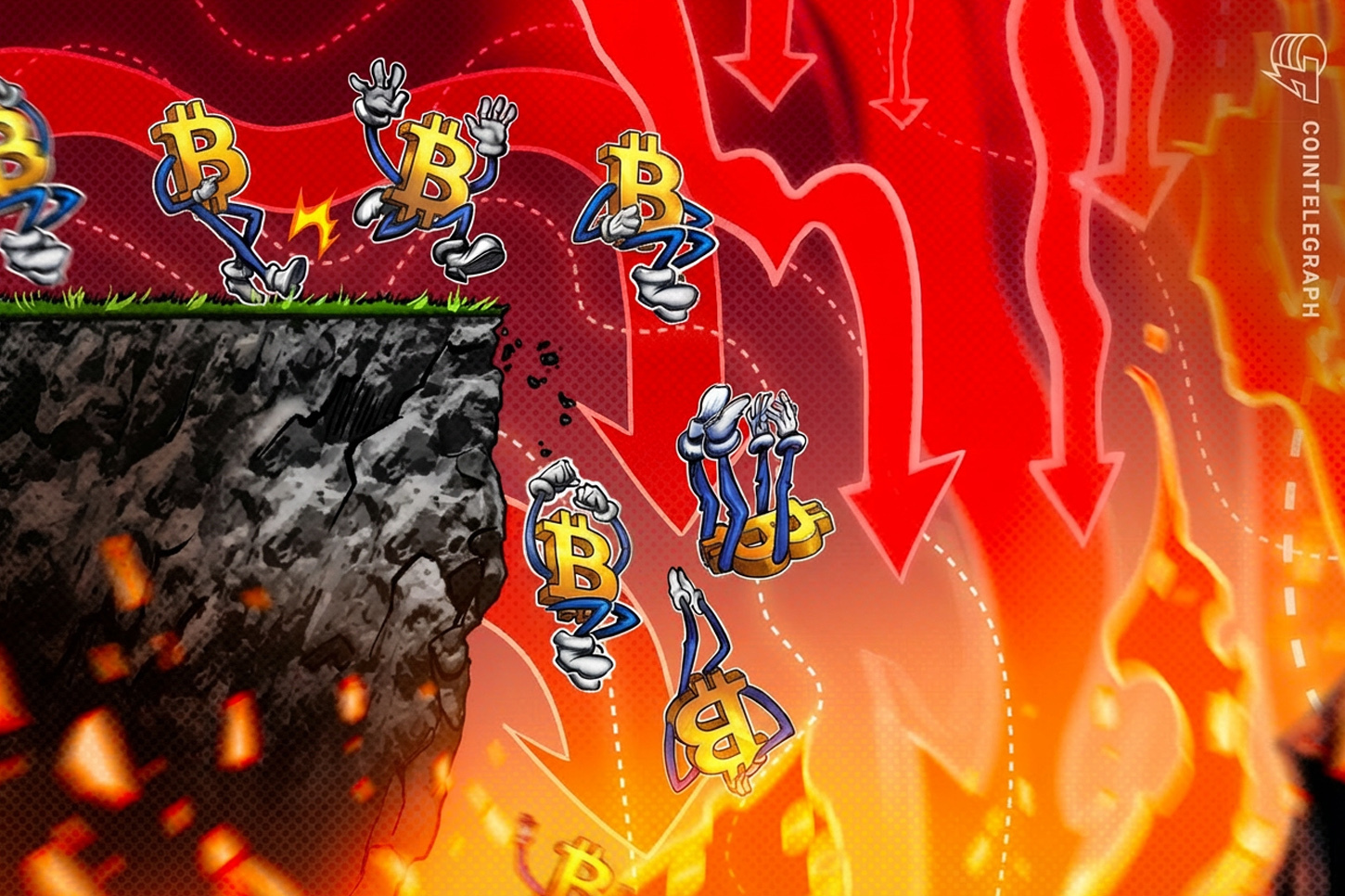
June 2023 was a turbulent month for Bitcoin, ending with concerns that the cryptocurrency might face additional declines, with predictions suggesting a potential drop to as low as $52,000. This forecast is not merely an isolated opinion but is supported by historical market trends and macroeconomic indicators that signal an ongoing bearish phase in the market.
Quick Take
| Metric | Value |
|---|---|
| Current Bitcoin Price | $X (insert current price) |
| Predicted Drop | $52,000 |
| June Performance | Worst since 2022 |
| Moving Average Status | Below 200-week MA |
| Analyst's View | Bear bottom ahead |
Market Context
The cryptocurrency market is often influenced by a myriad of factors, including macroeconomic changes, regulatory news, and investor sentiment. The analysis from the renowned crypto analyst indicates that the recent June close above the realized price but below the crucial 200-week moving average raises red flags. Historically, when Bitcoin has found itself in a similar situation, it has often indicated that the bear market might not yet be over.
Historical Perspective
- Previous Bear Cycles: In previous bear markets, Bitcoin often tested lower support levels before establishing a firm bottom. For instance, during the prolonged downturn witnessed in 2018, Bitcoin struggled to break through crucial resistance points, leading to further declines.
- Current Economic Environment: As inflation rates fluctuate and central banks adjust monetary policies, risk assets like Bitcoin tend to react sensitively. The recent economic indicators show inflation still being a concern, which could compound existing volatility in the cryptocurrency markets.
- Investor Behavior: During bear markets, retail investors often become more fearful, leading to increased selling pressure. This could amplify the downward trajectory that the analyst anticipates.
Impact on Investors
The potential drop to $52,000 carries significant implications for both short-term and long-term investors in Bitcoin.
For Long-term Holders
- Buying Opportunities: While the forecast suggests a downturn, long-term holders might view this as an opportunity to accumulate more Bitcoin at lower prices, especially if they believe in the asset's fundamental value.
- Patience is Key: Long-term investors may need to exhibit patience in navigating through this bearish phase, based on historical patterns where Bitcoin eventually recovers.
For Short-term Traders
- Increased Volatility: Short-term traders should brace for heightened volatility. The anticipated drop might create both risks and opportunities for active trading strategies.
- Market Sentiment: Keeping an eye on market sentiment is crucial; bearish news can trigger rapid sell-offs, and traders may need to adopt risk management strategies to mitigate losses.
Future Predictions
Looking ahead, experts suggest that if Bitcoin tests the $52,000 mark, this could either establish a new support level or lead to further declines. Several factors could influence this, including:
- Regulatory Changes: New regulations or government policies related to cryptocurrencies may have an immediate effect on investor confidence and market dynamics.
- Institutional Adoption: If institutional investors begin to show renewed interest in Bitcoin, it could counterbalance bearish trends and provide some support.
- Technological Developments: Advancements in blockchain technology and Bitcoin's ecosystem could also play a role in shaping its long-term value.
Conclusion
The analysis surrounding Bitcoin's potential drop to $52,000 reflects a broader macroeconomic context that can influence market behavior. While the challenges are evident, they also present unique opportunities for investors willing to navigate this turbulent landscape. Understanding the historical patterns and potential future scenarios can empower investors to make informed decisions. As the market evolves, keeping abreast of economic indicators and market sentiment is essential for navigating this complex environment.
What to Watch For
- Upcoming regulatory developments
- Changes in inflation rates
- Institutional investment trends
- Bitcoin’s performance against major moving averages