 Go Back


Bitcoin ETFs Attract $700 Million: What It Means for Crypto
Quick Take
| Event | Impact |
|---|---|
| Bitcoin ETFs pull in $700 million | Positive sentiment and potential for further institutional investment |
| Pepeto loads $9 million ahead of listing | Growing interest in new DeFi projects and market expansion |
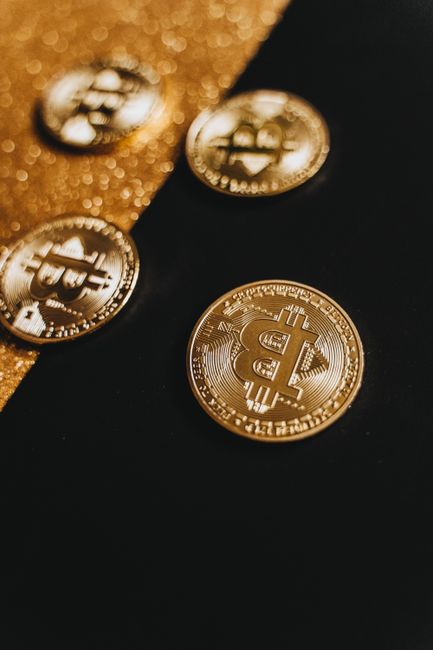
The cryptocurrency market is experiencing a notable uptick as Bitcoin Exchange-Traded Funds (ETFs) have recently attracted an impressive $700 million in investments. This surge in capital inflow has triggered a wave of optimism within the crypto community, suggesting renewed interest from institutional investors. Furthermore, Pepeto, a new entrant into the DeFi space, has secured $9 million ahead of its listing, further signaling the growing dynamism of the crypto ecosystem. But what does this mean for the long-term trajectory of cryptocurrencies, particularly Bitcoin?
What are Bitcoin ETFs and Why are They Important?
Bitcoin ETFs are financial products that allow investors to gain exposure to Bitcoin without directly purchasing the cryptocurrency. They track Bitcoin's price movements and make it easier for traditional investors to participate in the cryptocurrency market. The recent influx of capital into Bitcoin ETFs indicates a growing acceptance of digital assets by mainstream investors, which could have a lasting impact on market stability and price performance.
Market Context
Historically, Bitcoin has faced significant volatility, often influenced by market sentiment and regulatory news. However, the emergence of Bitcoin ETFs marks a pivotal shift in how institutional investors approach cryptocurrency. With $700 million flowing into these financial instruments, it reflects a growing belief in Bitcoin's long-term value proposition.
Factors Contributing to the ETF Surge
- Regulatory Clarity: Recent regulatory frameworks have provided a clearer path for Bitcoin ETFs, alleviating some of the concerns surrounding their legitimacy.
- Mainstream Adoption: High-profile endorsements from institutional players, including major financial firms and corporate treasuries, have bolstered confidence in Bitcoin as a legitimate asset class.
- Inflation Hedge: With inflation concerns lingering, investors are increasingly looking at Bitcoin as a hedge, similar to gold, which is driving more capital into these ETFs.
In addition to Bitcoin ETFs, the $9 million raised by Pepeto is indicative of a thriving DeFi landscape, where new projects continue to emerge despite market fluctuations. The confidence shown in Pepeto suggests that there is a pool of investors willing to back innovative DeFi solutions.
Impact on Investors
The ramifications of this surge in ETF investment are manifold. For retail and institutional investors alike, the influx of capital into Bitcoin ETFs could herald a more stable and mature market. Here’s how:
1. Increased Liquidity
The growing number of Bitcoin ETFs could mean greater liquidity in the Bitcoin market. Enhanced liquidity typically leads to reduced volatility, providing a more stable environment for investors.
2. Price Appreciation
As institutional money continues to flow into Bitcoin through ETFs, this could drive up the price of Bitcoin, making it more appealing for both current holders and new investors. A bullish sentiment often attracts more long-term investors.
3. Diversification Opportunities
The success of Bitcoin ETFs paves the way for other cryptocurrency ETFs, allowing investors to diversify their portfolios further. This diversification can mitigate risks associated with investing in a single asset like Bitcoin.
4. Validation of the Crypto Space
Institutional investment signifies a level of validation for the entire cryptocurrency space, potentially leading to increased adoption by other sectors and industries, enhancing the overall legitimacy of digital currencies.
Looking Ahead
The recent surge in Bitcoin ETF investments and the promising developments in DeFi projects like Pepeto underscore a crucial turning point in the cryptocurrency market. As regulatory landscapes continue to evolve and institutional interest grows, the crypto ecosystem may very well witness further maturation.
In the longer term, this could lead to more widespread adoption of cryptocurrencies, not just as speculative assets but as legitimate components of investment portfolios. Investors should remain vigilant, however, and keep an eye on regulatory developments that could impact market dynamics.
Conclusion
The $700 million influx into Bitcoin ETFs and the emergence of DeFi projects are encouraging signs for the future of cryptocurrency. As the market grows more sophisticated, the potential for new opportunities will continue to rise, making now an exciting time for investors to engage with this evolving landscape.