 Go Back


Bitcoin ETFs Stagnate: A Macro Perspective Since Trump's Win
The market for Bitcoin exchange-traded funds (ETFs) appears to be in a state of stagnation, with net assets of U.S.-listed spot ETFs dropping to levels reminiscent of early November 2024, just after Donald Trump's election victory. This downturn raises significant questions about the future trajectory of Bitcoin ETFs and the factors influencing investor sentiment in the cryptocurrency market.
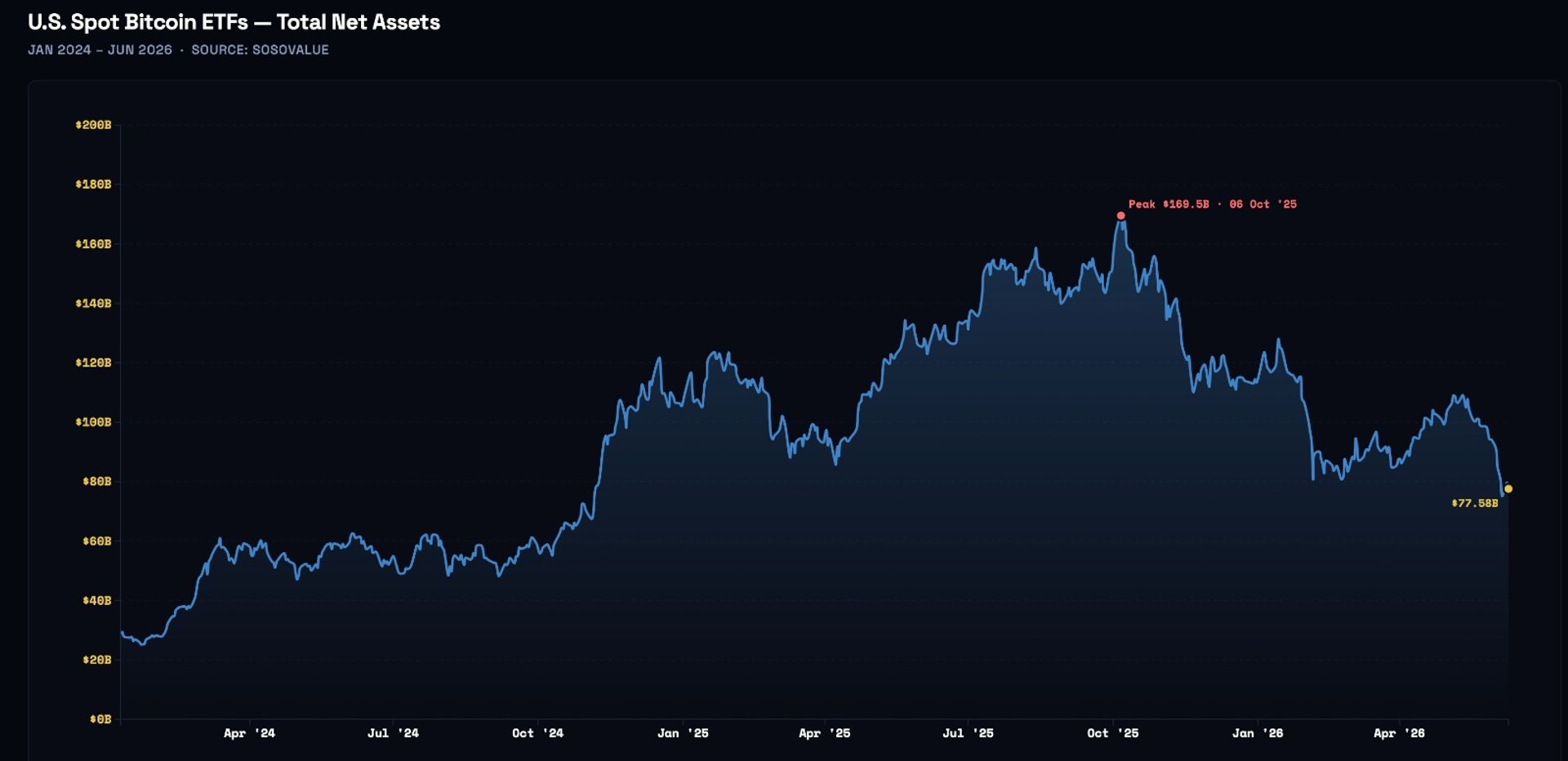
Quick Take
| Metric | Current Level | Last Notable Level |
|---|---|---|
| Net Assets of Bitcoin ETFs | Decreased significantly | Early November 2024 |
| Market Sentiment | Bearish | Post-Trump Election |
| Regulatory Environment | Evolving | Uncertain |
| Adoption Rate | Plateaued | Pre-2024 |
Market Context
The stagnation of Bitcoin ETFs comes at a time when the broader cryptocurrency market is grappling with numerous macroeconomic and regulatory challenges. After reaching all-time highs in late 2021, Bitcoin and other cryptocurrencies have faced a series of headwinds, including shifting monetary policies, regulatory scrutiny, and changing investor sentiment.
In the wake of Trump's presidential victory in 2024, there was a surge of optimism regarding the potential for a more favorable regulatory environment for cryptocurrencies. However, as we now know, the anticipated boom in Bitcoin ETF investments has not materialized, leading many to question the underlying factors hindering growth.
Historical Context of Bitcoin ETFs
Bitcoin ETFs have been a topic of intense discussion since their inception. Initially seen as a gateway for institutional investors to enter the cryptocurrency market, these funds have faced numerous challenges. The first Bitcoin ETF proposals were submitted as early as 2013, but regulatory hurdles delayed their approval until 2020. Since then, the landscape has changed drastically, with the introduction of various ETFs, yet the enthusiasm has waned considerably.
The current levels of net assets reflect a stark contrast to the enthusiasm seen at the peak of Bitcoin’s price in late 2021. Investors are now more cautious, influenced by macroeconomic conditions, including inflation concerns and rising interest rates, which have led to a more risk-averse approach.
SWOT Analysis of Bitcoin ETFs
Strengths
- Institutional Interest: ETFs provide institutional investors with an easier entry point into the cryptocurrency market.
- Regulatory Clarity: Recent approvals have offered some level of regulatory clarity, which can foster trust.
Weaknesses
- Market Volatility: Cryptocurrencies are inherently volatile, making ETFs subject to sharp price fluctuations.
- Limited Historical Performance: The lack of long-term performance data hinders investor confidence.
Opportunities
- Growing Adoption: As more institutions and individuals adopt cryptocurrencies, the potential market for Bitcoin ETFs could expand.
- Innovative Financial Products: The introduction of new financial products could attract a wider range of investors.
Threats
- Regulatory Changes: Unexpected regulatory clampdowns could impact the attractiveness of Bitcoin ETFs.
- Market Sentiment: Negative news can lead to rapid sell-offs, affecting ETF performance.
Impact on Investors
The stagnation of Bitcoin ETFs is likely to have mixed consequences for investors. For those who are bullish on Bitcoin's long-term potential, this may represent a buying opportunity at lower asset values. However, the current bearish sentiment could deter new investors from entering the market.
Investors must also consider the implications of the macroeconomic environment. Rising interest rates often lead to reduced risk appetite among investors, which in turn can dampen demand for high-risk assets such as cryptocurrencies. Furthermore, the regulatory landscape continues to evolve, and any significant changes could impact market dynamics.
Looking Ahead: Future Predictions
As we look to the future, several factors could influence the trajectory of Bitcoin ETFs:
- Regulatory Developments: Continued clarity and favorable regulations could revitalize the market.
- Market Sentiment: Improvements in overall market sentiment could lead to increased investments in Bitcoin ETFs.
- Technological Innovations: Advances in blockchain technology and cryptocurrency use cases could drive renewed interest in digital assets.
In summary, while the current stagnation of Bitcoin ETFs reflects a challenging macroeconomic climate, it also opens doors for potential future growth and investment opportunities. By understanding the factors affecting this market segment, investors can better navigate the evolving landscape of cryptocurrency investments.