 Go Back

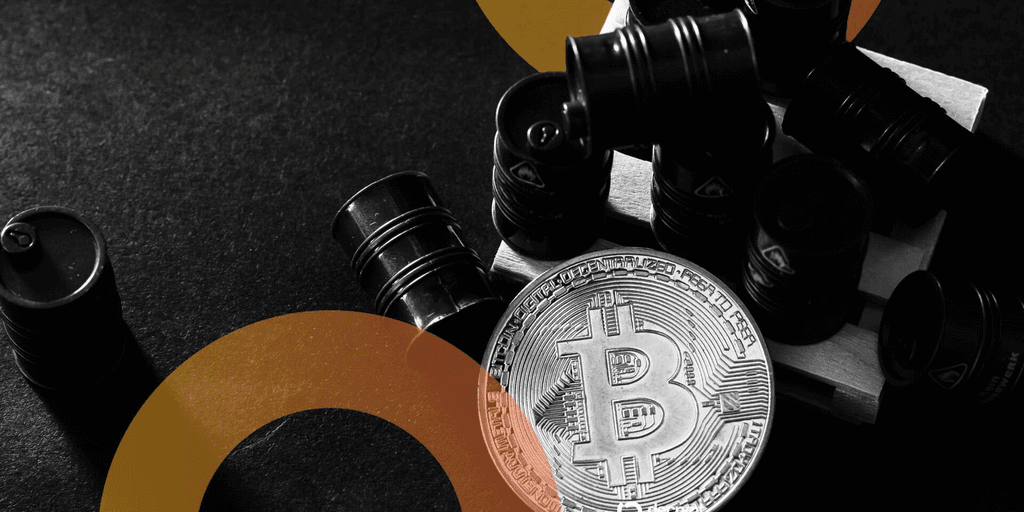
Bitcoin and Ethereum Dip Amid Inflation Surprise and Oil Spike
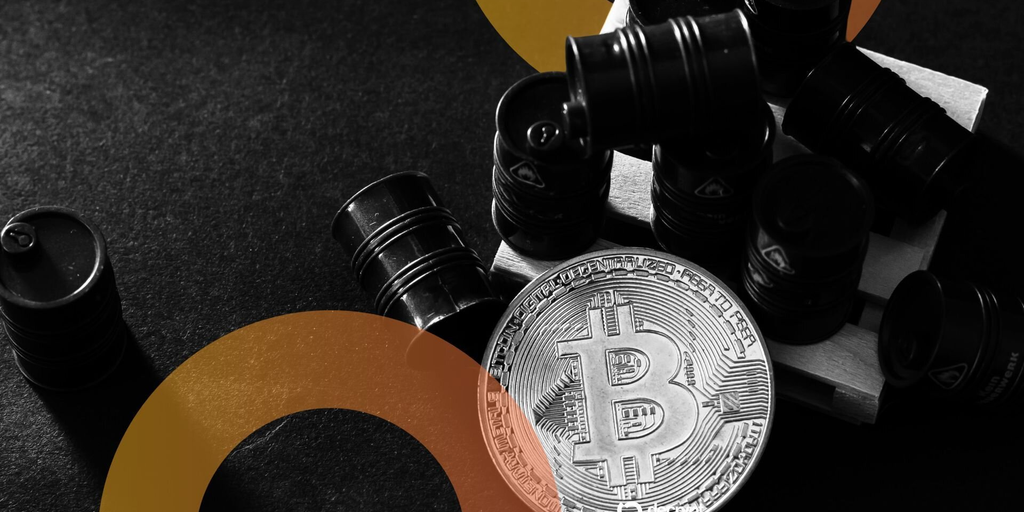
The cryptocurrency market is no stranger to volatility, but recent global macroeconomic events have intensified this reality. Bitcoin and Ethereum have both experienced notable dips, paralleling a broader decline in U.S. stock markets. This downturn coincides with inflation data that exceeded expectations and unsettling developments in the global oil market, particularly concerning the world's largest gas field, which recently came under attack.
Quick Take
| Factor | Situation |
|---|---|
| Recent Inflation | Unexpectedly high inflation data impacting investor sentiment |
| Oil Prices | Spike in oil prices due to geopolitical tensions affecting market stability |
| Crypto Performance | Bitcoin and Ethereum both saw declines in value, reflecting broader market trends |
The Good: Resilience of Cryptocurrencies
Despite the market downturn, there are some positives to consider. Cryptocurrencies like Bitcoin and Ethereum have historically shown resilience, often bouncing back after significant sell-offs. This resilience is underpinned by several factors:
- Decentralization: Cryptocurrencies operate independently of central banks and governments, making them less susceptible to monetary policy shifts, although they are not immune to macroeconomic influences.
- Increased Adoption: Both Bitcoin and Ethereum have seen increased adoption by institutional investors and payment platforms, which may provide a buffer against severe downturns.
- Market Maturity: As the crypto market matures, its correlation with traditional markets may evolve, potentially leading to more stable performance during economic uncertainty.
The Bad: Inflation and Economic Pressures
The recent spike in inflation, driven by supply chain disruptions and increased demand post-pandemic, has generated significant economic pressures that are impacting investor sentiment around the globe. Here’s how:
- Investor Anxiety: Surprising inflation data can lead to fear among investors, prompting them to liquidate assets like cryptocurrencies to maintain liquidity or reposition their portfolios.
- Higher Interest Rates: If inflation remains elevated, the Federal Reserve may respond with aggressive interest rate hikes, impacting stock markets and risk assets, including cryptocurrencies.
- Market Sentiment: The correlation between equities and cryptocurrencies has grown, meaning that bearish trends in traditional markets can spill over into the crypto sector, as seen in the recent dips of Bitcoin and Ethereum.
The Ugly: Global Geopolitical Tensions
The attack on the world's largest gas field highlights the ugly underbelly of the current geopolitical climate. Oil prices surged in response, creating a ripple effect across various markets:
- Energy Costs: Increased oil prices can lead to higher inflation as transportation and production costs rise, which further pressures consumers and businesses. This can lead to tighter consumer spending, affecting sectors across the board.
- Market Instability: Geopolitical tensions can create uncertainty and volatility, discouraging investment in riskier assets like cryptocurrencies, which are often viewed as speculative.
- Long-term Trends: Prolonged instability in energy markets could shift investment trends, leading investors to seek safer havens, potentially impacting the broader acceptance of cryptocurrencies.
Market Context
Understanding the broader economic environment is critical for evaluating the situation of Bitcoin and Ethereum. The recent unexpected inflation data has prompted discussions among economists about the sustainability of economic recovery and the potential for further disruptions. Additionally, the geopolitical instability adds an additional layer of complexity, which could have long-lasting implications for both traditional and digital assets.
- Inflation Rates: Current inflation rates have reached levels not seen in decades, leading to concerns about purchasing power and economic stability.
- Federal Reserve Actions: The Fed's response to inflation could significantly impact liquidity across financial markets, including cryptocurrencies.
- Global Supply Chains: Disruptions and uncertainties in global supply chains continue to impact economic performance, leading to fluctuating asset values.
Impact on Investors
As Bitcoin and Ethereum navigate these turbulent waters, investors must consider both short-term and long-term strategies:
Short-term Strategies
- Risk Management: Investors should be cautious about overexposure to volatile assets. Diversifying across different asset classes may mitigate risks.
- Monitoring Indicators: Keeping an eye on inflation data and central bank policies can provide insights into market movements and help investors make informed decisions.
Long-term Strategies
- HODLing: With the volatile nature of crypto markets, long-term holders may benefit from patience as they weather short-term fluctuations.
- Dollar-Cost Averaging: Regularly investing a fixed amount can help alleviate the stress of market timing, allowing investors to build positions over time.
In summary, while the recent drop in Bitcoin and Ethereum values is concerning, it is essential to understand the broader economic context, investor sentiment, and potential strategies moving forward. The intersection between these macroeconomic factors and the cryptocurrency market will continue to shape investment landscapes in the coming months.