 Go Back


Bitcoin's Position Amid Global Macroeconomic Shifts
As global markets react to the latest developments in international relations, particularly in the Middle East, Bitcoin finds itself at an intriguing crossroads. With President Trump's recent announcement of a potential peace agreement in the region, traditional markets have surged, causing a ripple effect that has left Bitcoin on the sidelines. This post delves into the implications of these macroeconomic changes for Bitcoin and what they mean for long-term investors.
Quick Take
| Indicator | Current Status | Implication for Bitcoin |
|---|---|---|
| Oil Prices | Sharp decline | Potential inflationary pressures easing |
| Bond Yields | Decreasing | Lowered risk appetite for alternative investments |
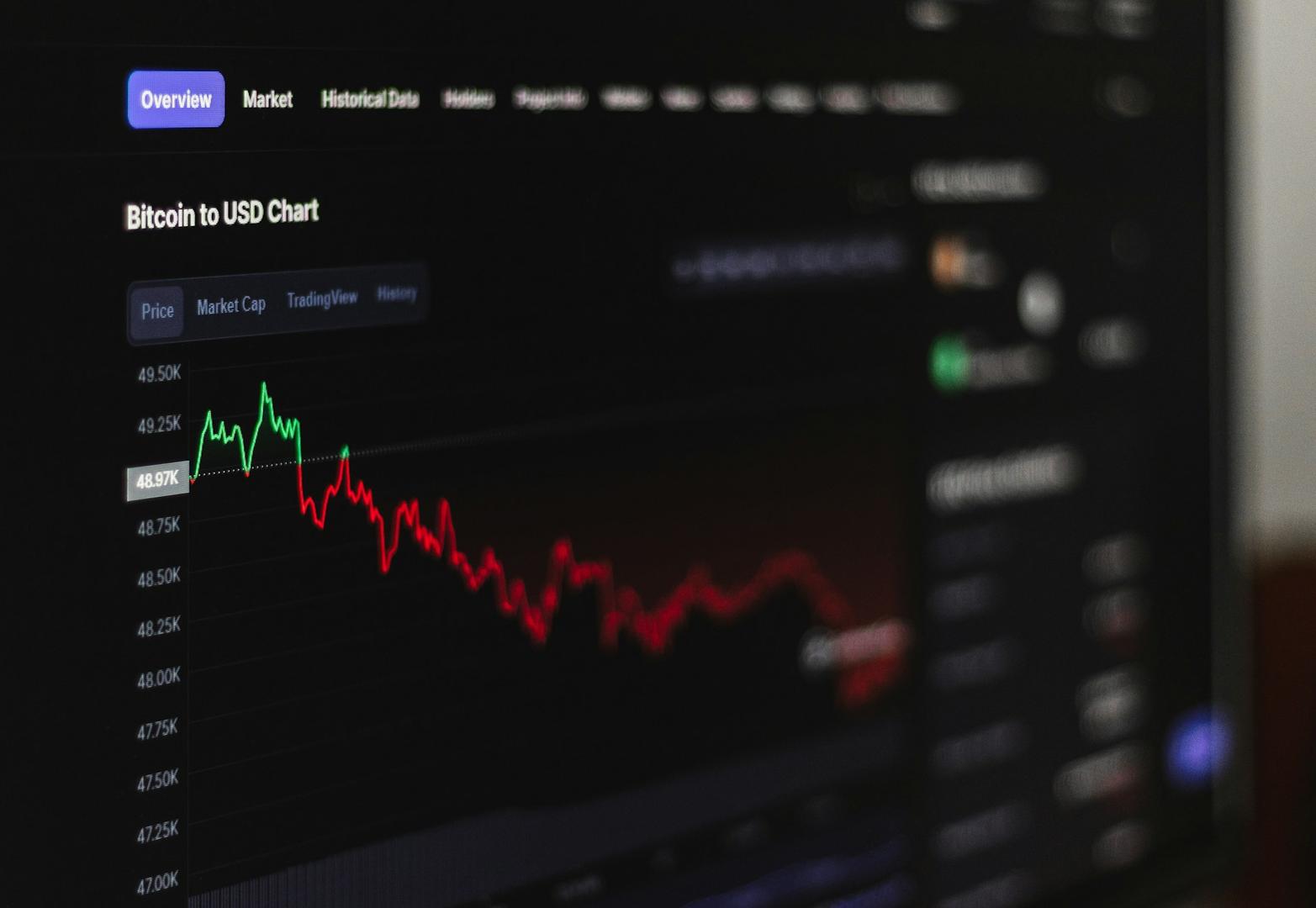
| Bitcoin Market Reaction | Side-lined | Awaiting clearer trends in traditional markets |
Understanding the Current Landscape
The announcement regarding a possible peace agreement in the Middle East, particularly between Iran and the U.S., has sent shockwaves through global markets. Oil prices and bond yields have both dropped sharply, indicating a significant shift in investor sentiment. Lower oil prices could ease inflation worries, while decreasing bond yields might diminish the appeal of crypto assets for risk-averse investors.
Historically, Bitcoin has been viewed as a hedge against inflation and geopolitical instability. However, the recent market dynamics suggest that Bitcoin's role may be evolving. Investors are increasingly looking to traditional assets as safer havens during uncertain times, which could mean a more complex future for cryptocurrencies.
Market Context
Geopolitical Factors
The easing of tensions in the Middle East could lead to increased stability in oil markets, which traditionally have exhibited a strong correlation with cryptocurrency performance. If oil prices stabilize, it may reduce the inflationary pressures that often drive investors toward Bitcoin. On the other hand, substantial geopolitical shifts can create volatility, often leading investors back to the relative safety of digital currencies.
Economic Indicators
The decline in bond yields has historically signified a slowdown in economic growth or a flight to safety. In this context, Bitcoin's sidelined performance can be interpreted as a reaction to the investors' cautious stance. With bond markets giving signals of potential economic downturns, investors may be hesitant to allocate funds to Bitcoin, traditionally viewed as a more speculative asset.
Bitcoin's Historical Performance
Bitcoin’s reaction to macroeconomic changes has varied significantly over the years. During times of uncertainty, it tends to either surge as a safe haven or remain stagnant as investors flock to more traditional assets. This time, its lackluster performance could indicate a paradigm shift in how institutional investors view cryptocurrency amid changing macroeconomic circumstances.
Impact on Investors
Short-Term Implications
For short-term investors, the current environment may present a challenge. The potential for increased stability in oil and bonds may lead to decreased volatility in markets, which can limit Bitcoin's usual price fluctuations. Investors might find themselves waiting for a clear signal to engage with Bitcoin, as the traditional markets take center stage.
Long-Term Outlook
Looking towards the future, the impact of a stabilized Middle East on oil prices could have multifaceted effects on Bitcoin. If the global economy benefits from decreased energy prices, we might see increased disposable income, which could eventually lead to higher investment in alternative assets like Bitcoin.
Moreover, as institutional adoption continues to grow, Bitcoin may solidify its position as a legitimate asset class. A more stable geopolitical situation could also lead to broader acceptance and integration of cryptocurrencies into traditional financial systems.
Strategic Considerations for Investors
- Monitor Oil Prices: Keep an eye on how oil price fluctuations affect global economic policies and investor sentiment.
- Evaluate Bond Markets: Understand the implications of changing bond yields on risk appetite and alternative investments.
- Stay Informed on Geopolitical Events: Developments in the Middle East and their ramifications will remain crucial for crypto valuations.
- Consider Dollar Strength: As Bitcoin trades in USD, understanding the dollar's performance can further guide investment decisions.
- Diversify Portfolio: With the current uncertainty, diversification remains key. Balancing Bitcoin investments with traditional assets may mitigate risks.
Conclusion
The current macroeconomic landscape influenced by geopolitical events presents both challenges and opportunities for Bitcoin investors. As the markets react to changes in oil prices and bond yields, Bitcoin's position remains complex. By understanding these dynamics and strategically navigating them, investors can better position themselves for future growth in the cryptocurrency space.