 Go Back


Bitcoin Surges as Gold Faces Longest Losing Streak in a Century
The financial landscape is witnessing a significant paradigm shift. As gold experiences its worst streak of declines since the 1920s, Bitcoin has emerged as a formidable competitor, demonstrating remarkable resilience and growth. This blog post delves into the implications of gold's historic downturn, the resurgence of Bitcoin, and what this means for investors and the broader macroeconomic context.
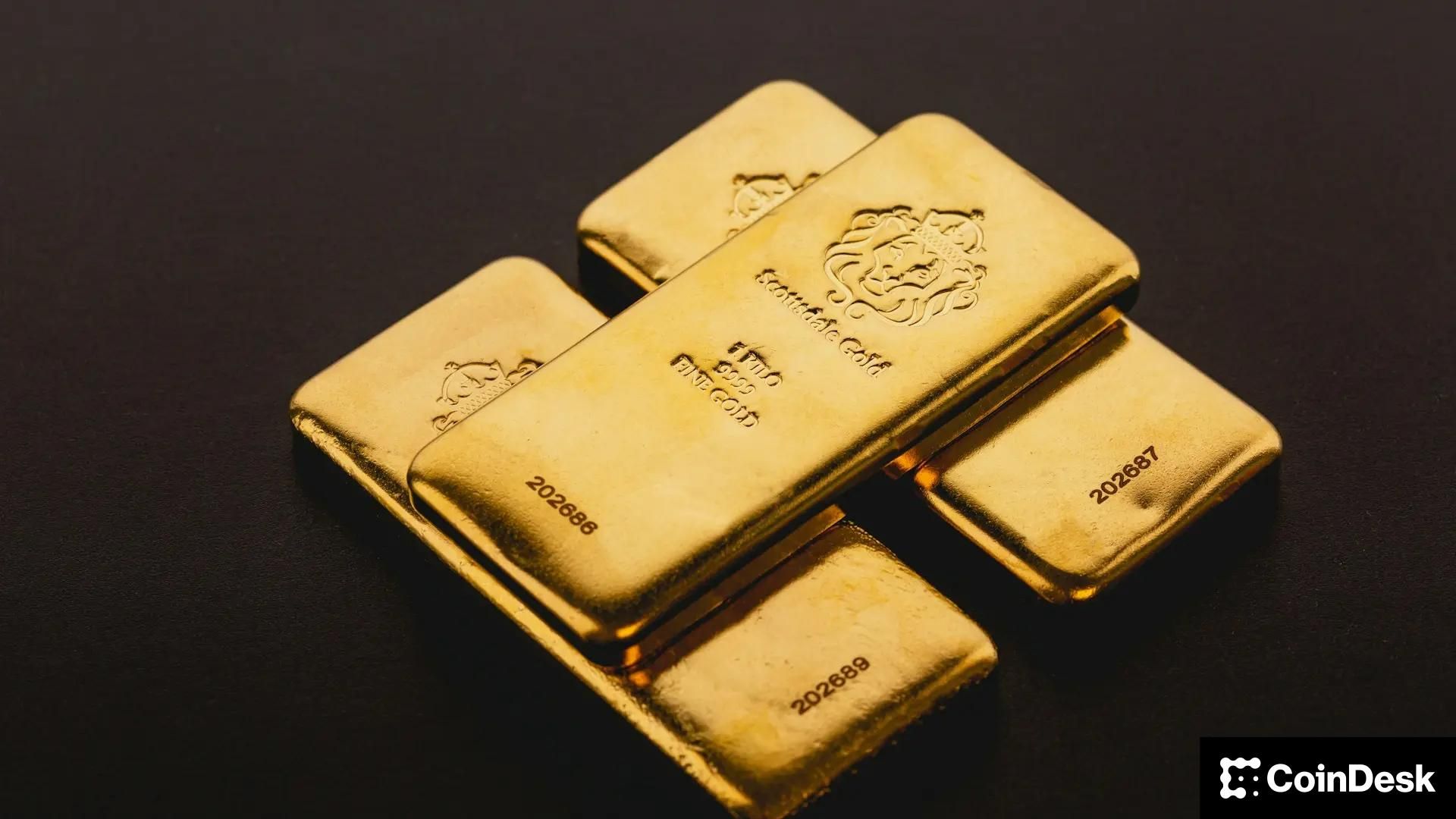
Quick Take
| Aspect | Gold | Bitcoin |
|---|---|---|
| Current Trend | Longest losing streak since 1920 | Significant price increase since conflict began |
| BTC to Gold Ratio | Increased by 30% | Highlights investor preference for digital assets |
| Economic Context | Inflation pressures and geopolitical tension | Safe-haven asset appeal |
The Historical Context of Gold's Decline
Gold has traditionally been viewed as a safe-haven asset, a store of value during times of economic uncertainty. However, the current economic environment marked by high inflation rates, rising interest rates, and geopolitical tensions—especially in the Middle East—has led to a significant sell-off in gold.
The last time gold faced such a protracted downturn was nearly a century ago, during a period of significant economic upheaval. Observers note that gold's decline could be attributed to diminishing demand as investors seek higher yields in other assets, particularly cryptocurrencies like Bitcoin.
Bitcoin’s Resurgence
In contrast, Bitcoin has been gaining traction, particularly amidst these tumultuous times. The cryptocurrency has established itself as a digital store of value, appealing to investors looking for alternatives to traditional assets. Since the escalation of conflict in the Middle East, Bitcoin has seen an increase of over 30% against gold, reinforcing its position as a viable investment option.
Moreover, Bitcoin's rise can be linked to several factors:
- Increased Institutional Adoption: More institutional investors are entering the crypto space, viewing Bitcoin as a hedge against inflation.
- Technological Innovations: Developments within the blockchain ecosystem continue to attract interest and investment in Bitcoin.
- Global Economic Uncertainty: As investors seek refuge from market volatility, Bitcoin's characteristics as a decentralized asset become increasingly appealing.
Market Context
To understand the interplay between gold and Bitcoin, it is essential to consider the current macroeconomic context. Inflation rates are at a multi-decade high, driven by supply chain disruptions and expansive monetary policies following the COVID-19 pandemic. As central banks around the world tighten monetary policy, the appeal of non-yielding assets such as gold diminishes.
Conversely, Bitcoin's capped supply (only 21 million BTC will ever exist) positions it as a potentially appreciating asset in a climate of inflation. As fiat currencies face devaluation due to inflationary pressures, Bitcoin's scarcity is drawing more investors looking for long-term wealth preservation.
Additionally, the geopolitical landscape, particularly tensions in the Middle East, has caused significant market volatility, prompting a flight to safety. In this environment, Bitcoin’s perceived status as