 Go Back


Bitcoin Hash Rate Dips: Energy Prices and Market Implications
As global energy prices surge against the backdrop of geopolitical tensions, particularly the ongoing conflict in Iran, Bitcoin miners are feeling the heat. Recent reports indicate a significant decline in Bitcoin's hash rate, a critical metric that reflects the processing power of the Bitcoin network. This downturn raises important questions for the future of Bitcoin and its valuation in a volatile market.
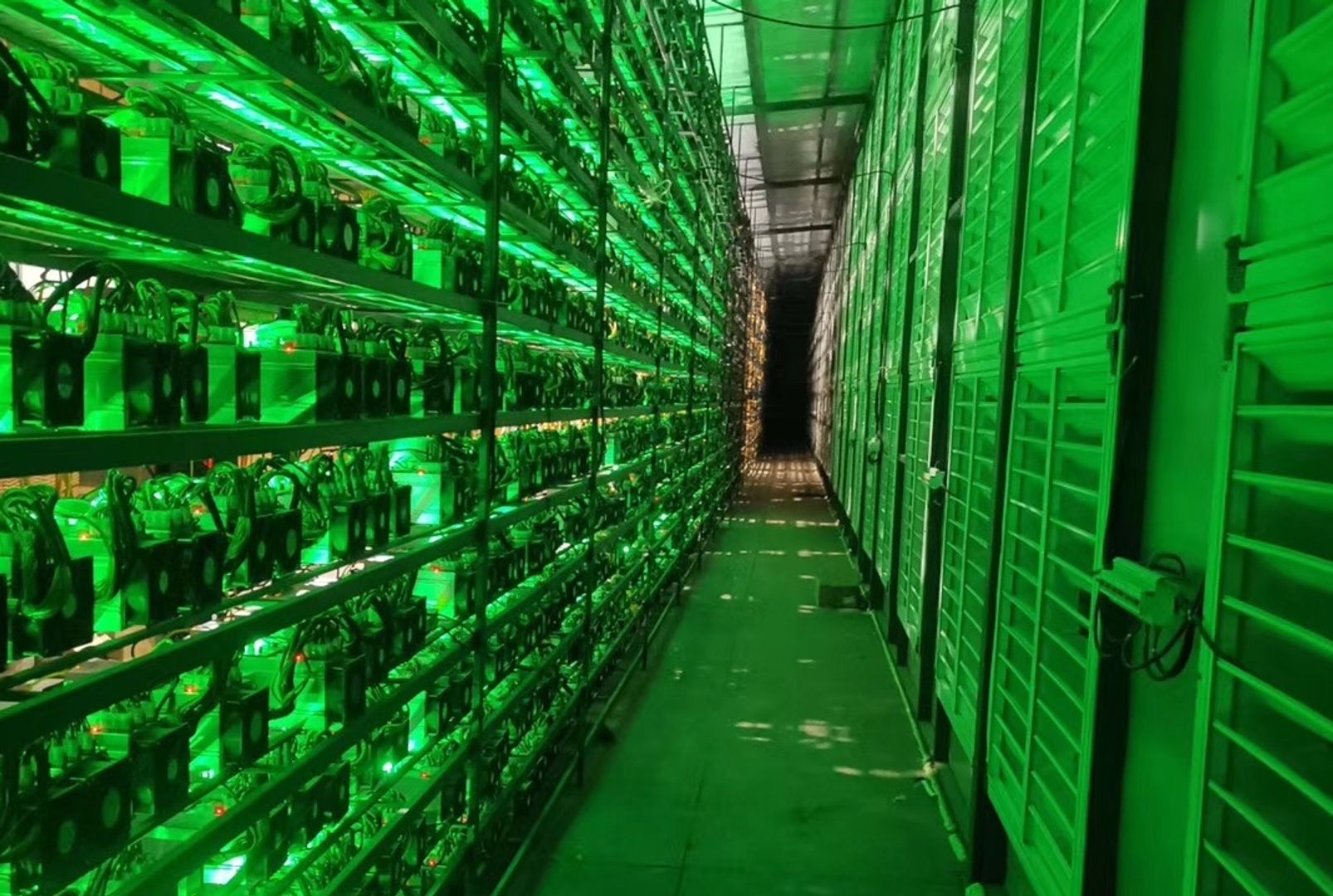
Quick Take
| Metric | Current Status | Implication |
|---|---|---|
| Bitcoin Hash Rate | Decreasing | Potential miner capitulation |
| Energy Prices | Rising due to conflict | Increased mining costs |
| Market Sentiment | Bearish | Price pressure anticipated |
What is the Bitcoin Hash Rate and Why Does It Matter?
The Bitcoin hash rate represents the total computational power that miners use to validate transactions on the Bitcoin blockchain. A higher hash rate typically indicates a secure network, as more miners are contributing resources to validate transactions. Conversely, a falling hash rate can signal potential vulnerabilities within the network and may lead to a decline in Bitcoin's market value.
How Are Energy Prices Affecting Miners?
The current geopolitical landscape, particularly the unrest in Iran, has caused a spike in energy prices globally. This increase is problematic for Bitcoin miners who depend on affordable electricity to maintain profitability. As energy costs soar, many miners may face unsustainable operating expenses, leading to an inevitable choice: either shut down operations or continue at a loss.
Market Context
Historically, Bitcoin's price has shown sensitivity to changes in hash rate. During previous mining capitulation events, where miners are forced to exit the market due to unsustainable costs, Bitcoin has often experienced significant price drops. With the hash rate tumbling, we may be on the brink of another capitulation phase, which could lead to further downward pressure on prices.
The correlation between energy prices and Bitcoin's hash rate is not new. For instance, when energy costs spiked during the COVID-19 pandemic, we saw a similar trend in hash rate reductions. This time, however, the situation is exacerbated by the geopolitical context, indicating a more complex interplay of factors impacting the mining ecosystem.
What Are the Potential Outcomes for Bitcoin Prices?
The falling hash rate driven by rising energy costs can trigger a variety of outcomes in the Bitcoin market:
- Capitulation Phase: As mentioned, we could see a wave of miners exiting the market, leading to a further decrease in hash rate and potentially a drop in Bitcoin's price as fewer miners compete to validate transactions.
- Increased Volatility: With a lower hash rate, the network may become less secure, which could lead to increased market volatility as traders react to shifts in confidence regarding Bitcoin's stability.
- Long-Term Investor Sentiment: For long-term investors, these short-term fluctuations may provide a buying opportunity if they perceive the fundamentals of Bitcoin remain strong despite the challenges facing miners.
Impact on Investors
Investors should be mindful of these developments as they can significantly affect their strategies. Here’s how:
- Monitoring Hash Rate Trends: Keeping an eye on hash rate changes can provide insights into miner health and potential market movements. A sharp decline might signal a good buying opportunity if investors believe the price will eventually rebound.
- Understanding Energy Market Dynamics: Investors should pay attention to energy market trends, especially those influenced by geopolitical events. A stabilizing energy market could ease the pressure on miners and help restore confidence in Bitcoin.
- Risk Management: With increased volatility on the horizon, employing effective risk management strategies is crucial. Investors may want to diversify their portfolios or hedge their positions to mitigate potential losses.
Conclusion
The current geopolitical climate, combined with rising energy prices, presents a challenging landscape for Bitcoin miners and investors alike. As the hash rate declines and the threat of capitulation looms, market participants must remain vigilant and adaptive. The interplay of these factors will undoubtedly shape the future of Bitcoin, making it essential for investors to stay informed and agile in their strategies.
In summary, while the immediate outlook appears bearish due to falling hash rates and rising energy costs, the long-term narrative for Bitcoin remains complex and requires careful consideration from all stakeholders in the cryptocurrency space.