 Go Back


Bitcoin Holds Steady at $77K Amid Fed Leadership Transition
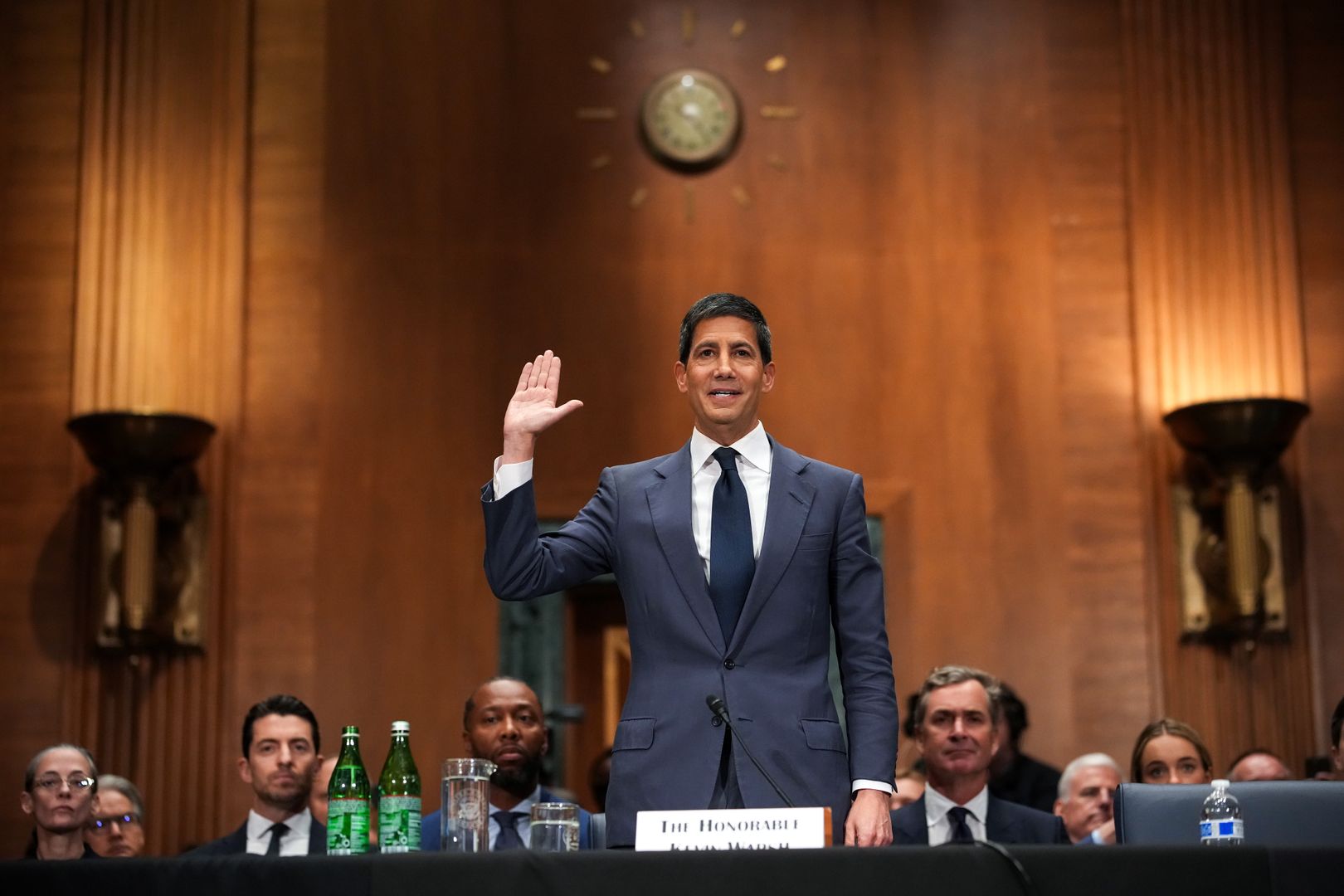
The cryptocurrency market is once again under the spotlight as Bitcoin maintains its position around the $77,000 mark. With Kevin Warsh set to be inaugurated as the Federal Reserve Chair, stakeholders are keenly observing how this leadership change may influence financial markets, particularly cryptocurrencies.
Quick Take
| Aspect | Detail |
|---|---|
| Current Bitcoin Price | $77,000 |
| New Fed Chair | Kevin Warsh |
| Market Sentiment | Cautiously optimistic |
| Key Upcoming Event | Fed policy meetings and economic reports |
Market Context
The transition at the Federal Reserve is a pivotal moment for the financial landscape, especially given the central bank's influence on interest rates, inflation, and overall economic stability. Kevin Warsh, a former Federal Reserve Governor, has extensive experience in economic policy and is expected to adopt a balanced approach toward monetary policy, aiming to stabilize the U.S. economy while considering the implications for emerging markets such as cryptocurrencies.
Bitcoin's current price of approximately $77,000 reflects a significant psychological barrier for investors. This price point is not just a numeric value but represents the collective sentiment of market participants regarding Bitcoin's long-term viability as a digital asset. The holding pattern suggests that investors are cautious, waiting to see how Warsh's policies may alter the economic landscape.
Historical Context of Bitcoin's Price Movements
Over the years, Bitcoin has shown a tendency to react to macroeconomic indicators, particularly those emanating from the Federal Reserve. For instance, during periods of low-interest rates or quantitative easing, Bitcoin has typically experienced bullish trends. Conversely, whenever there is an indication of tightening monetary policy, Bitcoin has often faced downward pressure.
Historically, a leadership change at the Fed can lead to short-term volatility in markets. The last significant transition, when Jerome Powell took over in 2018, caused initial jitters as investors recalibrated their expectations about future rate hikes. Warsh's approach will be scrutinized closely, and any signs of dovish or hawkish stances may lead to increased trading activity in Bitcoin and other cryptocurrencies.
SWOT Analysis of Bitcoin Amid Federal Reserve Transition
Strengths
- Established Market Position: Bitcoin is the leading cryptocurrency, with significant market capitalization and adoption among institutional investors.
- Inflation Hedge: With ongoing concerns about inflation, Bitcoin is increasingly viewed as a store of value.
Weaknesses
- High Volatility: Bitcoin remains subject to sharp price swings based on market sentiment and macroeconomic announcements.
- Regulatory Uncertainty: The evolving regulatory landscape remains a significant concern for investors.
Opportunities
- Increased Institutional Adoption: More institutions are looking to diversify their portfolios with Bitcoin, especially in light of economic uncertainty.
- Technological Advancements: Innovations within the blockchain space could bolster Bitcoin's utility and adoption.
Threats
- Monetary Policy Changes: A shift towards tighter monetary policy could dampen demand for speculative investments like Bitcoin.
- Competitive Assets: The rise of alternative cryptocurrencies and digital assets may dilute Bitcoin's market share over time.
Impact on Investors
As Warsh takes on his new role, investors must remain vigilant regarding the potential impacts on Bitcoin and the broader market. A more aggressive monetary tightening could lead to lowered liquidity, which may create headwinds for Bitcoin's price. Conversely, if Warsh opts for a more dovish stance, it could provide a catalyst for upward momentum.
Investors should also consider the cyclical nature of Bitcoin's market behavior. Historical patterns suggest that significant macroeconomic shifts often lead to periods of both exuberance and despair within the crypto space. Those considering entering or increasing their positions in Bitcoin should do so with a keen eye on upcoming Federal Reserve meetings and economic reports that may signal shifts in monetary policy.
Conclusion
In summary, as Bitcoin hovers at the $77,000 level, the intersection of macroeconomic policy, particularly with Kevin Warsh's leadership at the Federal Reserve, will be critical in determining the cryptocurrency's trajectory. Investors must navigate these waters carefully, weighing the potential benefits against the risks inherent in a rapidly changing economic environment. Understanding the implications of central bank policies will be crucial in making informed investment decisions in the ever-evolving landscape of digital assets.