 Go Back


Quick Take
| Metric | Value |
|---|---|
| Bitcoin Price | Increased to two-week high |
| Key Driver | US-Iran Hormuz deal |
| Market Sentiment | Positive Risk Appetite |
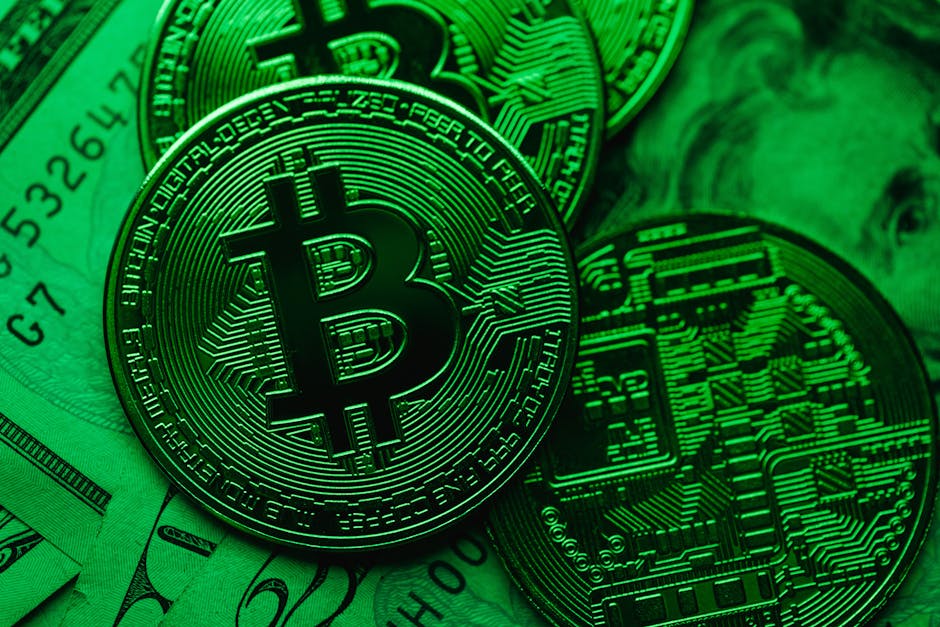
Bitcoin's recent ascent to a two-week high marks a pivotal moment reflecting the intertwined nature of geopolitical dynamics and cryptocurrency markets. This surge can largely be attributed to the recent developments surrounding the US-Iran Hormuz deal, which has significantly influenced investor sentiment and risk appetite across global markets.
The Catalyst: US-Iran Hormuz Deal
The geopolitical landscape has long been a significant influencer of financial markets. The US-Iran Hormuz deal, aiming to ease tensions in one of the world's most critical oil shipping routes, has had a ripple effect that extends beyond traditional commodities.
- Geopolitical Stability: The agreement between the US and Iran has sparked optimism regarding stability in the Middle East. This stability is essential not only for oil prices but also for broader economic outlooks. Investors historically view geopolitical calm as conducive to riskier investments, including cryptocurrencies.
- Market Volatility: In times of uncertainty, cryptocurrency often attracts investors looking for alternatives to traditional assets. The volatility that cryptocurrencies like Bitcoin can present might seem risky, but it also offers opportunities for significant gains—especially during periods of optimism.
Market Context
The relationship between macroeconomic factors and cryptocurrency prices is increasingly evident. Bitcoin's price movements frequently mirror sentiments in traditional markets, particularly during key geopolitical events. Recent data indicates:
- Increased Institutional Interest: The surge in Bitcoin's price follows a period where institutional investment in cryptocurrency has been growing. Firms are increasingly viewing digital assets as a hedge against inflation and geopolitical uncertainty.
- Decoupling from Traditional Markets: Although Bitcoin has been historically correlated with tech stocks, recent events suggest a potential decoupling, indicating that investors may be starting to treat Bitcoin as a distinct asset class less tethered to traditional market fluctuations.
Impact on Investors
Investors looking to enter or expand their positions in Bitcoin must consider several factors stemming from this recent surge:
- Short-Term vs. Long-Term Strategies: The immediate rise in Bitcoin's price may tempt short-term traders looking for quick profits. However, investors should also evaluate their long-term strategy, considering how geopolitical events may affect Bitcoin's price in the future.
- Diversification of Portfolios: With geopolitical tensions remaining a constant in global finance, diversifying portfolios by incorporating cryptocurrencies can provide a buffer against traditional market risks. Investors should weigh the potential benefits of Bitcoin as part of a diversified investment strategy.
- Monitoring Global Events: Staying informed about geopolitical developments, especially those involving major economies, is crucial for cryptocurrency investors. Events like the US-Iran Hormuz deal can have immediate and significant impacts on market dynamics.
Historical Context
Bitcoin has shown resilience through various geopolitical crises over the years. Past events such as the Brexit vote and US-China trade tensions have similarly influenced Bitcoin's price, often leading to spikes in interest and trading volumes. The current situation reinforces the notion that Bitcoin is not only a speculative asset but also a response to economic realities shaped by geopolitical circumstances.
Future Outlook
As we move forward, it is essential to recognize that Bitcoin's rise is not solely dictated by its technological advancements or adoption rates; it is also heavily influenced by external factors such as international relations and economic policies. Investors should:
- Anticipate Future Geopolitical Events: Upcoming negotiations or conflicts can significantly impact Bitcoin prices, making it crucial to stay ahead of the trend.
- Analyze Broader Economic Indicators: Monitoring global economic indicators will provide insights into trends that could affect Bitcoin's trajectory.
The interplay between Bitcoin and global macroeconomic factors is complex yet fascinating. As we witnessed with the US-Iran Hormuz deal, investors must remain vigilant and prepared to adapt their strategies in response to both market developments and geopolitical events. Understanding this dynamic will be key to navigating the evolving landscape of cryptocurrency investment.