 Go Back


Bitcoin's Institutional Growth: A New Era for Finance
Bitcoin's evolution from a niche digital currency to a legitimate asset class has been nothing short of remarkable. Recent discussions at the Bitcoin 2026 conference highlighted an important shift: the collaboration among competitors in the crypto space is driving Bitcoin's integration into mainstream finance. 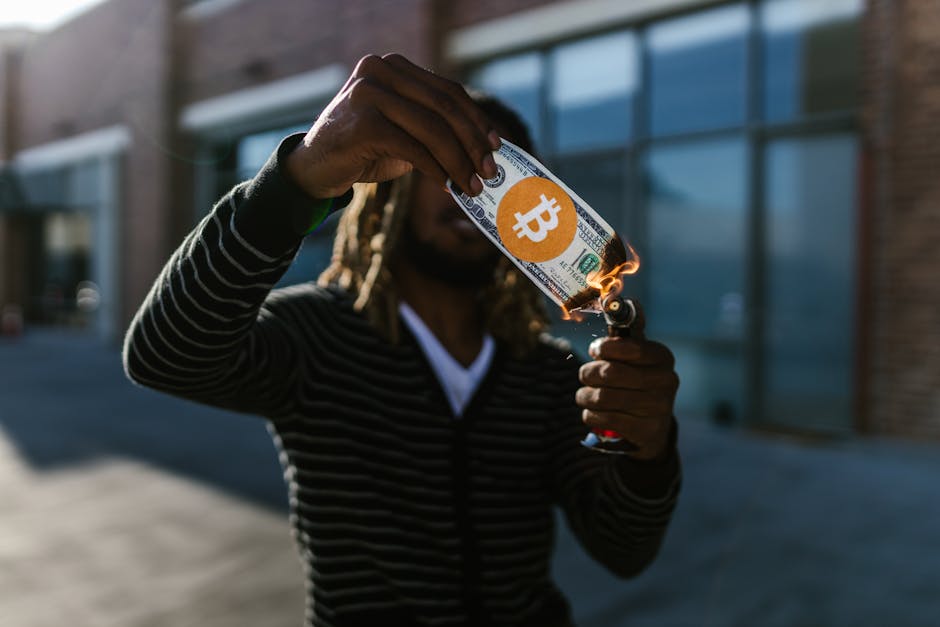
Quick Take
| Key Points | Details |
|---|---|
| Influence on Finance | Collaborations among competitors are facilitating Bitcoin's adoption. |
| Institutional Interest | Increased investments by financial institutions. |
| Tools and Infrastructure | Development of products to support Bitcoin transactions. |
| Future Outlook | Bitcoin expected to play a significant role in traditional finance. |
The Current Landscape
Bitcoin has always faced challenges in gaining acceptance within traditional finance. However, the recent gathering of industry leaders during the Bitcoin 2026 conference showcased a notable shift in dynamics. The panelists made it clear: Bitcoin is not merely an asset; it is a transformative force in the financial landscape, reshaping how institutions approach asset management and investment.
The institutional interest in Bitcoin has never been higher. Major players, including hedge funds, family offices, and even large corporations, are starting to recognize Bitcoin's potential as a store of value and an alternative to gold. This institutional growth is a crucial indicator of Bitcoin's progress as a mainstream financial asset.
Historical Context
To understand the current landscape, one must consider the journey Bitcoin has taken since its inception in 2009. Initially dismissed as a speculative bubble, Bitcoin has demonstrated resilience through various market cycles. Over the years, notable events, such as the 2017 bull run and the subsequent regulatory scrutiny, have shaped its narrative.
The transition to institutional acceptance began in earnest around 2020 when firms like MicroStrategy and Tesla made substantial Bitcoin investments. This was followed by the launch of Bitcoin futures on regulated exchanges and the introduction of Bitcoin ETFs (Exchange-Traded Funds) in various markets. These developments not only legitimized Bitcoin but also paved the way for broader institutional involvement.
Market Context
As we delve deeper into the mechanics of Bitcoin's integration into traditional finance, it's essential to highlight the role of technology and infrastructure development. Institutions are no longer just buying Bitcoin; they are also investing in the necessary tools that facilitate its use. This includes:
- Custodial Services: Companies like Coinbase and BitGo are offering secure custodial solutions for institutional investors, ensuring their assets are safe and compliant with regulations.
- Trading Platforms: The emergence of platforms specifically designed for institutional trading has increased liquidity and made Bitcoin more accessible.
- Payment Solutions: Companies are developing Bitcoin payment gateways that allow for seamless transactions, making it easier for businesses to accept Bitcoin as payment.
These advancements illustrate a collaborative spirit among competitors in the crypto space. Rather than viewing each other solely as rivals, companies are recognizing the need to work together to build a robust ecosystem that supports Bitcoin's growth.
Impact on Investors
The implications of Bitcoin's institutional growth are significant for investors. Here are some key takeaways:
- Increased Legitimacy: As more institutions participate, Bitcoin gains credibility, attracting a new wave of investors.
- Volatility Management: Institutional involvement is expected to lead to reduced volatility, as larger players typically stabilize markets through liquidity.
- Long-term Value Proposition: Institutions are viewing Bitcoin as a hedge against inflation and currency devaluation, particularly in uncertain economic times. This perspective is likely to encourage long-term holding strategies among retail investors as well.
The Road Ahead
Looking forward, the trajectory of Bitcoin within traditional finance appears promising. As more institutions innovate and collaborate in building a comprehensive infrastructure, Bitcoin may solidify its position not just as a digital asset but as an integral component of the global financial system. Financial advisors and consumers alike should remain informed about these developments, as they suggest a paradigm shift in how we view money and investments.
The collaboration among competitors underlines a shared belief in Bitcoin’s potential to revolutionize finance. It’s an exciting time to be involved in the world of cryptocurrency, as we witness the groundwork being laid for a future where Bitcoin is not just an asset, but a cornerstone of the financial system itself.