 Go Back


Bitcoin's Response to the Iran War: A Safe Haven or Risk Asset?
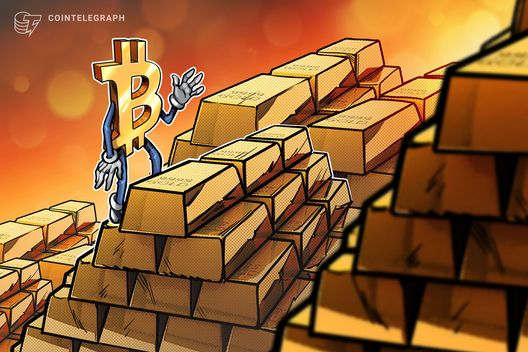
The ongoing geopolitical tensions in the Middle East, particularly the Iran war, have sparked discussions about Bitcoin's role as a potential safe haven asset. Historically viewed as a digital gold, Bitcoin's performance during crises is often scrutinized. In recent developments, CoinTelegraph reported that Bitcoin has been outperforming gold amidst the conflict in Iran, raising questions about its reliability as a safe haven asset.
Quick Take
| Aspect | Bitcoin | Gold |
|---|---|---|
| Performance During Crisis | Outperformed gold | Traditional safe haven |
| Dependence on Liquidity | High | Low |
| Investor Sentiment | Risk-on behavior | Risk-off behavior |
Market Context
Geopolitical Landscape
The Iran war has created a turbulent environment for traditional markets, causing investors to seek refuge in safe-haven assets. Gold, historically a go-to during periods of uncertainty, has been challenged by Bitcoin's increasing prominence. As various financial instruments react to geopolitical stress, Bitcoin's correlation with liquidity cycles becomes a focal point of analysis.
Historically, Bitcoin has behaved like a risk asset, primarily driven by liquidity and speculative trading rather than intrinsic value propositions. This behavior has led to debates about its classification, especially in times of war where investors typically gravitate towards low-risk assets.
Bitcoin’s Performance During the Iran War
According to reports, Bitcoin has recently demonstrated strength, rebounding and outperforming gold. This performance could be attributed to several factors:
- Increased Adoption: As more investors explore cryptocurrency as a viable investment, Bitcoin's market cap has grown, leading to heightened liquidity.
- Market Perception: The narrative surrounding Bitcoin has shifted, with many viewing it as a hedge against inflation and currency devaluation, especially in turbulent economic climates.
- Digital Gold Narrative: Although Bitcoin has been dubbed “digital gold,” its performance metrics during crises continue to question this narrative, especially when liquidity is a determining factor.
Impact on Investors
Risk Considerations
Investors must weigh the implications of Bitcoin's price movements against its liquidity dependence. The following points are crucial for understanding Bitcoin's behavior:
- Liquidity Cycles: Bitcoin's price is sensitive to liquidity conditions in the broader economy. When liquidity is abundant, Bitcoin often rallies. Conversely, in tightening conditions, it may lose traction.
- Investor Sentiment: The current geopolitical climate has led to a risk-on approach among many investors seeking higher returns, which may drive Bitcoin’s price upward. However, this sentiment could swing rapidly with changes in the geopolitical landscape.
- Diversification Strategy: Investors interested in Bitcoin should consider it as part of a diversified portfolio, balancing it with traditional assets like gold to hedge against volatility.
Long-Term Outlook
While Bitcoin's recent performance during the Iran war may suggest a shift toward being a safe haven asset, historical data indicates it remains a high-risk investment influenced by macroeconomic conditions. As the world continues to navigate geopolitical uncertainties, Bitcoin could find itself oscillating between being perceived as a risk asset and a safe haven.
Conclusion
In light of the Iran conflict and its impact on global markets, Bitcoin’s narrative continues to evolve. Its ability to outperform gold during these turbulent times showcases its growing relevance; however, its dependence on liquidity cycles makes its status as a true safe haven asset questionable. Investors should remain cautious, continuously assessing market conditions and adapting their strategies accordingly.
Tags
- Bitcoin
- Cryptocurrency
- Safe Haven Assets
- Geopolitical Risks
- Market Analysis