 Go Back


Bitcoin Rallies Post-Japan Rate Hike: XLM, INJ, UNI Surge
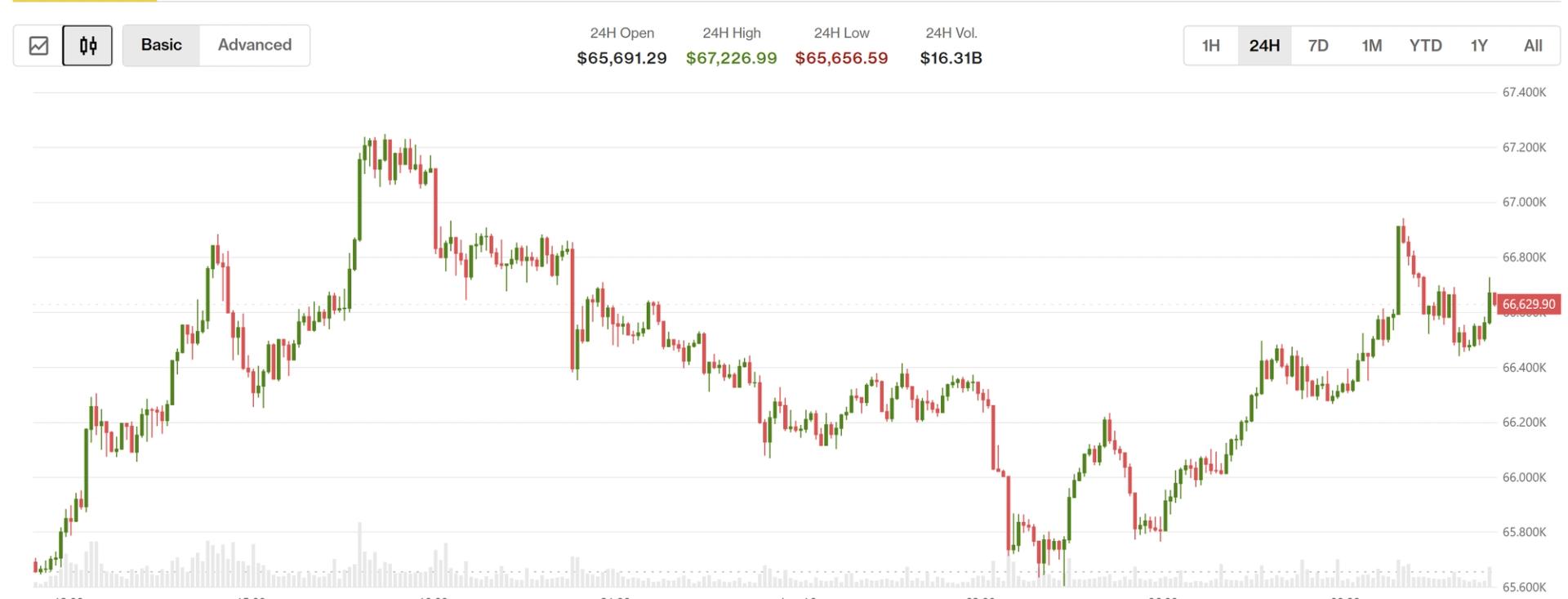
The cryptocurrency market is often influenced by macroeconomic factors, and recent developments in Japan have sparked significant movements in major cryptocurrencies. Following an unexpected interest rate increase by the Bank of Japan, Bitcoin and several prominent altcoins experienced notable gains. Notably, Stellar’s XLM, Injective’s INJ, and Uniswap’s UNI emerged as standout performers among the top 100 cryptocurrencies by market capitalization.
Quick Take
| Cryptocurrency | Performance Increase | Market Capitalization Rank |
|---|---|---|
| Bitcoin (BTC) | Significant Rally | Top 1 |
| Stellar (XLM) | Among the best | Top 20 |
| Injective (INJ) | Notable Growth | Top 50 |
| Uniswap (UNI) | Strong Performance | Top 30 |
Market Context
The recent rate hike by the Bank of Japan marks a pivotal shift in its long-standing monetary policy. For over a decade, Japan maintained ultra-low interest rates to stimulate growth in a sluggish economy. However, the global economic landscape has begun to shift, with inflationary pressures prompting central banks worldwide to reconsider their strategies.
This unexpected move by the Bank of Japan sent ripples through financial markets, including the cryptocurrency sector. As traditional investors reassess their asset allocations in response to rising rates, cryptocurrencies often present an alternative investment avenue. Bitcoin, often dubbed 'digital gold,' saw a rally as it is perceived as a hedge against economic uncertainties and inflation. The psychological effect of central banks tightening monetary policy can lead to increased demand for assets that are considered inflation-resistant.
Historical Context
Historically, Bitcoin has demonstrated a capacity to react positively to macroeconomic changes, especially those that affect fiat currencies. For instance, during previous periods of economic instability or aggressive monetary policy shifts, Bitcoin and other cryptocurrencies often saw increased investment as individuals sought to protect their wealth.
The current scenario is reminiscent of the 2020-2021 period when Bitcoin soared past previous all-time highs as countries grappled with the economic fallout of the COVID-19 pandemic. With governments flooding the market with stimulus and maintaining low-interest rates, Bitcoin's scarcity narrative gained traction. This time, however, the dynamic is different, as rising rates could reframe the prospects for both traditional and digital assets.
Impact on Investors
Investors are closely watching the developments in Japan and their potential implications for the global economy. For cryptocurrency enthusiasts, this rate increase could signal a more profound narrative: the shift from a prolonged period of easy money to a tightening phase, which may influence risk appetite across asset classes.
The immediate surge in Bitcoin's price, alongside the remarkable performances of XLM, INJ, and UNI, indicates a level of resilience in the crypto market. While Bitcoin remains a leading indicator, altcoins have also gained traction, suggesting a broader market recovery or confidence in the underlying technology and utility these assets offer.
- Diversification: Investors may begin to diversify their portfolios further into cryptocurrencies, especially if traditional asset classes face headwinds from rising rates.
- Increased Adoption: The performance of Stellar, Injective, and Uniswap in this environment might encourage broader adoption of these platforms, particularly as decentralized finance continues to grow.
- Future Volatility: While today’s rally appears promising, investors must remain cautious. Increased volatility may accompany central banks’ moves, as markets adjust to new economic realities.
Outlook
As we look ahead, the interplay between traditional financial policies and the cryptocurrency market will likely be a focal point for investors. The Bank of Japan's decision may have set a precedent that other central banks will follow, which could further impact investor sentiment around crypto assets. The ability of Bitcoin and altcoins like XLM, INJ, and UNI to maintain momentum amidst this change will be crucial for their long-term viability.
In conclusion, the fundamental shifts in monetary policy highlight the intricate relationship between global economics and cryptocurrency. As investors navigate this evolving landscape, understanding these dynamics will be key to making informed decisions in the future.