 Go Back


Understanding the Current Bitcoin Market Landscape
The cryptocurrency market is often a reflection of broader macroeconomic trends, and Bitcoin's recent price movements have sparked much debate among analysts and investors alike. According to recent insights from CoinDesk, certain metrics indicate that the February selloff to around $60,000 could be a pivotal moment for Bitcoin, potentially marking a cycle low. Let's delve deeper into these metrics and their implications for the future of Bitcoin.
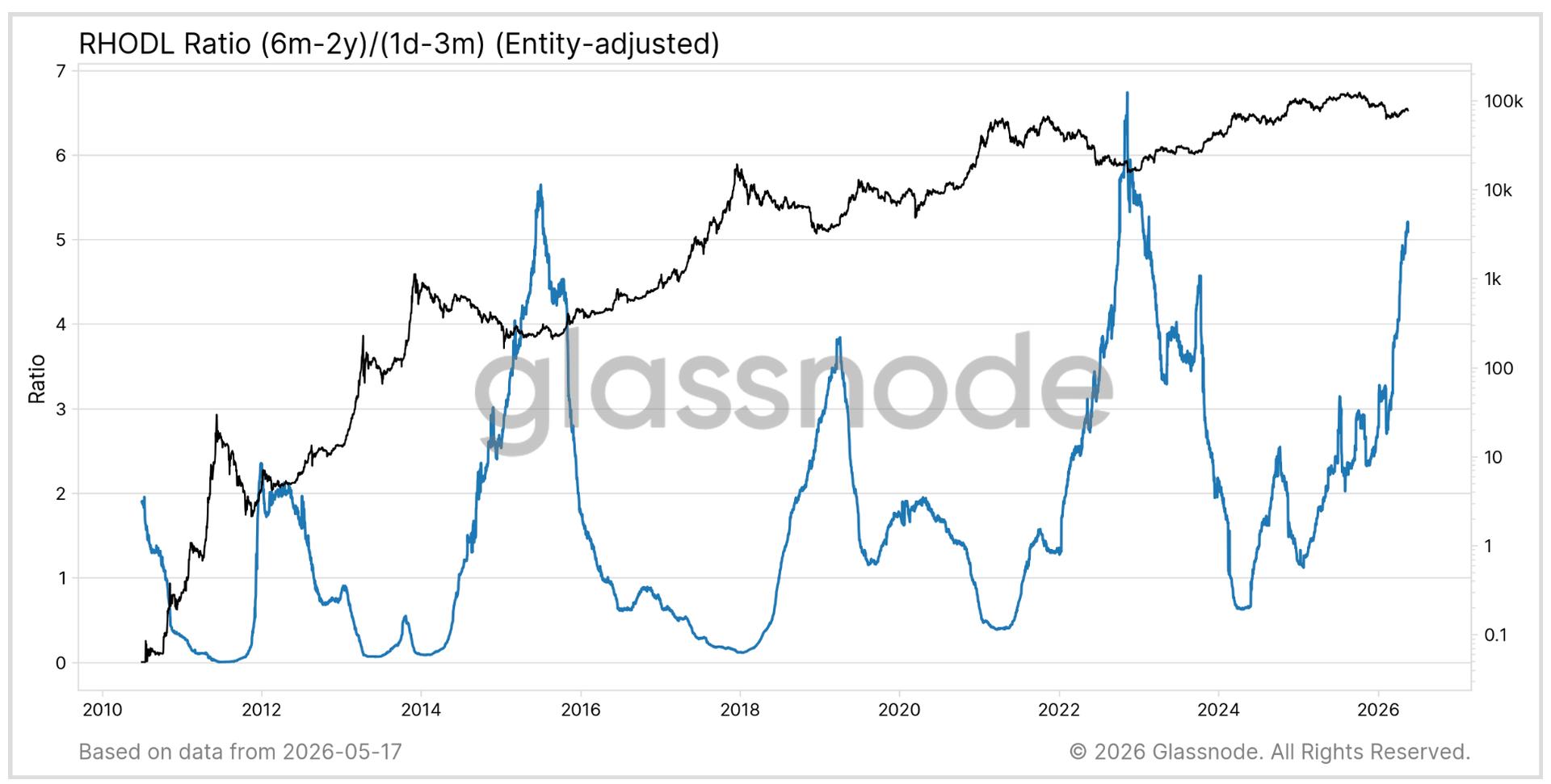
Quick Take
| Metric | Current Status | Implication |
|---|---|---|
| Realized Cap Stabilization | Stabilizing | Indicates potential price floor |
| RHODL Readings | Historically Elevated | Suggests long-term holding strength |
| Funding Rates | Deeply Negative | Signs of market capitulation |
Key Metrics Indicative of Market Sentiment
Realized Cap Stabilization: The realized market capitalization reflects the value of Bitcoin based on the price at which coins were last moved. A stabilization in this metric suggests that the market may be finding a price point where holders are unwilling to sell, indicating a potential bottom.
RHODL (Relative Holder Demand and Long-term) Readings: Elevated RHODL readings indicate that many investors are holding on to their Bitcoin for the long term rather than engaging in short-term trading. Historically, when RHODL is high, it has often preceded price recoveries as long-term holders become more confident in their positions.
Funding Rates: Negative funding rates typically imply that the market is overly bearish. When funding rates are deeply negative, it can indicate that traders are overly pessimistic, often leading to a market correction as short positions get squeezed.
Market Context
The broader economic landscape also plays a critical role in shaping investor sentiment around Bitcoin. Factors such as inflation rates, government monetary policies, and global economic performance can significantly impact cryptocurrency valuations. In recent months, central banks have maintained a hawkish stance to combat inflation, leading to higher interest rates. This environment has influenced liquidity in all asset classes, including cryptocurrencies.
Despite these pressures, Bitcoin's resilience has been noteworthy. The digital asset has historically demonstrated an ability to recover from downturns due to its limited supply and growing adoption across various sectors, including finance and technology.
The Role of Institutional Investment
Institutional adoption of Bitcoin has been a significant driver of its price dynamics. In February, as Bitcoin experienced its sharp selloff, institutional players were still holding significant positions. This suggests a strong belief in the asset's long-term value, contrasting with retail investors who may have been more reactive to market fear.
The stabilization of realized cap and high RHODL readings could be attributed to institutions reinforcing their positions during the downturn, effectively absorbing the selling pressure and setting a foundation for future price appreciation.
Impact on Investors
For retail investors, these indicators provide both caution and opportunity. Understanding that the metrics suggest a potential bottom can help in making informed decisions about entry points into the market. However, it's essential to consider the broader economic context and individual investment timelines.
Key Takeaways for Investors
- Long-Term Perspective: With RHODL readings high, those looking to invest in Bitcoin should consider a long-term approach rather than short-term speculation.
- Monitoring Economic Factors: Investors should stay informed about macroeconomic indicators that can affect Bitcoin’s price trajectory, including interest rates and inflation.
- Risk Management: Given the volatility of Bitcoin and the crypto market as a whole, implementing solid risk management strategies will be crucial.
Looking Ahead
As we move further into 2023, the indicators discussed suggest that Bitcoin could be poised for a recovery phase. While the economic climate remains uncertain, the metrics pointing to a stabilized market and long-term holder confidence indicate that the February selloff may indeed have marked a significant low in this market cycle. This presents a unique opportunity for investors willing to navigate the complexities of the crypto landscape.
In summary, while volatility is inherent in the cryptocurrency market, the current metrics paint an optimistic picture for Bitcoin's future. Investors should remain vigilant, conduct their own research, and prepare to act on emerging opportunities as the market evolves.