 Go Back


Bitcoin Miners: A New Asset in AI's Power Crunch
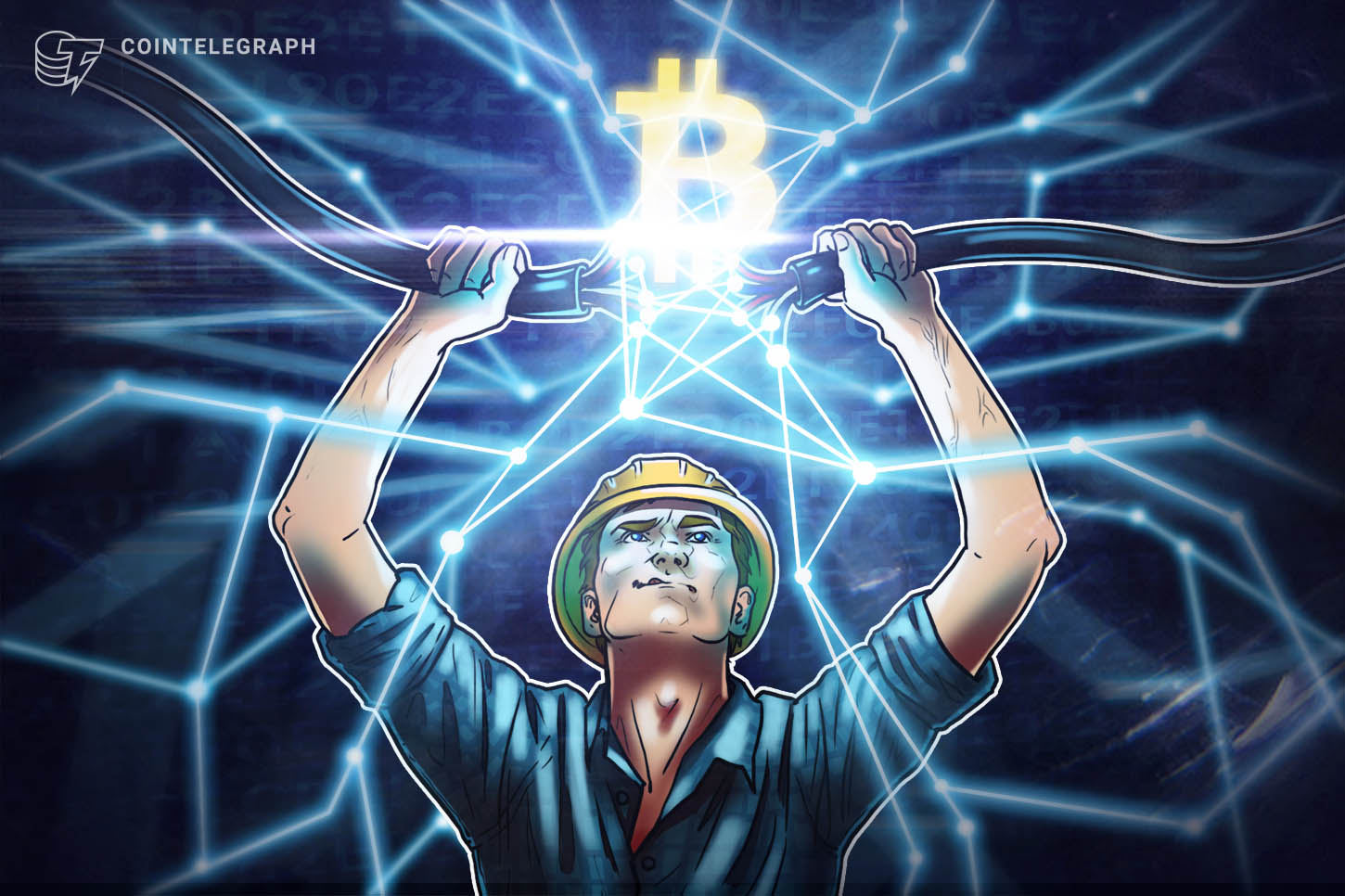
The intersection of artificial intelligence (AI) and cryptocurrency has become an intriguing topic, particularly as AI companies grapple with escalating energy demands. Bitcoin miners, who have historically been criticized for their high energy consumption, may now find themselves in a transformative role as essential power supplies for AI data centers. This shift presents both opportunities and challenges, making it important to analyze the broader macroeconomic context and the implications for investors.
Quick Take
| Aspect | Detail |
|---|---|
| Current Scenario | AI's power demands are rising, and Bitcoin miners have access to energy infrastructure. |
| Potential Opportunities | Repurposing old mining sites into data centers could provide new revenue streams for miners. |
| Challenges | Transitioning from mining operations to data center functionalities presents technical hurdles. |
| Market Impact | Increased demand for energy could lead to price volatility in both Bitcoin and AI sectors. |
| Long-term Outlook | A symbiotic relationship could evolve, with Bitcoin mining becoming integral to AI operations. |
The Current Energy Landscape
As AI technologies proliferate, the demand for energy has surged, particularly in regions with established technology infrastructure. Data centers require significant energy to power large-scale computations, from training complex machine learning algorithms to running advanced analytics. This has led to a pivotal moment where AI companies are seeking reliable energy sources.
Bitcoin mining, known for its rigorous energy demands, has historically been viewed with skepticism. However, the energy infrastructure that miners have developed over the years—including access to renewable energy sources—positions them uniquely to meet the rising power needs of AI companies.
Market Context
Historically, Bitcoin miners have faced regulatory scrutiny and public criticism over their environmental impact. The debate surrounding the sustainability of cryptocurrency mining intensified after China's crackdown on Bitcoin mining in mid-2021, which led to miners relocating to regions with more favorable energy sources, including renewable energy.
As AI's power needs have grown, regions such as Texas, which have experienced an influx of Bitcoin miners, are now re-evaluating their energy policies. The potential for Bitcoin mining operations to pivot towards supporting AI infrastructure could herald a new era for both industries. This shift not only allows miners to capitalize on existing energy access but also transforms their role from mere blockchain validators to crucial players in the AI ecosystem.
The convergence of these two sectors raises questions about energy pricing and availability. If Bitcoin miners can effectively monetize their energy resources by serving AI companies, this could lead to increased competition for power, driving up energy costs in some regions, while potentially providing lucrative contracts for miners.
The Pivot to Data Centers
Transitioning from Bitcoin mining to AI data center operations is not without its challenges. While miners possess the necessary energy resources, the infrastructure required for effective data processing is different from mining operations. Upgrading existing facilities involves significant investments in hardware and technology to support AI workloads. Moreover, operational strategies must shift from focusing on mining profitability to ensuring consistent uptime and performance for data centers.
However, the potential for miners to repurpose their infrastructure can lead to diversified revenue streams. By transforming sites into multi-functional data centers, miners can create a dual revenue model where they gain from both crypto mining and data processing. This diversification can be particularly beneficial during bearish market conditions when mining revenues may decline.
Impact on Investors
The evolving dynamics between Bitcoin miners and AI companies have important implications for investors. As AI continues to permeate various sectors, the synergy between these technologies could enhance the overall value proposition for Bitcoin mining. Investors may start to look for mining operations that are strategically positioned to leverage AI's growing energy demands.
Investors should also be aware of potential regulatory responses as these sectors converge. Increased energy consumption from both Bitcoin mining and AI could attract scrutiny from policymakers concerned about sustainability. The regulatory landscape will likely evolve, and miners that can showcase their commitment to renewable energy will be in a more advantageous position.
Future Predictions
Looking ahead, the relationship between Bitcoin miners and AI may develop into a symbiotic partnership that benefits both sectors. Miners could evolve into data infrastructure providers, creating an ecosystem where AI companies rely on them for energy and computational resources. This transition may also prompt innovation in energy-efficient mining technologies, further reducing carbon footprints.
In conclusion, while the pivot from Bitcoin mining to AI data centers presents challenges, the long-term outlook suggests a promising future for miners who can adapt. As the demand for AI continues to rise, Bitcoin miners with the right infrastructure may find themselves at the forefront of a new technological paradigm, creating a powerful nexus between cryptocurrency and artificial intelligence. Investors should keep a close eye on these developments as they could redefine energy consumption patterns and investment opportunities in both sectors.