 Go Back


Quick Take
| Aspect | Details |
|---|---|
| Current State of Mining | Profitable yet under scrutiny with debates on sustainability. |
| Future Predictions | Shift away from traditional mining due to reduced block rewards. |
| Investor Impact | Need for adaptation and investment in new mining technologies. |
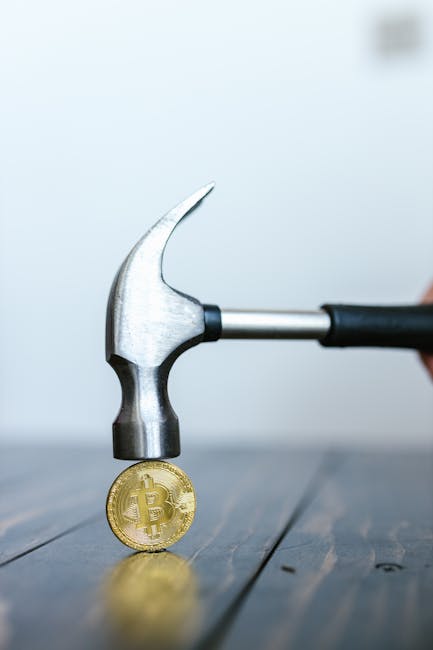
The cryptocurrency landscape is ever-changing, and one of the most profound transformations is poised to occur in Bitcoin mining by 2036. The concept that "Bitcoin mining is dead" may seem extreme to many today, yet it's essential to understand the underlying dynamics driving this potential shift. With dwindling coinbase subsidies and evolving technological advancements, miners will need to adapt to ensure their survival—both as individual actors and as an industry at large.
The Good: Opportunities in Transition
The future of Bitcoin mining holds both challenges and opportunities. Despite the potential reduction in block rewards, miners can innovate and redefine profitability through several avenues:
Renewable Energy Innovations: As the world increasingly shifts to renewable energy sources, Bitcoin miners can capitalize on this trend. Utilizing wind, solar, and hydroelectric power not only reduces operational costs but can also improve the public perception of Bitcoin mining as a sustainable activity.
Technological Advances: Developments in mining hardware and software may lead to improved efficiency, allowing miners to operate profitably despite lower rewards. For instance, the introduction of more powerful ASIC miners (Application-Specific Integrated Circuits) can significantly enhance hashing power while consuming less energy.
New Revenue Streams: Miners can explore ancillary services like facilitating transactions and providing other blockchain services. By diversifying their offerings, they can create alternative sources of income that do not solely rely on block rewards.
The Bad: The Challenges Ahead
While the future may be ripe with potential, significant hurdles remain:
Declining Block Rewards: The halving events that occur roughly every four years will continue to decrease the coinbase reward. By 2036, it’s projected that miners will earn less than half of what they currently receive for validating transactions, leading to more competitive conditions among miners.
Regulatory Pressures: Governments across the globe are increasingly scrutinizing cryptocurrency mining, often citing environmental concerns. Stricter regulations could affect miners' operations and profitability, particularly in regions where energy consumption is closely monitored.
Market Saturation: As mining becomes more competitive, smaller, less efficient miners may struggle to stay afloat, leading to market consolidation where only the largest players survive. This could stifle innovation and limit the diversity of voices within the mining community.
The Ugly: Long-Term Implications for Investors
Investors must consider how these mining dynamics impact their portfolios and the overall crypto ecosystem. The gradual decline of traditional mining could lead to:
- Increased Centralization: If only a few players can sustain their operations, Bitcoin's decentralized ethos may be jeopardized. This could lead to concerns regarding control over the network and its governance.
- Fluctuating Prices: As mining becomes more challenging, the volatility of Bitcoin prices may increase. Investors should prepare for potential price swings as the market grapples with the implications of these changes.
- Shift in Investment Strategies: Investors may need to pivot to supporting projects focusing on innovative technologies or renewable energy solutions, as these could redefine the mining landscape.
Market Context
Examining the macroeconomic context provides a clearer understanding of Bitcoin mining's future. Global concerns surrounding climate change and energy consumption continue to influence public sentiment around cryptocurrency mining. Major players in the industry are already responding by investing in green technologies, which may prove crucial for sustainability.
Additionally, with the rise of decentralized finance (DeFi) and NFTs, the demand for Bitcoin could remain high, mitigating some adverse effects of reduced mining rewards. Also, as central banks worldwide explore digital currencies, Bitcoin may reinforce its position as a store of value, enticing more institutional investors.
Impact on Investors
Investors must remain vigilant and adaptable as the crypto landscape evolves. Here are key takeaways to consider moving forward:
- Diversification: Investors should consider diversifying their portfolios beyond Bitcoin to include cryptocurrencies and projects that demonstrate adaptability in the changing mining environment.
- Long-Term Strategies: Emphasizing long-term investment strategies that account for the potential fluctuations in profitability and value can provide a buffer against sudden market shifts.
- Stay Educated: Keeping abreast of technological advancements and regulatory developments will be crucial for making informed investment decisions.
As we approach 2036, the phrase "Bitcoin mining is dead" may not be entirely accurate; rather, it suggests a metamorphosis of the mining industry. Embracing technological and operational changes will be the key to survival and prosperity in the years to come. Investors who recognize these trends early may find themselves well-positioned to reap the rewards of an evolving market.