 Go Back

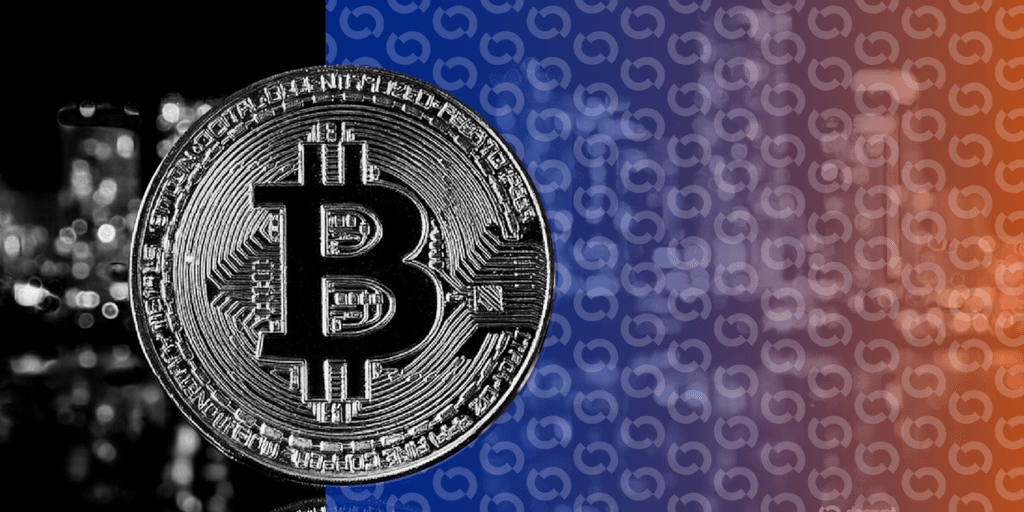
Is Bitcoin Nearing the Bottom? Analyzing Demand Trends
In recent discussions surrounding Bitcoin's performance, analysts have noted that the bear market for the leading cryptocurrency might be drawing to a close. However, there’s a significant caveat: both individual and institutional investors have shown a lack of enthusiasm to capitalize on potential bargains. This blog post will explore the implications of these trends through a comprehensive SWOT analysis and provide insights into the current macroeconomic context surrounding Bitcoin.
Quick Take
| Metric | Current Status | Implication |
|---|---|---|
| Bitcoin Price | Fluctuating around $X | Uncertainty remains |
| Investor Demand | Decreasing | Potential for continued stagnation |
| Market Sentiment | Cautiously pessimistic | Waiting for clearer signals |
| Macro Environment | Inflationary pressures | Risk aversion persists |
Market Context
The cryptocurrency market, particularly Bitcoin, operates within a broader economic framework that is heavily influenced by macroeconomic factors. As central banks globally tighten monetary policies to combat inflation, the liquidity that once fueled speculative investments has diminished. This scenario has created a challenging environment for Bitcoin, which often correlates with risk assets.
Current Economic Landscape
High inflation rates are forcing investors to reassess their portfolios. Traditional assets like stocks and bonds are under pressure, leading to a flight-to-safety mentality. Bitcoin, often viewed as a hedge against inflation, has not experienced the same level of demand expected in previous inflationary cycles, suggesting a shift in investor sentiment.
SWOT Analysis
Strengths
- Network Security: Bitcoin's blockchain remains highly secure, making it the most trusted cryptocurrency.
- Market Dominance: As the first cryptocurrency, Bitcoin holds a significant share of the market, influencing the overall crypto landscape.
Weaknesses
- Price Volatility: The digital asset's notorious price swings can deter long-term investors seeking stability.
- Declining Demand: The current lack of purchasing interest from both individuals and institutions raises concerns about future price support.
Opportunities
- Institutional Adoption: If economic conditions change, as they often do, renewed institutional interest could reignite demand.
- Technological Advancements: Innovations such as the Lightning Network could enhance Bitcoin’s usability, potentially attracting new users.
Threats
- Regulatory Pressures: Increasing scrutiny and potential regulations from governments worldwide could negatively impact Bitcoin's appeal.
- Market Sentiment: Continued bearish sentiment may lead to further price declines, perpetuating a cycle of fear and uncertainty.
Impact on Investors
For investors looking to navigate the current landscape, understanding the dynamics at play is crucial. The decreasing demand for Bitcoin could signal a prolonged bear market, with potential implications for price stabilization and future growth prospects.
Considerations for Investors:
- Risk Assessment: Investors should conduct thorough risk assessments before entering or expanding their positions in Bitcoin.
- Market Timing: Identifying the right entry points is essential, as prices may continue to fluctuate based on macroeconomic updates.
- Diversification: Allocating investments across various assets could mitigate risks associated with Bitcoin's volatility.
Conclusion
As Bitcoin approaches what some analysts believe to be a bottom in its bear market, the lack of demand from both individuals and institutions raises critical questions about the future of the cryptocurrency. While its strengths remain intact, vulnerabilities exposed by current market conditions and investor sentiment could challenge its recovery. For those considering an investment, the current climate requires a cautious approach, monitoring both market indicators and macroeconomic developments.
In the world of cryptocurrencies, adaptability and informed decision-making are more important than ever.