 Go Back


Bitcoin's Plunge: Understanding Market Dynamics and Future Predictions
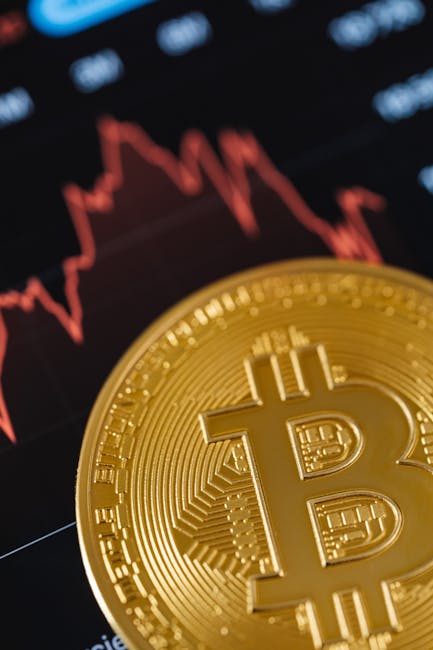
Bitcoin has recently fallen below the $59,000 mark, igniting concerns among investors and analysts alike. The prevailing sentiment among bears suggests a targeted bottom between $10,000 and $20,000. This dramatic shift not only reflects the volatile nature of cryptocurrency markets but also highlights broader global macroeconomic factors that could continue to influence Bitcoin’s price trajectory.
Quick Take
| Aspect | Current Status | Future Outlook |
|---|---|---|
| Current Bitcoin Price | Below $59,000 | Potential decline to $10,000-$20,000 |
| Market Sentiment | Bearish | Uncertain, could stabilize or decline further |
| Global Economic Indicators | Inflation concerns, tightening monetary policy | Ongoing volatility anticipated |
| Investor Strategies | Risk-averse, seeking lower entry points | Long-term bullish vs. short-term bearish |
Market Context
Understanding the recent decline of Bitcoin requires examining both its market dynamics and the larger economic landscape. The cryptocurrency market is inherently volatile, often moving in reaction to news and investor sentiment rather than traditional economic indicators. As of now, several macroeconomic factors are at play:
Inflation and Interest Rates
The global economy is grappling with high inflation rates, prompting central banks to consider tightening monetary policy. As interest rates rise, speculative investments—like cryptocurrencies—tend to suffer as capital flows back to safer assets. Bitcoin, often viewed as a hedge against inflation, is currently caught in a paradox where rising prices for goods conflict with investors' risk appetites.
Regulatory Environment
Additionally, regulatory scrutiny is intensifying across the globe. Governments are increasingly looking to impose stricter regulations on cryptocurrencies, which can create uncertainty and foster negative sentiment among investors. This atmosphere of uncertainty tends to exacerbate market volatility, as seen in Bitcoin's recent price movements.
SWOT Analysis of Bitcoin's Current Position
To further illuminate Bitcoin's current landscape, a SWOT analysis may provide clarity:
Strengths
- Brand Recognition: Bitcoin remains the most recognized cryptocurrency.
- First Mover Advantage: As the first cryptocurrency, it enjoys a significant lead over alternatives.
Weaknesses
- High Volatility: Bitcoin's price swings can be extreme, leading to uncertainty.
- Perception Issues: As Bitcoin's price falls, its perception as a safe investment diminishes.
Opportunities
- Institutional Adoption: Continued interest from institutional investors may stabilize the market.
- Technological Advancements: Innovations like the Lightning Network could enhance scalability and usability.
Threats
- Regulatory Pressure: Increased regulation can deter investment and stifle innovation.
- Market Manipulation: Whale activities can lead to significant price swings, affecting retail investors disproportionately.
Impact on Investors
The recent decline and bearish outlook are causing many investors to reassess their strategies. Here are a few considerations for different types of investors:
Long-Term Investors
For those who believe in Bitcoin's long-term potential, the current prices may present a buying opportunity. However, caution is warranted as market conditions remain uncertain. Investors should consider dollar-cost averaging as a strategy to mitigate risk during this volatile period.
Short-Term Traders
For short-term traders, the bearish sentiment signifies a potential strategy shift. Traders might consider shorting Bitcoin or hedging their positions with derivatives. However, the inherent risks of market timing should not be overlooked, especially in such a volatile environment.
Risk-Averse Investors
Risk-averse investors may choose to stay on the sidelines until clearer signals emerge. Allocating funds into more stable assets, while monitoring Bitcoin for potential entry points, can be a prudent approach.
Conclusion
Bitcoin's recent plunge below $59,000 amidst bearish predictions would ignite any crypto enthusiast's interest and concern. The interplay between macroeconomic factors and market sentiments continues to shape the landscape for Bitcoin and other cryptocurrencies. Investors must stay informed and agile as they navigate this complex environment, balancing risk and opportunity in their investment decisions. The journey of Bitcoin, from a speculative asset to a potential financial cornerstone, is far from over, but it certainly faces its share of challenges in the near future.