 Go Back


Bitcoin's Price Dynamics Amid Rising Oil Prices: What to Expect
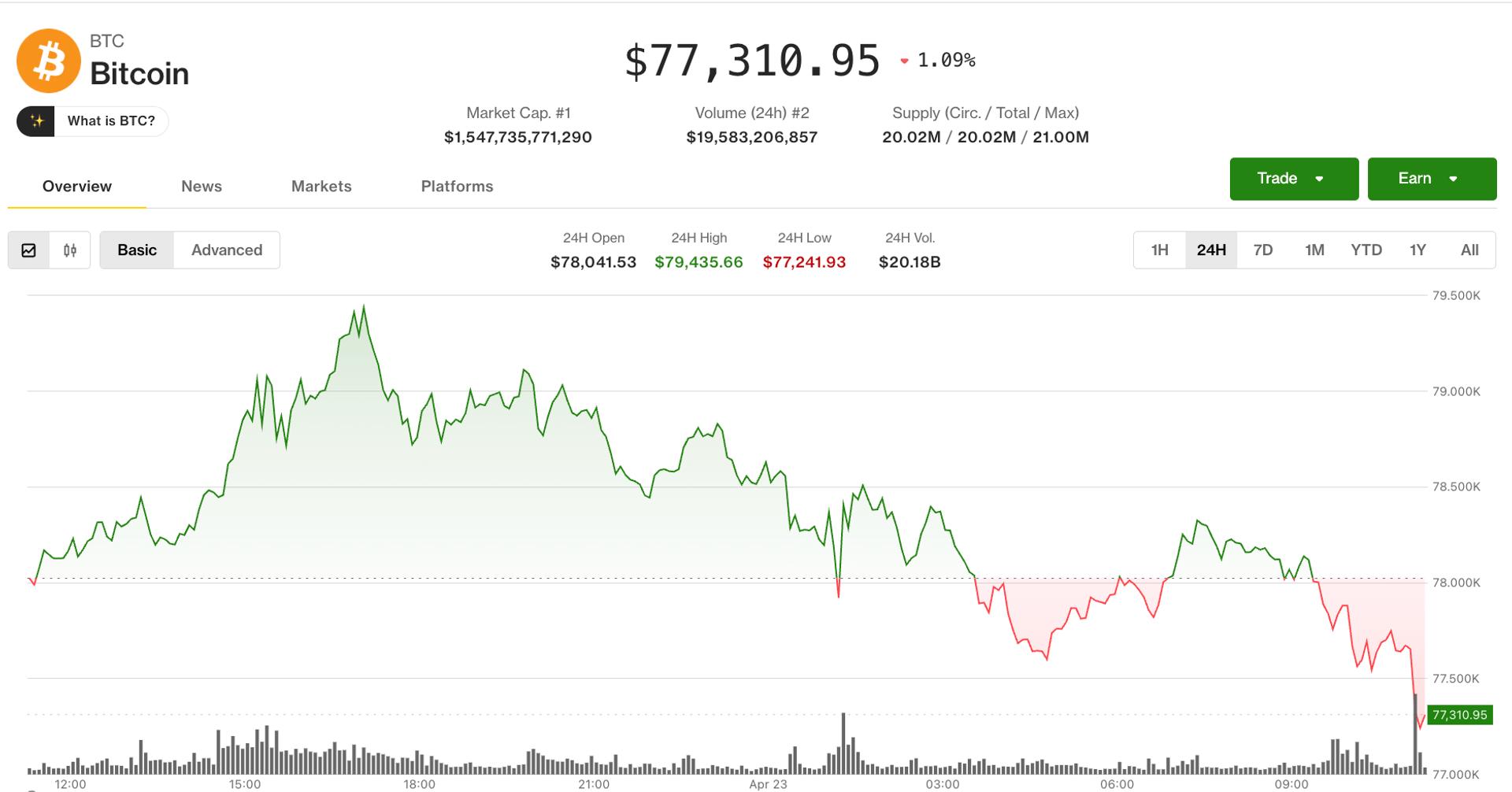
Bitcoin has experienced a notable dip from its recent near $80,000 high, spurred by the surge in oil prices and an overall bearish sentiment among traders. This situation is a critical point for investors and market analysts alike as it raises questions about the future direction of Bitcoin and its relationship with macroeconomic factors.
Quick Take
| Key Insights | Details |
|---|---|
| Recent Bitcoin Price | Near $80,000 |
| Current Market Sentiment | Bearish |
| Primary Influence | Rising oil prices |
| Long-term Outlook | Potential for short squeezes |
The Good: Bitcoin's Resilience and Potential for Recovery
Bitcoin has shown remarkable resilience over the years, consistently bouncing back from market corrections. Despite the recent dip, the cryptocurrency remains a preferred hedge against inflation and economic uncertainty. As traditional assets like stocks react negatively to rising oil prices, Bitcoin's unique attributes could facilitate a recovery.
Historical Context
Historically, Bitcoin's price movements have often been inversely correlated with traditional markets, particularly during times of economic stress. For instance, when oil prices spike, often due to geopolitical tensions or supply chain disruptions, traditional risk assets typically see a downturn. In such scenarios, investors may turn towards Bitcoin as a safe haven, propelling its price upward.
Recent Signals
The recent price action suggests that traders are still cautiously optimistic about Bitcoin's long-term potential despite the bearish sentiment. The breakout signals hint that if a short squeeze occurs, Bitcoin could rally significantly. Short squeezes happen when investors betting against an asset are forced to buy back shares to cover their positions, leading to accelerated price increases.
The Bad: The Weight of External Factors
While Bitcoin's fundamentals remain strong, external factors like rising oil prices can exert substantial pressure on the cryptocurrency market.
The Inflationary Spiral
Rising oil prices contribute to higher inflation rates, which can lead to increased volatility in financial markets. Investors often react by reallocating their portfolios toward assets they perceive as safer during turbulent times. This behavior can negatively impact Bitcoin, as it is still viewed by many as a speculative investment rather than a stable asset.
Market Sentiment and Trading Volume
The current bearish sentiment indicates that many traders are cautious. Low trading volumes often accompany bearish markets, which can exacerbate price declines. If Bitcoin struggles to attract significant volume, any upward movements could be short-lived, highlighting the ongoing uncertainty in the market.
The Ugly: Risk of Prolonged Bear Market
If rising oil prices persist, we may find ourselves in a prolonged bear market not just for Bitcoin, but for risk assets in general.
Economic Repercussions
Higher oil prices can increase operating costs for businesses, potentially leading to reduced profit margins and ultimately impacting stock prices. This broader economic slowdown could have a cascading effect on Bitcoin, as lower investor confidence drives demand down across various asset classes.
Regulatory Scrutiny
The intersection between rising oil prices and cryptocurrency could also lead to heightened scrutiny from regulators. Governments may respond to inflationary pressures with tighter monetary policies, which could negatively affect Bitcoin's appeal as an alternative investment. The potential for increased regulation around cryptocurrencies could add another layer of risk for investors, exacerbating market volatility.
Market Context
The relationship between Bitcoin and oil prices is emblematic of the broader macroeconomic landscape. As oil prices surge, analysts often predict a tightening of fiscal policies and a potential slowdown in economic growth. Bitcoin's performance can be closely tied to these economic indicators, as it serves as both a risk asset and a hedge against inflation. Understanding these dynamics is crucial for investors looking to navigate the complex interplay between cryptocurrencies and traditional markets.
Impact on Investors
As Bitcoin continues to react to external pressures like rising oil prices, investors must adopt a strategic approach in managing their portfolios.
Diversification is Key
Investors might consider diversifying their holdings across various asset classes to mitigate risks associated with market volatility. Including traditional assets like commodities or bonds can help balance the potential downsides of holding Bitcoin.
Staying Informed
Staying informed about global economic trends is crucial. As oil prices fluctuate, understanding the broader implications on the economy and financial markets can provide valuable insights for investment strategies.
In the end, while the current market dynamics present challenges, they also offer opportunities for astute investors. The interplay between Bitcoin and traditional risk assets like oil will continue to shape the cryptocurrency landscape, making it essential to remain vigilant and informed.