 Go Back


Quick Take
| Aspect | Details |
|---|---|
| Current Price | Fluctuating around $30,000 |
| Market Sentiment | Cautious optimism after recent dips |
| Key Economic Factors | Inflation rates, interest rates |
| Historical Trends | Previous cycles show volatility |
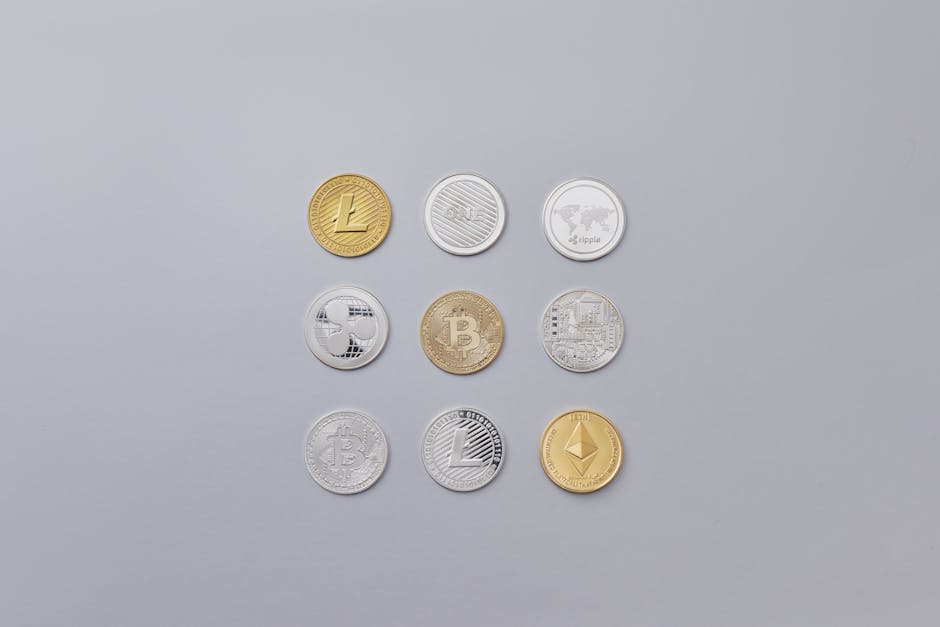
Bitcoin's Current Standing
As Bitcoin continues its journey through the crypto landscape, its price dynamics are influenced by a variety of factors, both intrinsic and extrinsic. Currently, Bitcoin trades around $30,000, a figure that has marked significant resistance and support over the past months. However, as the market gears up for what many analysts believe could be a pivotal market cycle, it is essential to dissect the potential for Bitcoin to gain momentum, especially in light of global macroeconomic conditions.
What Are the Key Drivers for Bitcoin's Price Movement?
Bitcoin's price is subject to various influences that can either bolster or hinder its growth trajectory. Here are the primary drivers:
- Macroeconomic Factors: Global economic conditions, including inflation rates and interest rates set by central banks, play a significant role in Bitcoin's valuation. Recent trends indicate a focus on managing inflation, which can lead to greater adoption of cryptocurrencies as a hedge against fiat currency devaluation.
- Regulatory Landscape: As nations around the world grapple with how to regulate cryptocurrencies, clarity and advancements in legal frameworks can lend legitimacy to Bitcoin, leading to increased investment. Regulatory progress in major markets such as the U.S. and EU can create a favorable environment for Bitcoin to flourish.
- Technological Developments: Innovations in Bitcoin's underlying technology, particularly regarding scalability and transaction efficiency, can attract new users and investors. The ongoing development of the Bitcoin Lightning Network is a prime example of this potential for improvement.
- Market Sentiment: Investor sentiment, often influenced by social media trends and news cycles, can cause significant price fluctuations in Bitcoin. As we have witnessed in past cycles, investor enthusiasm can quickly shift from fear to greed, impacting demand and price.
Market Context
Historically, Bitcoin has demonstrated cyclical price patterns, often correlating with broader economic conditions and market sentiment. The previous bull runs in 2013, 2017, and 2021 were characterized by massive rallies, often followed by sharp corrections. As we approach the next phase, understanding these cycles becomes crucial for investors.
During these bullish phases, Bitcoin's price often achieves exponential growth, driven by increased adoption and investment from both retail and institutional investors. For instance, the 2020-2021 bull run saw Bitcoin soar from around $7,000 in September 2020 to nearly $64,000 in April 2021, largely fueled by institutional interest and the growing narrative of Bitcoin as digital gold.
Impact on Investors
For investors, the outlook for Bitcoin is a mix of optimism and caution. Here are some considerations:
- Risk Management: Given Bitcoin's volatility, prudent investors should consider risk management strategies, including setting stop-loss orders and diversifying their portfolios.
- Long-Term vs. Short-Term: Investors must determine whether they are looking for short-term gains or long-term holding. Historical trends suggest that those who hold Bitcoin over longer periods tend to see more favorable results despite short-term fluctuations.
- Market Timing: Successfully timing the market remains a challenge. Investors should remain informed about economic indicators and adjust their strategies accordingly.
Future Predictions: What Lies Ahead?
Predicting Bitcoin's future price trajectory is inherently uncertain, but several analysts suggest that if positive macroeconomic conditions persist, Bitcoin may see renewed interest from institutional investors, particularly as inflation remains a concern for many. Additionally, the increasing proliferation of Bitcoin ETFs (Exchange-Traded Funds) could enhance accessibility for retail investors, potentially driving demand.
Moreover, Bitcoin's halving event, expected in 2024, could significantly impact its price. Historically, halving events have preceded substantial price increases, which could contribute to building momentum heading into the next market cycle.
Final Thoughts
As Bitcoin navigates through a complex interplay of global economic factors, regulatory developments, and market sentiment, its potential for gaining momentum in the next market cycle remains a focal point for both investors and analysts. Understanding these influences will be vital for making informed decisions in the ever-evolving cryptocurrency landscape.
Tags
- Bitcoin
- Cryptocurrency
- Market Analysis
- Investment Strategy
- Regulatory Trends