 Go Back

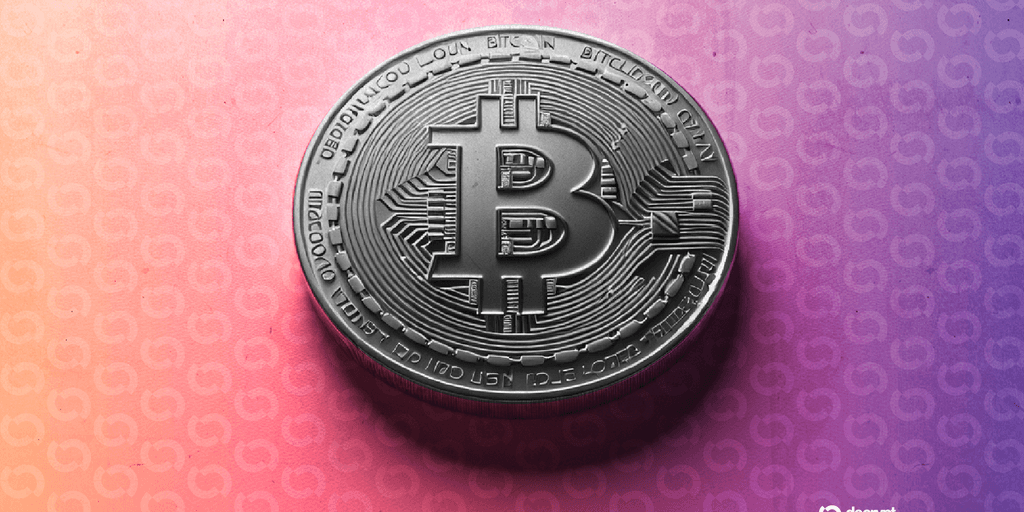
Bitcoin Pushes Higher Amid Global Macroeconomic Challenges
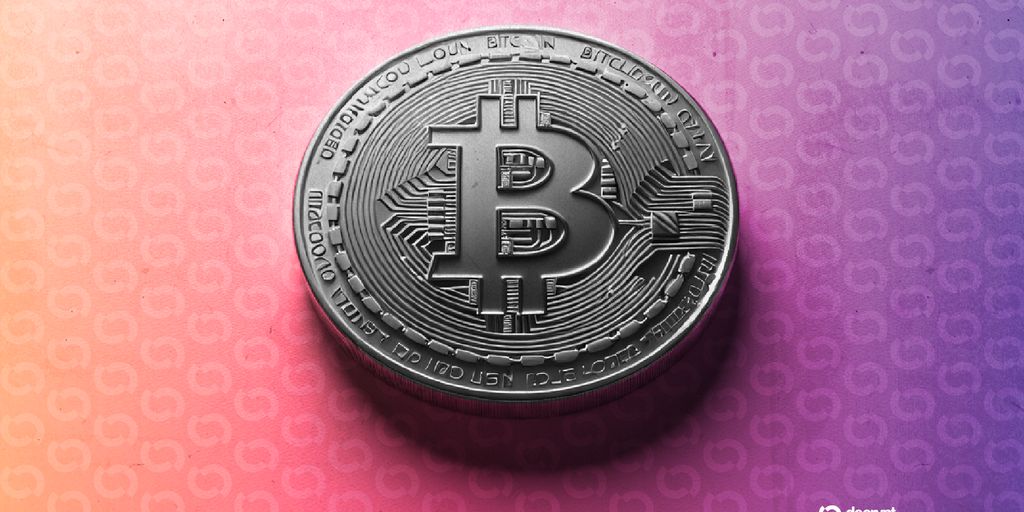
As Bitcoin continues to gain momentum, it's doing so in the face of significant macroeconomic headwinds and geopolitical tensions. This divergence from traditional markets, particularly equities and gold, raises important questions about Bitcoin's role in a portfolio and its potential to act as a hedge against broader economic instability.
Quick Take
| Factor | Current Status |
|---|---|
| Bitcoin Price | Increasing |
| Equities Performance | Under Pressure |
| Gold Price | Declining |
| Geopolitical Tensions | Heightened |
| Market Sentiment | Receptive to Risk |
Market Context
To understand the current price action of Bitcoin, it's crucial to consider the broader economic landscape. Traditionally, Bitcoin has shown a strong correlation with equities—moving in tandem during bull markets and experiencing sell-offs during downturns. However, this correlation appears to be shifting. As geopolitical tensions rise and the macroeconomic outlook becomes murky, Bitcoin seems to be carving out its identity as a potential safe haven asset.
Recent events, including ongoing conflicts and economic sanctions, have contributed to a sense of uncertainty in traditional markets. Investors are increasingly looking for alternative assets that can hedge against inflation, currency devaluation, and geopolitical risks. This shift in investor sentiment is playing a critical role in Bitcoin's price performance.
Bitcoin vs. Traditional Assets
Historically, gold has been viewed as a safe haven during economic turmoil. However, with recent trends, Bitcoin is presenting itself as a formidable alternative. While gold prices have been declining, Bitcoin has managed to push higher, suggesting a growing appetite for digital assets over traditional commodities.
This transition can be attributed to several factors:
- Liquidity and Accessibility: Bitcoin is easily accessible for retail investors through exchanges and wallets, allowing for quick entry and exit strategies.
- Decentralization: Unlike fiat currencies or gold, Bitcoin operates on a decentralized network, free from government manipulation or intervention, providing peace of mind to investors.
- Scarcity: With a capped supply of 21 million coins, Bitcoin's scarcity sets it apart from traditional assets that can be mined or printed at will.
Impact on Investors
For investors, the current market dynamics present both opportunities and risks. The rising price of Bitcoin amidst traditional market decline may encourage more capital inflows into the crypto space. Investors may perceive Bitcoin as a viable alternative to hedge against inflation and market downturns. However, this shift also comes with caveats.
- Volatility: Bitcoin has a history of price volatility, which can be challenging for investors seeking stability. While the current trend is bullish, sudden market corrections can lead to significant losses.
- Regulatory Concerns: As institutional participation increases, so does scrutiny from regulatory bodies. Investors must stay informed about potential regulatory changes that could impact market dynamics.
- Market Sentiment: The crypto market is heavily influenced by investor sentiment and news cycles. Market psychology plays a critical role in price movements, making it essential for investors to remain vigilant.
Future Outlook
Looking ahead, the current macroeconomic conditions and geopolitical landscape will likely continue to influence Bitcoin’s price trajectory. Should traditional markets struggle, Bitcoin could solidify its status as a go-to asset for risk-averse investors. As more institutional players enter the crypto space, the potential for increased price stability and mainstream adoption could redefine Bitcoin’s market behavior.
However, it’s crucial for investors to approach this bullish sentiment with a contrarian mindset—an awareness of potential pitfalls and the importance of diversification. While Bitcoin may offer promising opportunities, the ever-evolving market landscape necessitates a cautious and informed strategy.
In conclusion, Bitcoin's recent price surge amidst global macroeconomic challenges marks a significant moment in its evolution as an asset class. By understanding the underlying factors at play, investors can better navigate this complex landscape and position themselves for long-term success in the crypto market.